
Is Wax Play Safe? 7 Myths Debunked by a Sexologist
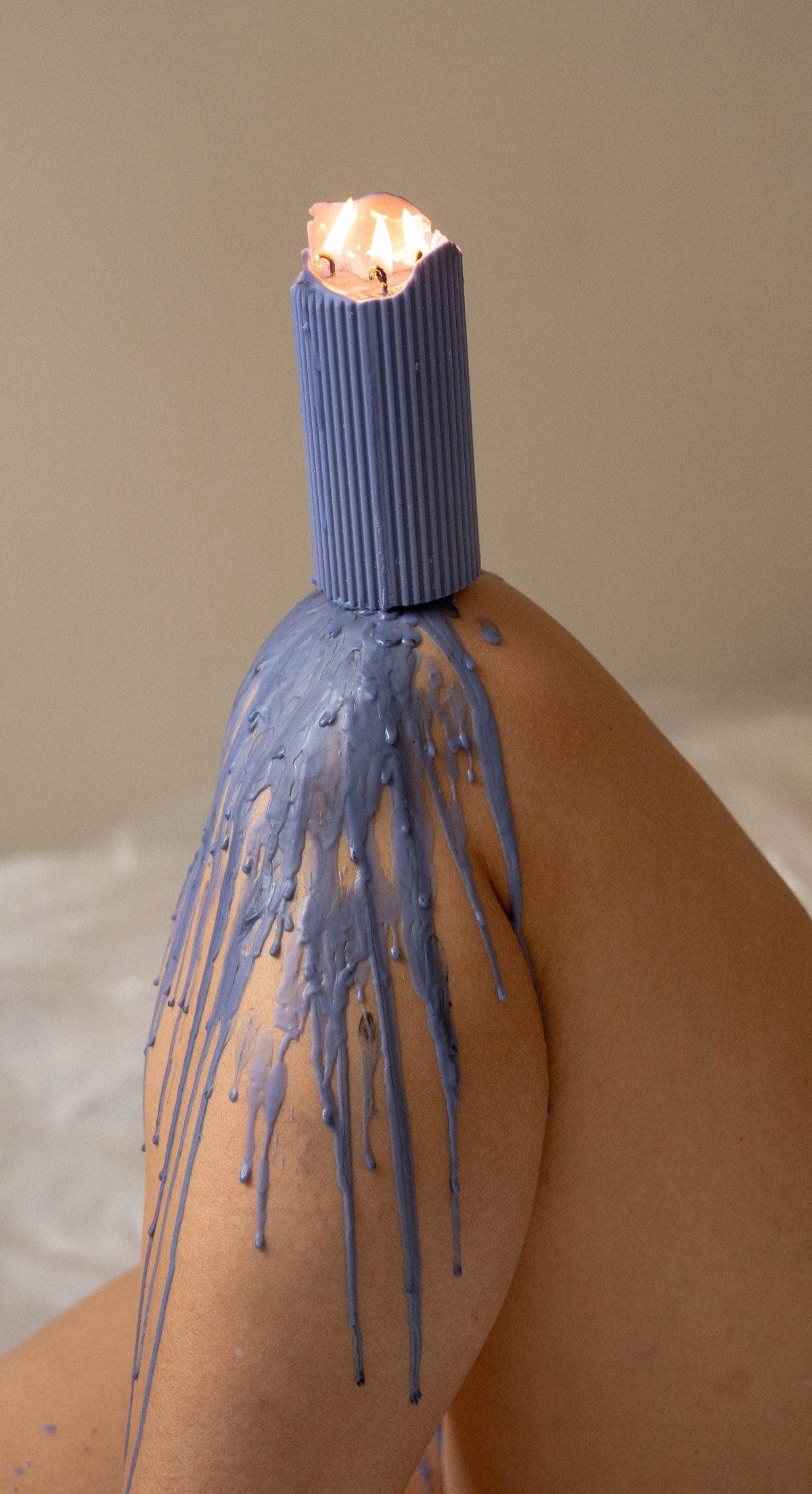
Is wax play safe? Yes, wax play can be safe when you use a body-safe candle, start with a controlled temperature, and follow a few basic rules around distance, body areas, and communication. Most of the horror stories people imagine come from one of two things: household candles that were never meant for skin, or people trying to skip the learning curve.
That is why the topic gets so distorted online. One person says it is harmless. Another says it is dangerous by definition. Both are oversimplifying. Wax play is not automatically safe just because it is trendy, and it is not automatically risky just because heat is involved. It is a practice with variables. When those variables are controlled, the experience can be gentle, sensual, and predictable. When they are ignored, the margin for error gets smaller fast.
That distinction matters for searchers because most people asking “is wax play safe” are not looking for philosophy. They are trying to decide whether this belongs in the category of “reasonable to try with preparation” or “too risky to bother with.” The honest answer is the first one, but only if you respect the variables. In other words, wax play safety is not magic and it is not luck. It is a product of preparation, temperature choice, and restraint.
Seen that way, the safest approach is not to ask for one universal answer, but to ask better questions: what candle is being used, what temperature range is involved, what body areas are planned, and how experienced are the people involved? The more specific the question becomes, the more useful the answer becomes. Safe wax play lives in those details.
That alone should make the topic feel less intimidating. When safety becomes specific, it also becomes manageable.
As a sexologist and the maker behind SenseMe candles, Olga sees the same objections appear again and again: any candle will do, wax always burns, only extreme BDSM people try it, removal is messy, it must be bad for skin, aftercare is optional, and the whole thing sounds unhygienic. Those myths keep curious beginners from trying something that can actually be very structured and low-risk when approached correctly.
This article answers the objection directly. If you want the short version, here it is: safe wax play starts with a known temperature, a body-safe formula, a beginner mindset, and clear communication. If you want the full framework after reading the myths, keep our beginner's guide and complete safety guide open as companion resources.
Myth 1: “Any Candle Works”
This is the most expensive myth in wax play because it turns a preventable mistake into a safety problem. Not every candle belongs on skin. Decorative candles are built for scent throw, ambience, and room use. Body-safe wax play candles are built for controlled skin contact.
What makes the difference is not only whether a product mentions soy or paraffin. That is where a lot of people get misled. “Soy” by itself is not a safety guarantee, and “paraffin” by itself is not the entire story either. What matters is the full formulation: the melt point, the way the wax behaves in a pour, the dyes and fragrance ingredients used, and whether the candle was designed for skin rather than shelves.
In practice, a good beginner candle gives you predictability. You know the temperature range. You know what kind of sensation to expect. You know you are not improvising with a random container candle that offers no guidance. That predictability lowers risk and lowers anxiety at the same time.
It also changes the psychology of the session. When both people know the candle was chosen intentionally, the first pour stops feeling like an experiment and starts feeling like a controlled experience. That confidence matters more than beginners realize. A lot of fear around wax play is not actually fear of heat. It is fear of uncertainty. Clear labeling, clear positioning, and a known beginner temperature remove a huge amount of that uncertainty before the wick is even lit.
That is why “body-safe wax candles” is not just a product category term. It is the dividing line between informed play and casual improvisation. Once you understand that, Myth 1 loses most of its power, because the supposed mystery around candles becomes a straightforward buying decision instead of a gamble.
If you are building your first setup, treat the candle as the one non-negotiable item in the whole kit. You can improvise on towels. You should not improvise on heat. Our first-time checklist breaks down the rest of the setup, but this one rule carries the most weight: a body-safe candle is what turns wax play from guesswork into a controllable experience.
Myth 2: “Wax Play Always Leaves Burns”
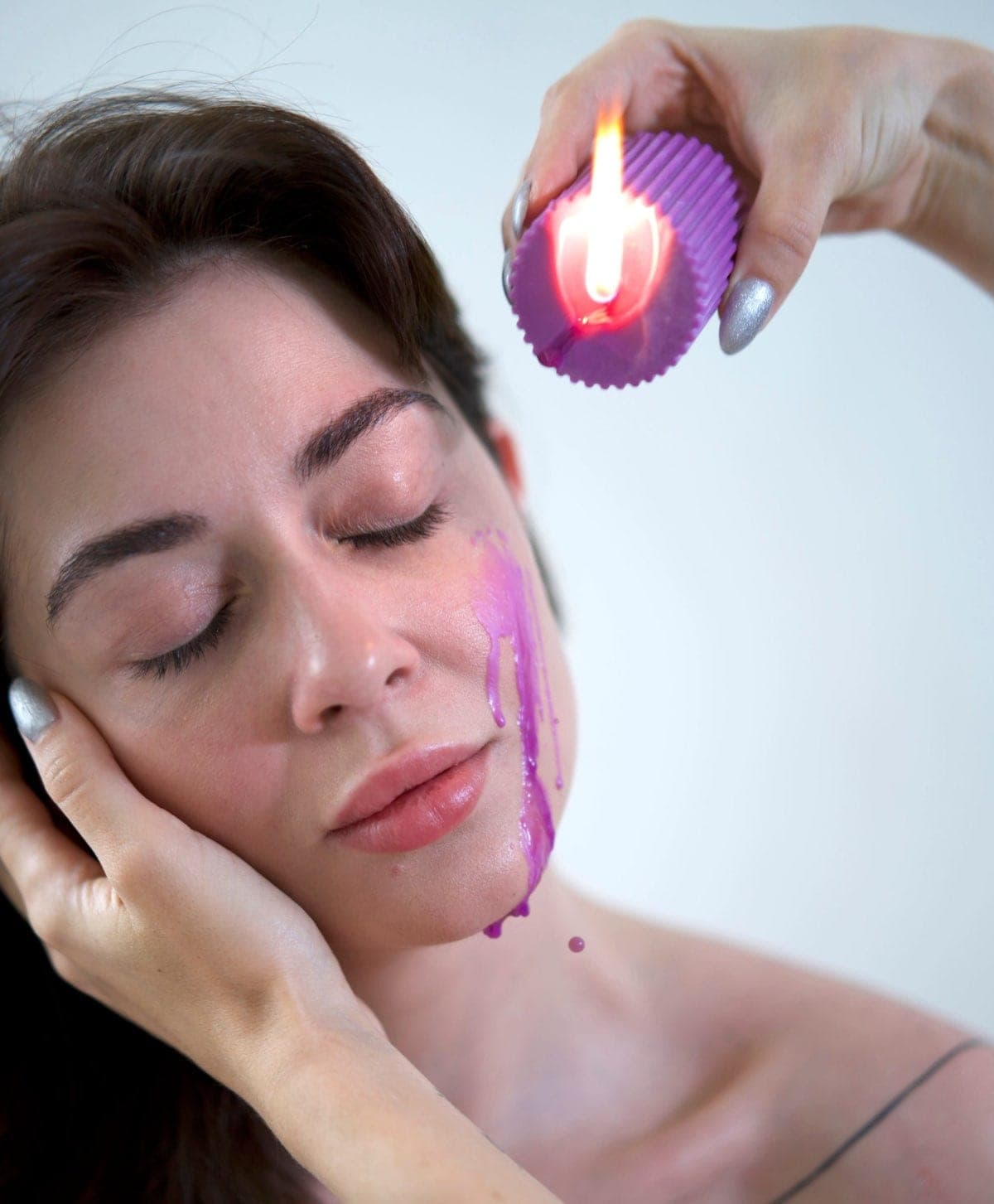
People often confuse heat with harm. Wax play involves heat, yes. That does not mean it automatically involves burns. The experience changes dramatically depending on temperature and distance. A low-temperature candle poured from a sensible height can feel closer to concentrated warmth than pain.
This is why temperature tiers matter. Beginner candles in the 50-55°C range give you room to feel the ritual without jumping straight into sharp intensity. As the numbers rise, the sensation becomes more present and more demanding, but even then distance still matters. Wax cools as it falls. A pour from higher up lands differently than one held close to the skin.
Another source of confusion is normal skin response. Brief redness, warmth, and heightened sensation are not the same thing as a burn. They are often exactly what people are seeking in controlled temperature play. The goal is not to pretend the body should look unchanged. The goal is to know the difference between a normal response and a sign that you chose the wrong tool, the wrong body area, or too much intensity too quickly.
A helpful beginner mindset is to judge the experience by the overall pattern, not one visual cue in isolation. If the skin warms, settles, and the person feels okay, that is a very different situation from heat that keeps escalating, pain that stays sharp, or an area that looks wrong instead of merely flushed. The body gives information in sequence. Safe wax play depends on paying attention to that sequence rather than panicking at every sign that the skin noticed something.
Beginners also underestimate how much safer things feel once they know they are allowed to stop early. A short, calm session with a low temperature is not “less real” wax play. It is exactly how many experienced people maintain safety and quality. The belief that you need to prove something is often more dangerous than the wax itself.
If you want the cleanest beginner answer to “is wax play dangerous?”, it is this: not when the temperature is appropriate, the candle is body-safe, and the pourer respects distance. The temperature guide exists because a five-degree difference can completely change what a first session feels like.
Myth 3: “It’s Only for Extreme BDSM”
Wax play can absolutely exist inside BDSM, but it does not belong there exclusively. For many people it functions more like guided sensation play: a way to explore anticipation, temperature, vulnerability, and control without needing a heavy power-exchange framework around it.
This matters because the myth keeps curious people from even researching it properly. They assume that if they are not “that kind of person,” wax play must be off-limits or incompatible with their relationship. In reality, couples often approach it as a structured intimacy ritual rather than as identity-driven kink. The candle becomes a tool for focus, novelty, and trust, not a badge of belonging to a scene.
At the same time, avoiding the BDSM label does not mean avoiding the good habits that community developed. Consent, explicit boundaries, safe-stop language, and aftercare are useful because they work, not because they belong to one subculture. In that sense, wax play is safest when people borrow the discipline without feeling pressured to borrow the identity.
That broader framing is also why wax play often appeals to couples who are looking for a guided intimate experience rather than a category to identify with. When people understand that wax play can sit on a spectrum from sensual to intense, they stop treating “safe” and “erotic” as opposites. That alone removes a lot of the fear-based confusion built into the myth.
Myths 4-7: Removal, Skin, Aftercare, and Hygiene
Myth 4: “Wax is impossible to remove.”
Beginner-safe wax is usually much easier to remove than people expect. Let it cool, lift an edge, and peel slowly. What feels intimidating before the session often turns into one of the more satisfying parts of the experience. Removal becomes annoying mainly when people overcomplicate the setup or pour onto areas that were not a smart beginner choice.
Myth 5: “Wax play is automatically bad for skin.”
Skin response depends on formulation, temperature, area, and personal sensitivity. A controlled, low-temperature, body-safe candle is not the same thing as dumping hot decorative wax on skin. Beginners should still patch test, especially with sensitive skin, but “skin is involved” does not equal “skin is being harmed.”
Myth 6: “Aftercare is optional if nothing went wrong.”
Aftercare is not emergency management. It is part of good practice. Even a gentle session benefits from water, skin check-ins, and a few calm minutes afterward. Physical sensation ends quickly; the nervous system often takes longer to come down. Good aftercare helps the experience land as positive rather than abrupt.
Myth 7: “Wax play is unhygienic by default.”
Hygiene problems come from poor setup, not from the concept itself. Clean skin, clean surfaces, a dedicated towel, and common sense go a long way. Safe wax play is often more structured and cleaner than people expect because it rewards preparation. The messiest version is usually the version that tried to skip preparation entirely.
Taken together, these myths all point to the same truth: wax play risks rise when people improvise and shrink when people use intentional tools. That is good news for beginners, because intentionality is teachable.
That is also why the same people who think wax play sounds chaotic often find it calming once they see a properly prepared session. The setup is simple. The rules are clear. The temperatures are chosen on purpose. The myths mostly survive in situations where those ingredients are missing. Once you remove improvised tools and vague expectations, the practice starts to look much less mysterious and much more manageable.
For SEO readers who came here looking for a yes-or-no answer, this is the clean takeaway: wax play risks are real but highly reducible. The myths make it sound binary. The facts make it sound procedural. Procedural is the safer framing, because procedures can be followed, learned, and repeated.
How to Make Wax Play 100% Safer
No intimate activity becomes literally 100% risk-free, but wax play can become very low-risk when you follow a short set of rules consistently.
- Use a body-safe candle with a known temperature. This removes the biggest source of uncertainty before the session even starts.
- Start at the gentlest temperature that fits the goal. Beginners do not win anything by starting hotter than necessary.
- Pour on beginner-friendly body areas first. Back and outer thighs give you more feedback with less chance of unpleasant surprises.
- Control distance and pace. One careful pour tells you more than a rushed stream.
- Treat communication and aftercare as part of the protocol, not as optional extras. Safety is not only physical. It is also relational.
In practical terms, a safe first session looks very ordinary: one beginner candle, one protected surface, one or two agreed body areas, a pause after the first pour, and enough confidence to stop the moment something feels off. Nothing about that setup is extreme. That is part of the point. The safer wax play becomes, the less it depends on improvisation and the more it depends on clear, repeatable habits.
If you keep those five rules in place, wax play stops looking like a dangerous unknown and starts looking like what it actually is: a temperature-based practice with clear inputs and clear limits. That is also the best path from beginner confidence to informed progression.
Start safe: body-safe candles from 50°C
Choose a candle built for skin, not guesswork, and make your first wax play session feel controlled from the first drop.
Explore CollectionWax Play Safety FAQ
Can wax play cause burns?
Is wax play safe during pregnancy?
How do you remove wax from skin safely?
Can people with sensitive skin do wax play safely?

Keep exploring
- Guide
Complete Safety Guide
Intro and myth sections — expanded protocol for safe body areas, distance, and aftercare.
- Guide
Beginner'S Guide
Intro — foundational walkthrough for first-time readers.
- Guide
Temperature Guide
Myth 2 — explains why different temperatures change safety and sensation.
- Article
First-Time Checklist
Myth 1 — practical companion piece for building a safe starter setup.
- Guide
Body-Safe Candle Shop
Hero and CTA — commercial destination after objection handling is resolved.