
Wax Play Temperature Guide
How each degree changes the experience. From the gentle warmth of 50°C to the intense, immediate sting of 75°C. Find your perfect threshold.
Contents
Why temperature is the most important variable
In wax play, temperature is not a setting — it is the experience. The difference between 50°C and 70°C is not just twenty degrees. It is the difference between a sensation that relaxes the body and one that makes it react before the mind has any say.
When warm wax lands, it activates thermoreceptors in the epidermis. Below about 43°C, the body registers warmth as pleasant. Between 45°C and 55°C, warmth becomes more defined: you notice it as an event. Above 58°C, nociceptors begin to fire alongside the warmth receptors — this is the origin of the "sting" that intermediate temperatures produce.
Body Area
Skin over muscle (upper back, thighs) absorbs heat more comfortably than skin over bone (ribs, spine, inner arm).
Distance
Wax cools as it falls through air, so the same 60°C candle poured from 30 cm feels drastically different than from 15 cm.
Feather: The gentle beginning
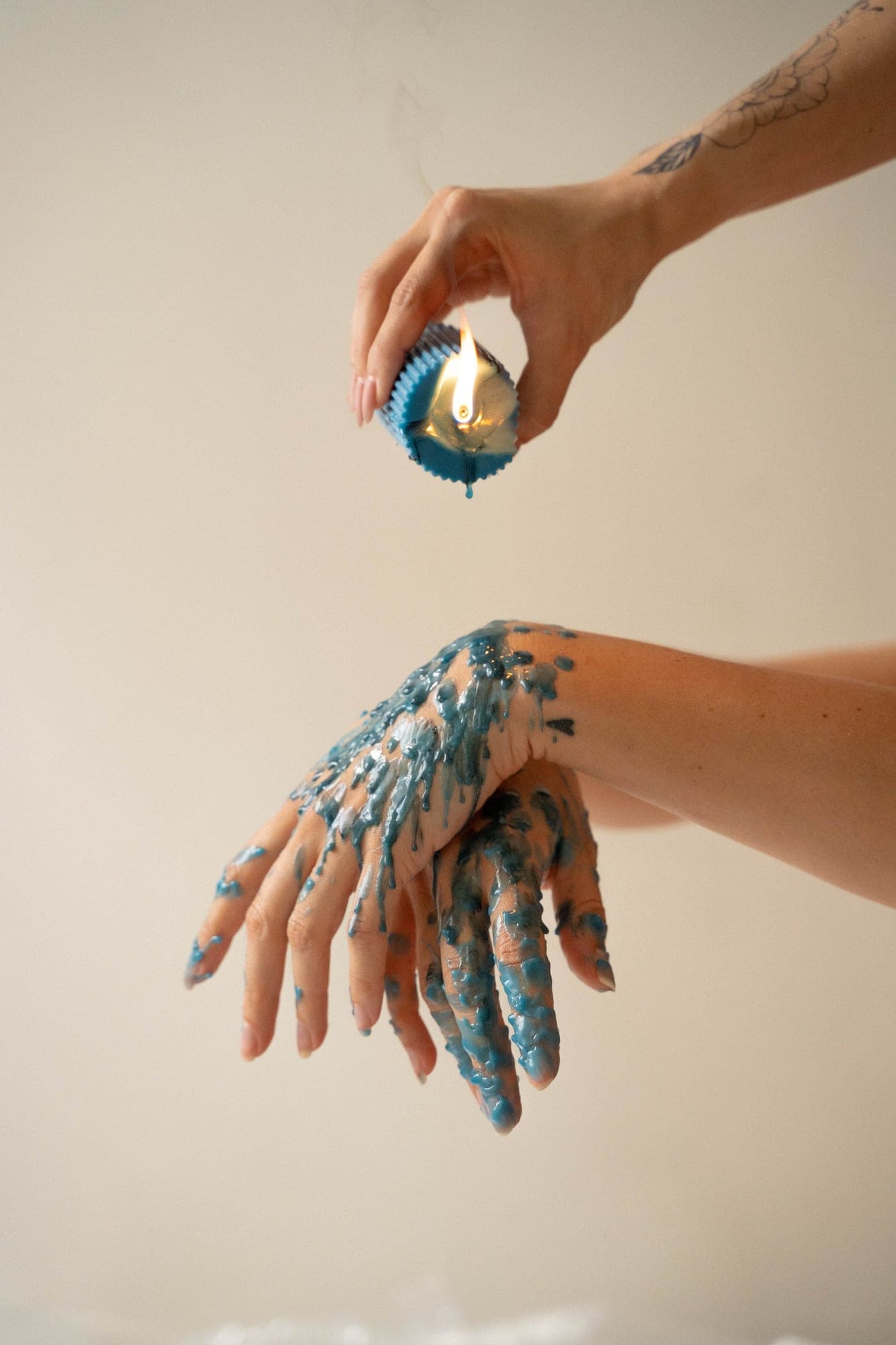
The Feather tier is where every wax play journey begins. At these temperatures, the wax feels like warmth arriving — not heat, not sting, just the clear sensation of something warm spreading across skin and slowly cooling into a thin, peelable layer.
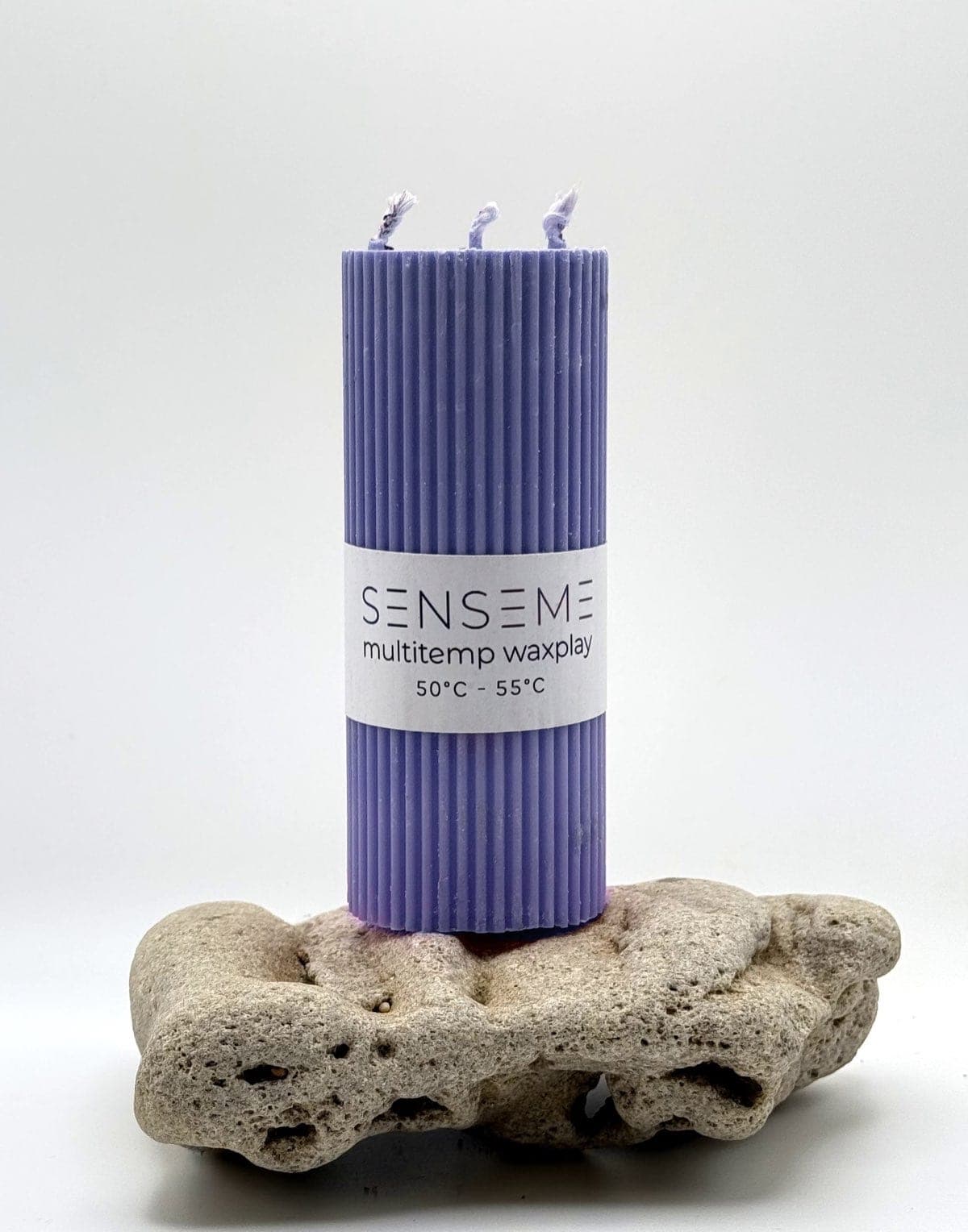
50°C is the floor of the range. The wax lands as soft, spreading warmth — comparable to pressing a warm compress against skin. There is no sharpness, no involuntary reaction. Most people describe it as relaxing, almost meditative. The 50°C Violet carries a cannabis and cactus scent — earthy, grounding, not sweet. A single wick keeps the pool shallow and controlled, giving the pourer full authority over each drip. This is the candle we recommend for every first session.
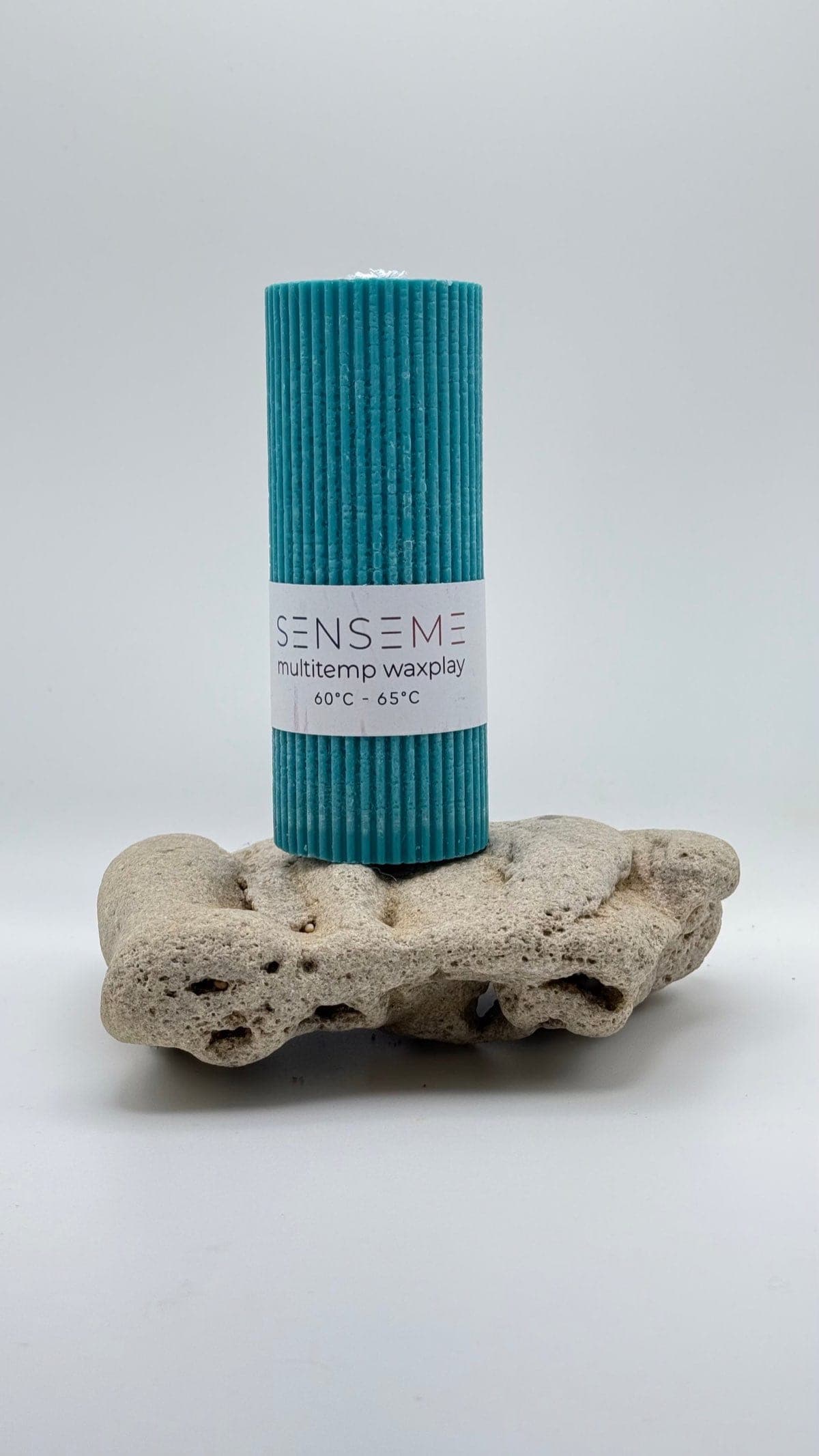
55°C is a subtle but meaningful step up. The wax still arrives gently, but now you notice the moment it landing — there is a brief presence, a "hello" from the heat, before it dissolves into warmth. The 55°C Ocean Green has a forest scent — pine, damp bark, cooler air — and the same single-wick control as the 50°C. This is the candle for people who tried 50°C and thought: "I want a little more."
Both candles in this tier use the same natural soy-paraffin blend. Both are dermatologically tested. Both are beginner-friendly. The difference between them is five degrees and a world of scent — and the knowledge that you can feel the difference, which is the first lesson in temperature play.
Technique at this tier is forgiving. Pour from 30 to 40 centimetres. Start on the upper back. Move slowly. The margin for error is wide — even from 15 centimetres, 50°C wax will not sting. This is by design: the Feather tier exists so you can learn pouring technique, distance control, and partner communication without any concern about intensity.
If you have never tried wax play, start here. Our beginner's guide walks through every step of a first session. You can shop all Feather tier candles in our beginner collection.
Ember: Where sensation begins
The Ember tier is where wax play shifts from relaxation to sensation. The warmth is still there, but now it arrives with company — a sting that lasts one to two seconds before dissolving. This sting is not pain in the way most people fear it. It is a focused point of heat that makes the body pay attention, followed by a longer, deeper warmth that spreads and radiates. The nervous system responds, endorphins follow, and the line between comfort and intensity begins to blur.
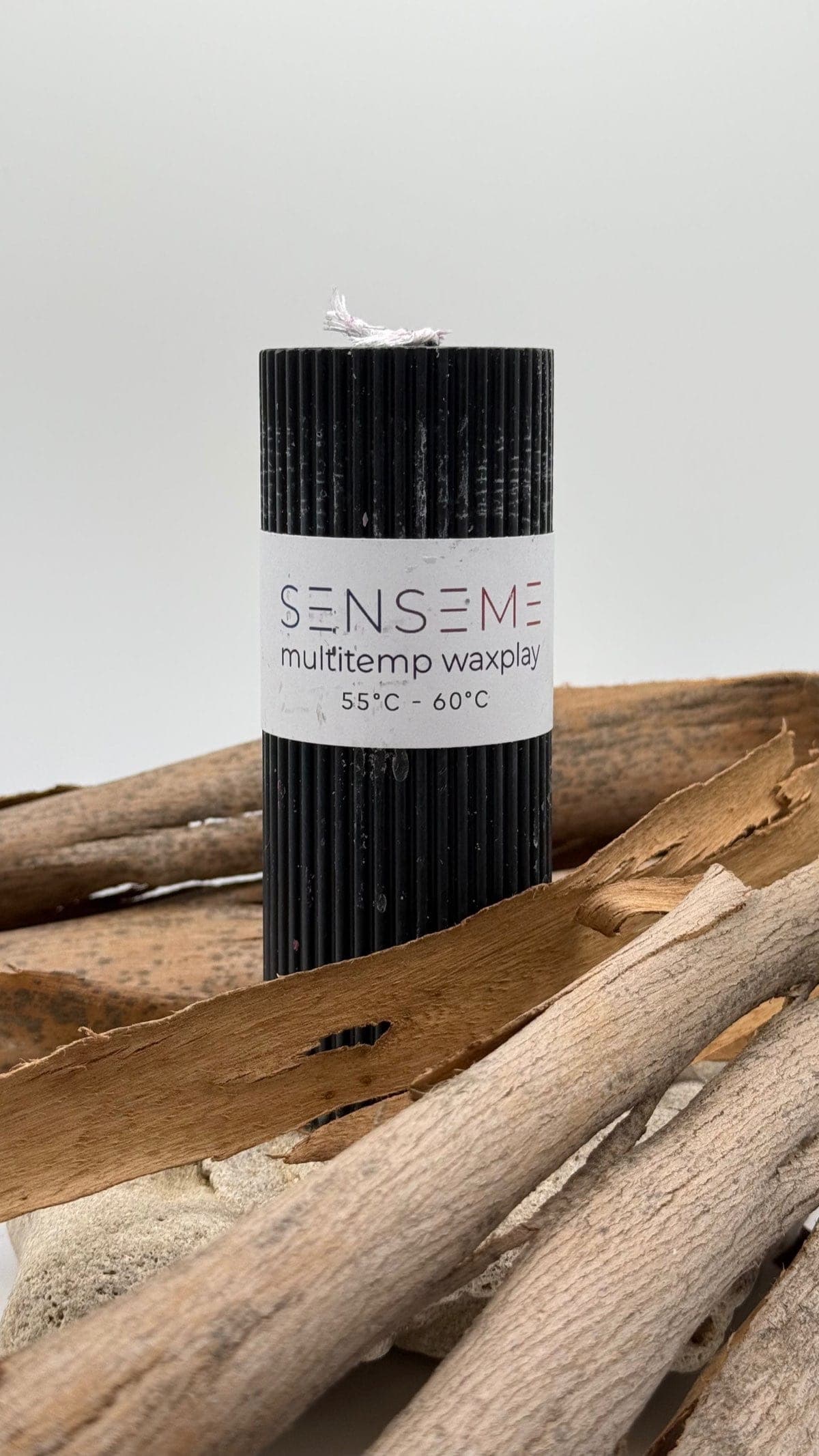
60°C is the threshold. The first candle where you feel the wax land as a distinct event — not just warmth, but arrival. The 60°C Black has a vetiver scent: smoky, rooted, dark. A single wick gives controlled, precise drips. This candle teaches you distance play — how moving from 25 cm to 15 cm transforms the same wax from a warm edge to a defined sting. It is the candle Olga uses when she teaches workshops, because it is the simplest way to demonstrate that distance is the most important variable in wax play.
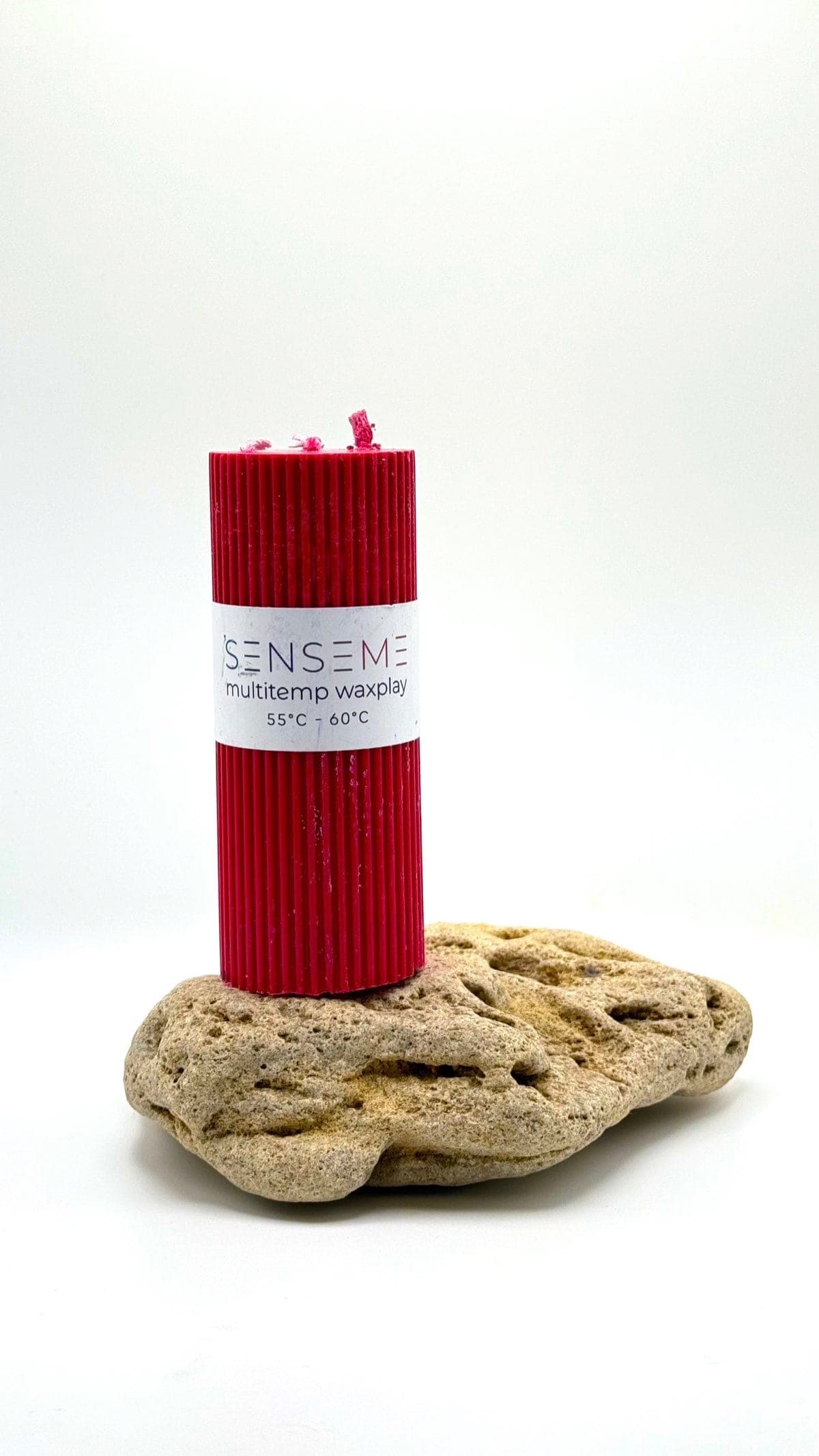
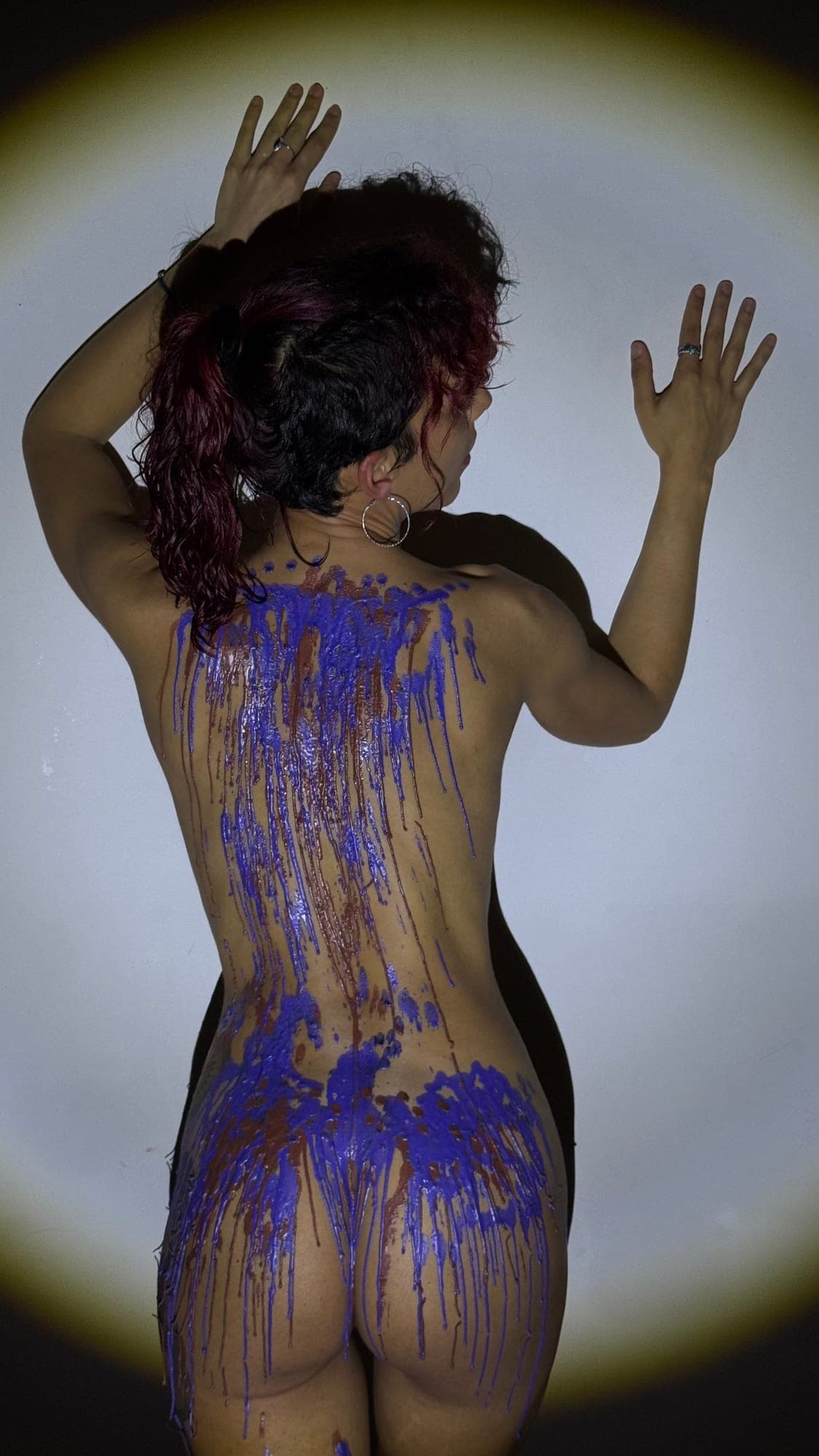
65°C is where technique changes. The 65°C Red is the first candle in the range with three wicks. Three wicks create a wider, deeper wax pool — which means sustained pours instead of individual drips. At 65°C, you stop dripping and start drawing: long lines down the back, sweeping arcs across shoulders, patterns that unfold over ten or fifteen seconds of continuous pour. The palo santo scent fills the room with something closer to ceremony than fragrance. This candle is not casual. It asks for intention.
Technique at the Ember tier requires communication. Agree on a safeword before you begin. Pour from 25 to 30 centimetres to start and adjust based on your partner's responses. Watch their body — a slow exhale means they are absorbing, a held breath means they are anticipating, a flinch means increase distance. Layering is possible: a base of cooled 50°C wax insulates the skin, so 60°C wax poured over it arrives differently — reduced sting, accumulated heat. This is the tier where technique starts to matter as much as temperature.
For multi-temperature techniques and the art of contrast sessions, see our article on multi-temperature wax play. Shop all Ember tier candles in our intermediate collection.
Blaze: For experienced players
The Blaze tier is where wax play becomes physical conversation at its most direct. At these temperatures, the wax hits skin and the body responds before the mind has time to process. There is no gentle introduction — the sting is immediate, sharp, and unmistakable. What follows is a deep, radiating warmth and an endorphin response that experienced players describe as the reason they progressed through the range.
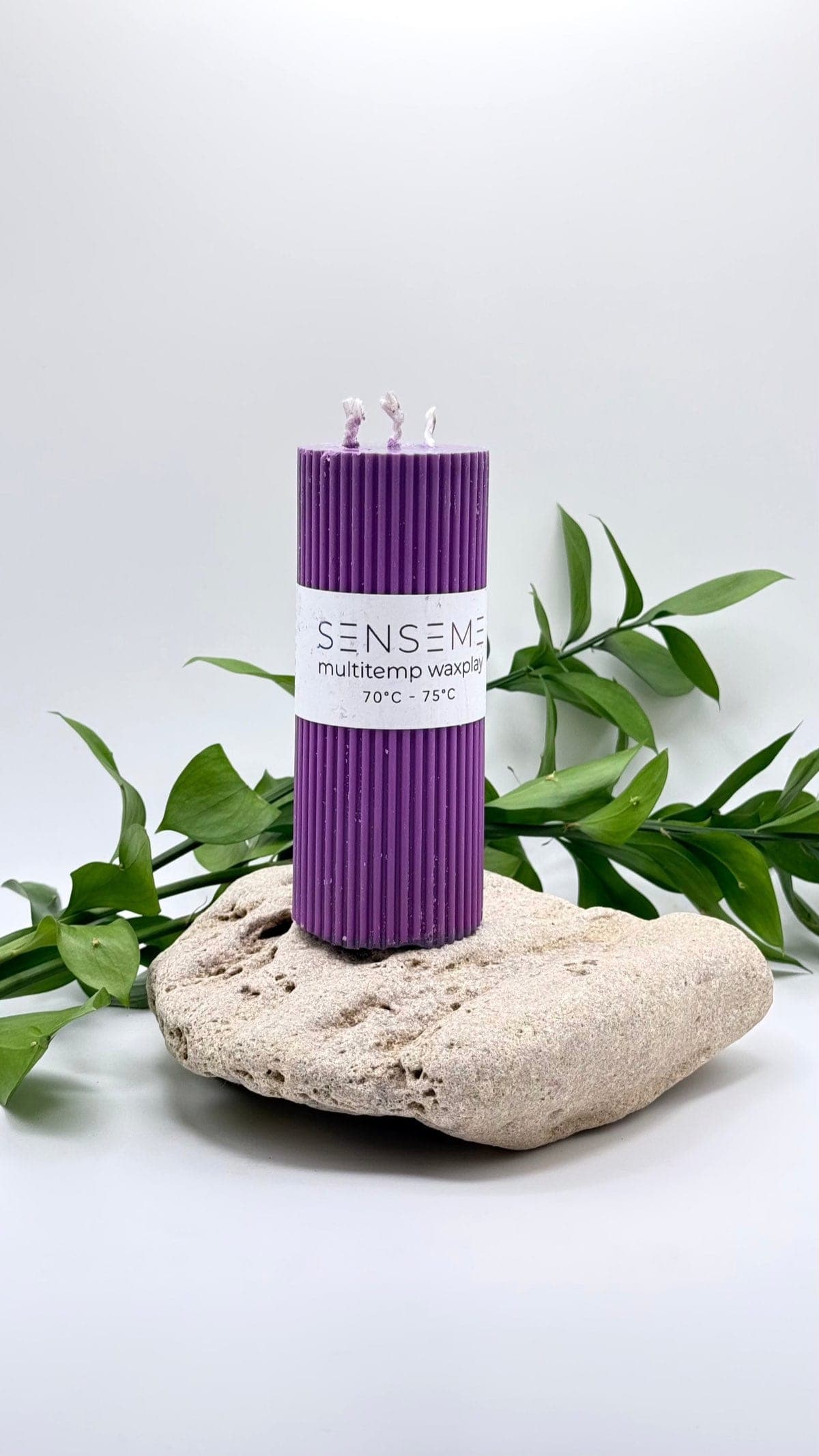
70°C is the entry to the Blaze tier. The wax arrives with a flash of heat that makes the breath catch. The sting lasts two to three seconds, longer than at 65°C, and the warmth that follows is heavier, more present. The 70°C Purple shares its three-wick design with the 65°C Red, but the scent shifts to vanilla and tobacco — sweet dissolving into rough, a contradiction that mirrors the experience of intense sensation within deep trust. This is the candle people come back for. Not the first candle they try, but often the one they settle on.
75°C is the ceiling of the SenseMe range. At this temperature, every centimetre of distance matters. The difference between 25 cm and 20 cm is the difference between intense and overwhelming. Pour speed, arc width, body area — all of these require deliberate control. The 75°C Nude shares the vanilla-tobacco scent with the 70°C, because at this heat, scent barely registers. What registers is the wax, the trust it demands, and the communication that makes it possible. This candle exists for practitioners who have progressed through the full range and understand exactly what they are working with.
Technique at the Blaze tier inverts some beginner instincts. Starting distance is wider (30–35 cm for 70°C, 35–40 cm for 75°C) because the wax needs more air time to cool to a manageable temperature. Non-verbal stop signals are essential — at this intensity, speaking can be difficult. Move the candle in continuous arcs and never hold still over one spot. Jewellery should be removed from the pour area. Aftercare is not optional — redness lasting 30 to 60 minutes is normal, and the emotional come-down after intense sensation requires presence and tenderness.
Shop all Blaze tier candles in our advanced collection. For complete safety protocol at high temperatures, see our safety and aftercare guide.
| Temperature | Start here | Closer (more) | Too close (avoid) |
|---|---|---|---|
| 50°C | 30–40 cm | 15–20 cm | < 10 cm |
| 55°C | 25–35 cm | 15–20 cm | < 10 cm |
| 60°C | 25–30 cm | 15–20 cm | < 15 cm |
| 65°C | 25–30 cm | 15–20 cm | < 15 cm |
| 70°C | 30–35 cm | 20–25 cm | < 20 cm |
| 75°C | 35–40 cm | 25–30 cm | < 25 cm |
Notice that starting distance increases at 70–75°C — hotter wax needs more air time to cool. Distance is always your primary control.
“I spent two years testing blends before arriving at these six temperatures. The gaps between them are deliberate — each step is large enough to feel, small enough to be safe. The system is the product. The candles are how you access it.”

"There is no calendar for temperature progression. Some move from 50°C to 55°C after one session. Some stay at 50°C for months because they love it there. Neither pace is wrong."
Olga Bevz
Sexologist & Candlemaker
Building your temperature journey
The only principle that matters is: do not skip temperatures. Each step up teaches you something that the next step assumes you know.
First sessions (50°C)
Focus on technique, communication, and comfort. Learn what wax feels like on skin without any sting.
Introducing 55°C
Notice the difference. Practice distance adjustment. You learn what it means to feel the wax arrive.
The First Sting (60°C)
Try this when Feather feels effortless. Start with a much longer pouring distance (25–30 cm). The first real step up.
Sustained Pours (65°C)
After comfort at 60°C. The three-wick change makes this feel like learning something entirely new, not just turning up the heat.
The Destination (70°C+)
Not a place to rush toward, but a place you arrive when the journey has been thorough. Trust becomes deeply physical.
Multi-temperature sessions
Multi-temperature sessions add depth without increasing intensity. Two candles — one from Feather, one from Ember — alternated in the same session create contrast that is more interesting than either temperature alone.
People also ask
How do I start with wax play as a complete beginner?
Which body areas are safe for wax play?
What candles are safe for wax play?
How do I remove wax from skin after a session?
Olga developed the SenseMe six-temperature system over two years of testing blends, scents, and melting points. She teaches wax play workshops in Lisbon and makes every candle by hand.
Olga Bevz
Sexologist & Candlemaker, Lisbon
Deep dives
Deeper reading that builds on this guide.
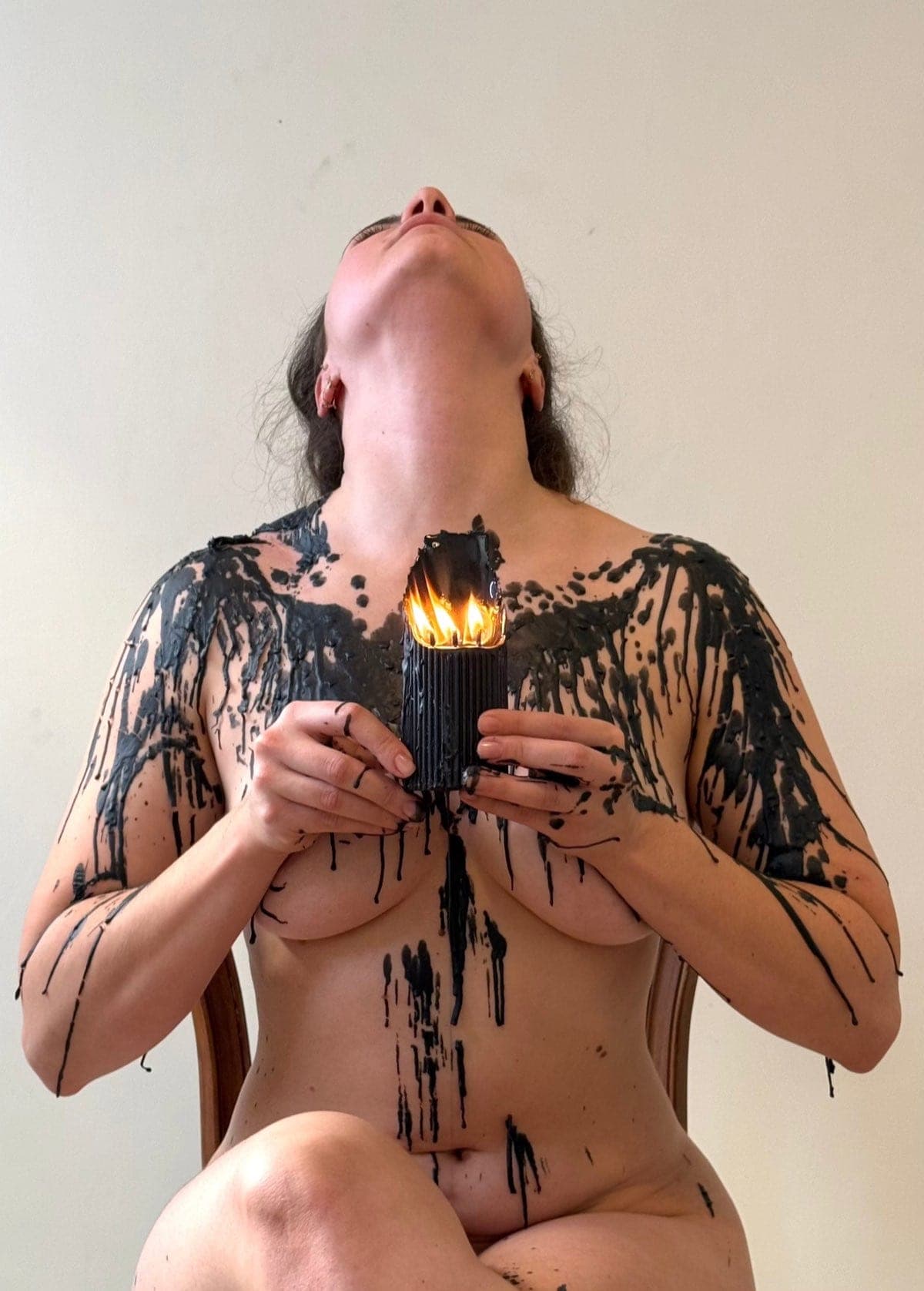
Best Wax Play Candles in 2026: A Temperature-Based Buying Guide
Compare the best wax play candles by temperature, body-safe formula, and experience level so you can choose the right candle or set without guessing.
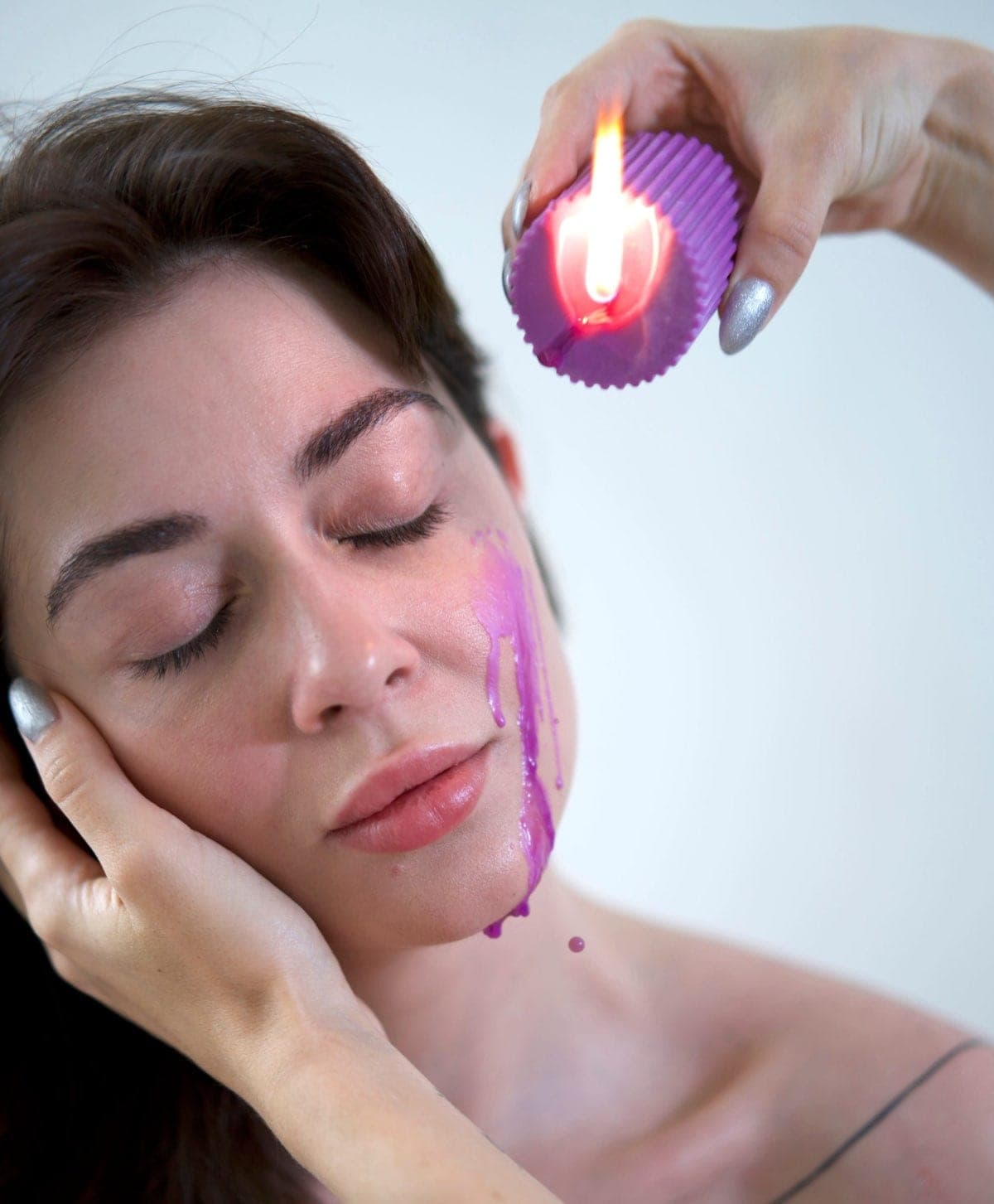
High Temperature Wax Play (70-75°C): An Advanced Guide to Intense Sensation
High temperature wax play is for experienced players only. Learn what 70°C and 75°C feel like, how safety margins change, and when Blaze tier candles are appropriate.
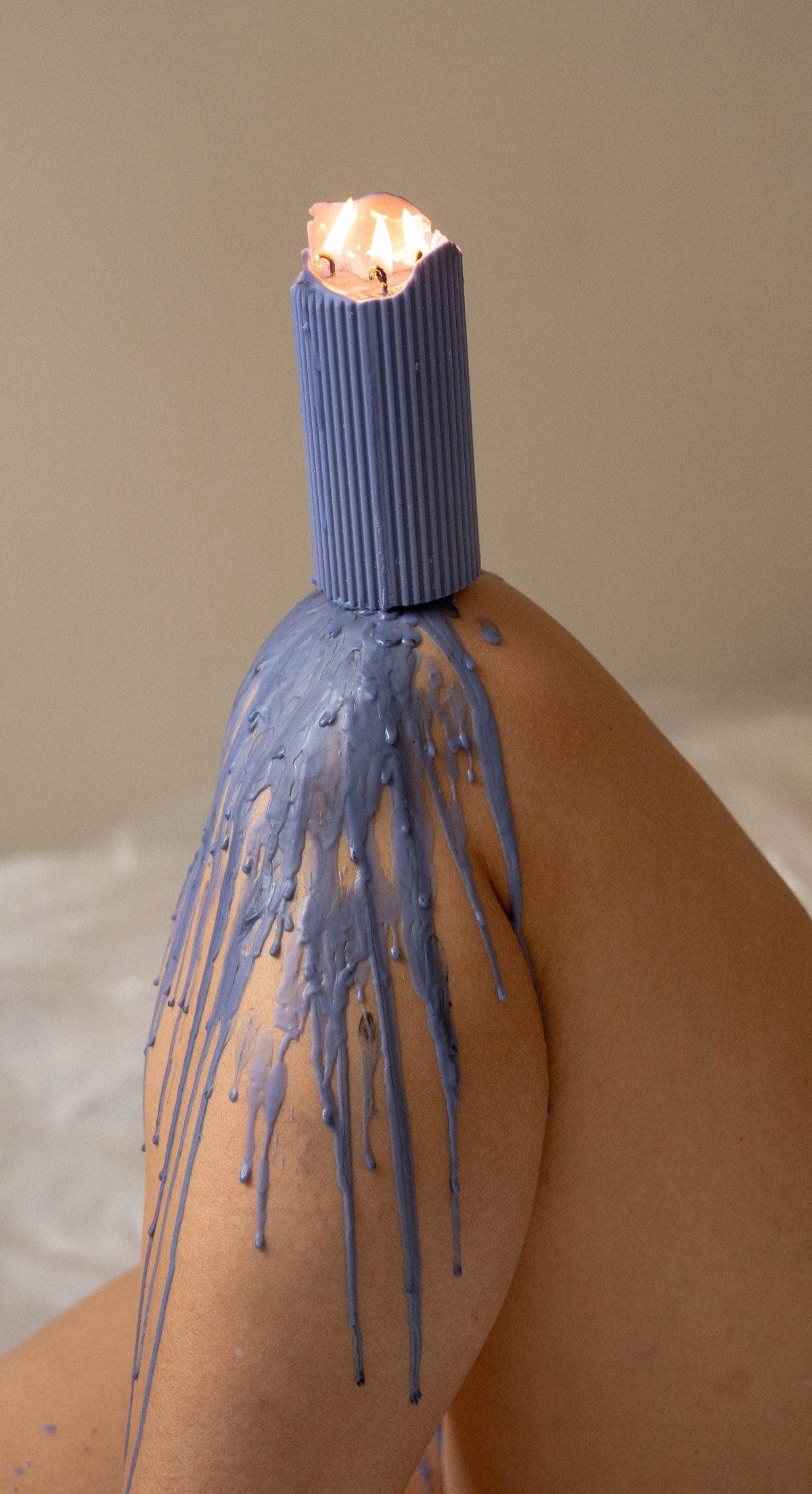
Low Temperature Wax Play (50-55°C): Why Gentle Heat Feels So Intense
Low temperature wax play is the best place to start. Learn what 50°C and 55°C feel like, which candle to choose first, and how gentle heat creates strong sensation.
Medium Temperature Wax Play (60-65°C): The Sweet Spot for Experienced Players
Medium temperature wax play is where control meets intensity. Learn what 60°C and 65°C feel like, how technique changes, and which Ember tier candle fits your next step.
How Scented Candles Change the Mood: Fragrance, Nervous System, and Intimacy
The science behind why certain scents shift your emotional state, how fragrance interacts with temperature play, and a sensory profile of every SenseMe scent from cannabis leaf to white musk.
Wax Play Candle Sets vs Single Candles: A Practical Buying Guide
Use this practical guide to decide whether a wax play candle set or a single candle fits your experience level, gifting needs, budget, and session style.
Ready to find your temperature?
Explore the complete collection and filter by tier, scent, and intensity. Start low and discover your boundaries.
Explore Collection