
First Time Wax Play Checklist: Everything You Need (2026)

This wax play checklist is built for the moment right before your first session, when excitement is high and tiny practical questions start multiplying. What candle do you actually need? What should be within reach? What can you skip? If you want your first experience to feel erotic instead of improvised, the answer is simple: prepare a few essentials well and ignore the rest.
Most beginner mistakes in wax play do not happen because people are reckless. They happen because they are underprepared. Someone grabs the wrong candle. Someone forgets to protect the surface. Someone assumes they will “figure it out” once the wax starts melting. A short checklist solves most of that. It removes guesswork, lowers anxiety, and makes it much easier to stay focused on sensation, communication, and pacing.
As a sexologist and the maker behind SenseMe candles, Olga treats preparation as part of the experience, not an admin task before it. A little structure up front creates much more freedom once the session begins. If you are completely new, start with our full beginner's guide. This article is narrower by design: a practical, pre-purchase list of what you need for wax play, what matters most, and what makes a first session feel beginner-safe rather than improvised.
The Candle: What to Look For Before Anything Else
If you ask, “What do you need for wax play?” the first real answer is not towels, lighters, or aftercare products. It is the candle. The wrong candle can ruin the experience before it starts. The right candle makes everything else easier.
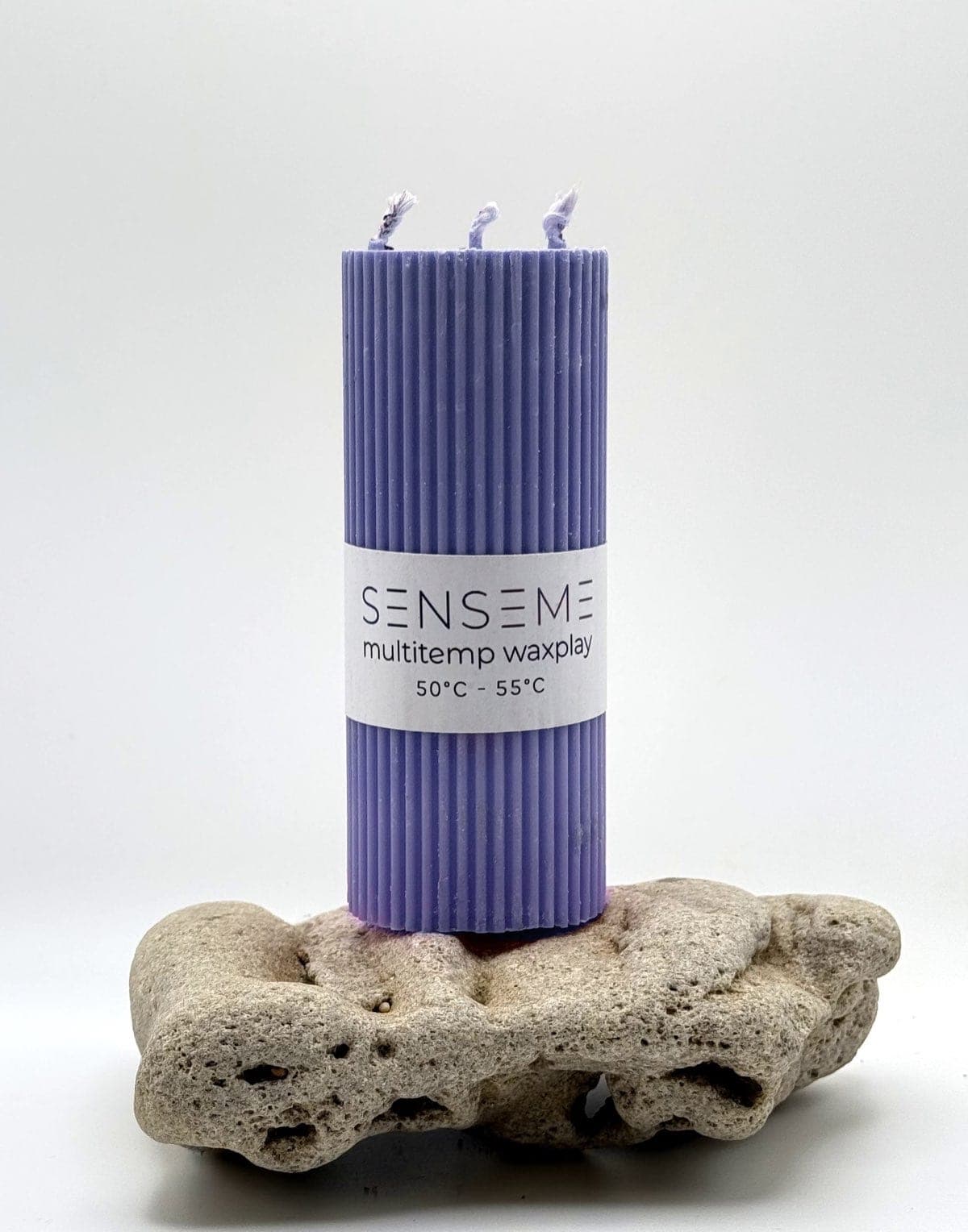
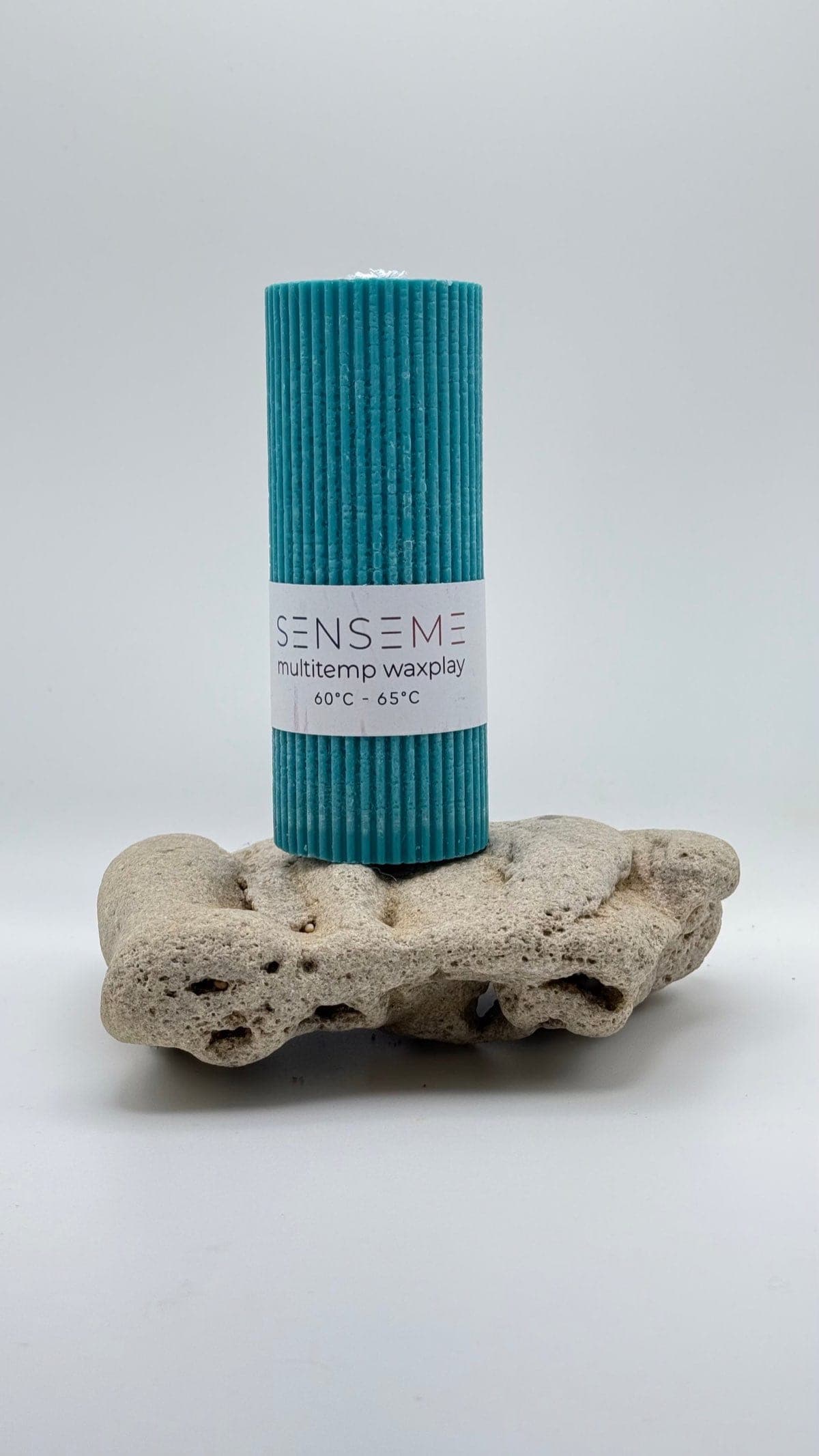
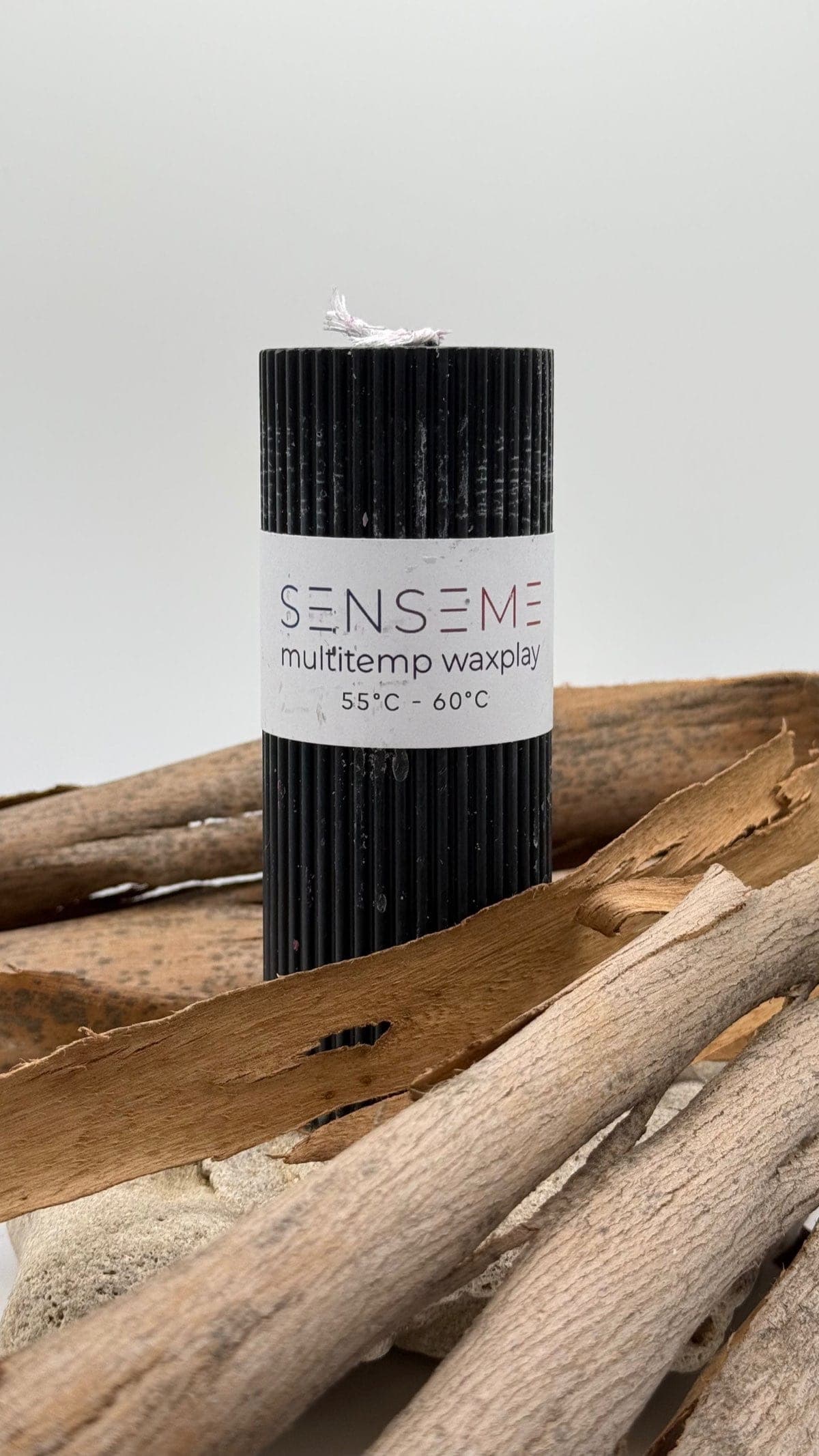
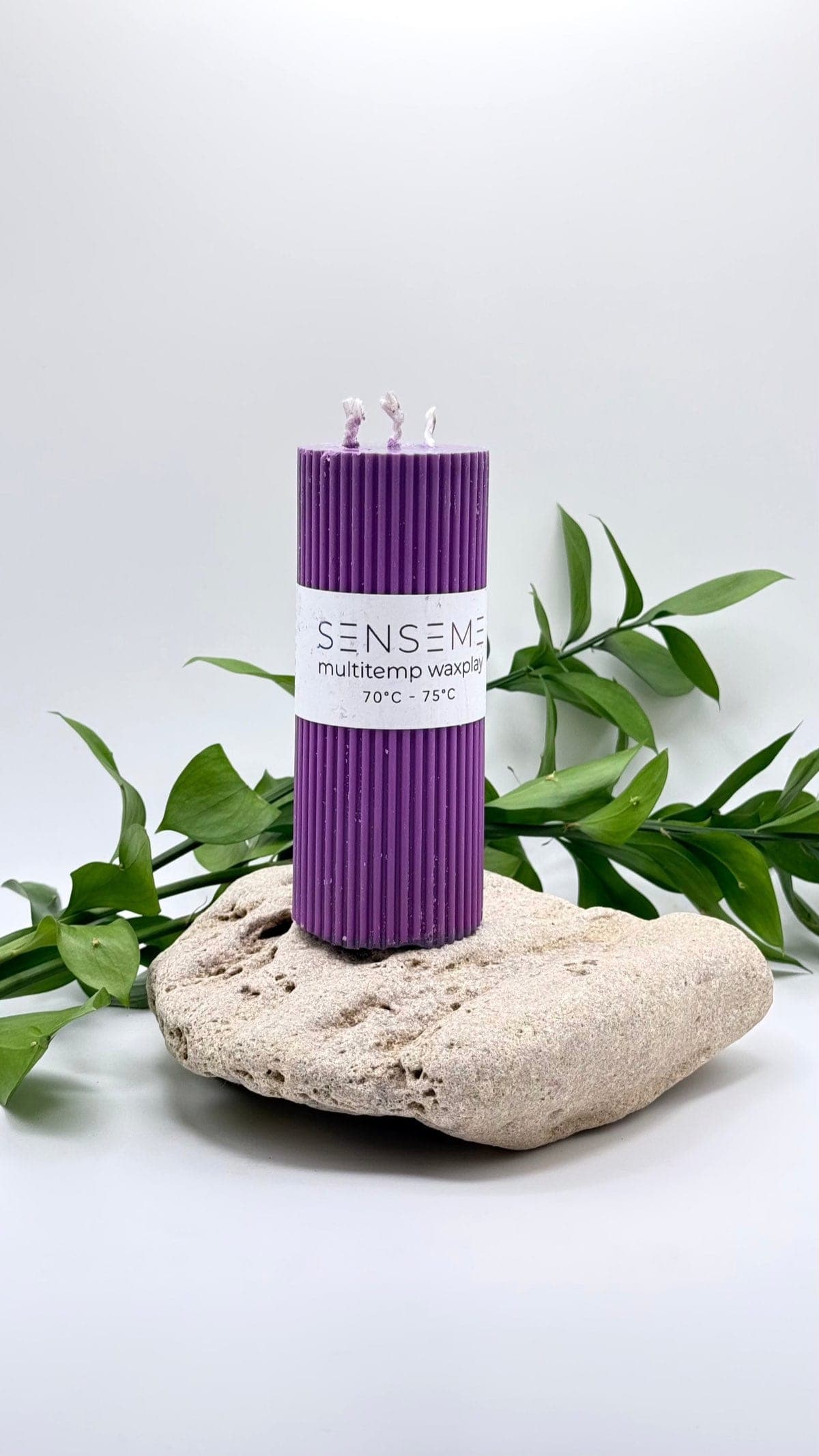
A beginner-friendly wax play candle should do three things. First, it should be body-safe, meaning it was made for skin contact rather than home fragrance only. Second, it should be temperature-rated, so you know what level of heat you are introducing instead of guessing. Third, it should use a wax blend and wick setup that pours predictably rather than splashing or overheating.
This is why ordinary decorative candles are not part of a good wax play supplies list. Even if a regular candle looks soft or “natural,” it is still built for ambience in a room, not for contact with skin. Household candles often give you no clear melt-point guidance, no real reassurance around formulation, and no reason to trust the first pour. That uncertainty is the opposite of what beginners need.
For shoppers, the easiest filter is to ask: do I understand this candle before I buy it? You should be able to see what temperature range it belongs to, who it is for, and why it is appropriate for skin. If a listing hides behind vague phrases like “low temp” without telling you what that means in practice, it should not be your first choice. Beginner buying decisions work best when they remove uncertainty, not when they ask you to trust marketing mood alone.
For first-time sessions, start low. A 50-55°C candle gives you more room to learn how the wax feels, how distance changes intensity, and how your partner responds. It is also the easiest way to turn a first session into a repeatable ritual instead of a one-time experiment. If you want to understand how that temperature choice affects sensation, our safety guide and temperature resources give the fuller picture. For a checklist mindset, the takeaway is simple: one proper beginner candle is more valuable than a drawer full of random substitutes.
Skin Protection: How to Prep the Surface and the Skin
The next part of your wax play preparation is less glamorous but just as useful: make the environment easy on both your skin and your cleanup. Put down a dark towel, sheet, or dedicated throw. Wax usually lifts from skin more easily than from fabric, so surface protection is mostly about reducing distraction. If you are worrying about the bedding, you are not fully inside the experience.
Skin prep should stay simple. Clean, dry skin is enough for most first sessions. Some people like a very light layer of oil because it can make wax removal easier later. Others prefer bare skin because they want a cleaner landing sensation. Neither approach is universally correct. What matters is not slathering on heavy lotion right before the session, because that changes how wax lands and can make the first pour feel less predictable.
A patch test belongs on every wax play essentials list. One small drop on the wrist or forearm gives you immediate information about comfort, sensitivity, and whether the chosen temperature feels appropriate. It also helps the receiving partner go into the session with a real sensory reference instead of pure anticipation. For couples especially, this tiny test often lowers nerves more than another ten minutes of talking.
If you are doing wax play with a partner for the first time, it also helps to agree on body areas before the candle is lit. Back and outer thighs are standard beginner zones for a reason: they are easier to work with, easier to pour on, and easier to read. If you need help framing that conversation, our guide to introducing it to your partner pairs well with this checklist.
Safety Items: What Should Be Within Reach
A good first-time wax play checklist is not only about what you buy. It is also about what you keep close enough that nobody has to break the mood by searching for it mid-session.
Your non-negotiable safety items are straightforward:
- A clear stop word or stop signal. This is the fastest way to keep communication simple once sensation starts.
- A small towel or cloth. Useful for quick cleanup, comfort, and helping with removal afterward.
- Basic first-aid common sense. You do not need a dramatic medical kit, but you do want cool running water nearby and the discipline to stop if something feels wrong rather than “push through.”
- Small scissors nearby if you are using clothing, ties, or layered setup pieces. The goal is not fear; it is easy exits.
Notice what is not on this list: a mountain of gear. Beginners often overpack because it feels responsible. In reality, too many tools can make the session feel technical. A better rule is this: keep what increases clarity, and remove what adds clutter.
This is especially important if one partner is more hesitant than the other. A crowded setup can accidentally make wax play feel more extreme than it really is. A clean, minimal setup sends the opposite signal: we are trying one well-contained thing, we know how to stop, and nothing here is being forced. That emotional framing is part of safety too.
There is also a psychological safety layer that belongs here. Decide in advance whether you want feedback after every pour, every few pours, or only when something changes. That small agreement prevents the classic first-session mismatch where one partner wants frequent reassurance and the other thinks silence means everything is fine. The more explicit the setup, the less mental load during the actual experience.
Aftercare Kit: What You Will Be Glad You Packed
Beginner wax play goes better when aftercare is ready before the session starts. That means the end of the experience feels intentional instead of abrupt. Your aftercare kit does not need to be fancy. It needs to be nearby.
At minimum, keep these three things ready:
- Water. Simple, obvious, and frequently forgotten.
- A warm damp towel. Helpful for gentle cleanup and for easing the transition after the wax cools.
- A basic moisturizer or aloe-style soothing product. Not because low-temp wax should damage skin, but because hydrated skin feels better afterward.
If you tend to get emotionally tender after intense or new experiences, add one more item to the list: time. Ten calm minutes together after the session can change the entire memory of it. This is especially true for couples. Physical aftercare handles the skin. Emotional aftercare helps the experience land well in the relationship.
That is why a wax play supplies list should always include more than gear. You are not just preparing for the pour. You are preparing for the full arc of the session: anticipation, sensation, removal, and reconnection. If you want a deeper dive on post-session care, our dedicated aftercare article will cover the skin-recovery side in more detail.
Printable Wax Play Checklist
If you want a clean summary, use this printable-style wax play checklist before your first session:
- Candle: one body-safe, beginner-friendly, temperature-rated wax play candle
- Surface protection: dark towel, sheet, or dedicated throw
- Skin prep: clean dry skin, optional light oil, one test drop on wrist or forearm
- Body map: agreed beginner-safe areas only
- Communication: stop word or stop signal confirmed
- Safety basics: cloth, easy cleanup, cool water nearby, common-sense stop rule
- Aftercare: water, warm towel, moisturizer, ten calm minutes after
- Mindset: keep the first session short, gentle, and easy to repeat
If you want to use this as a real pre-session checklist, do one final pass right before lighting the candle: can both of you name the allowed areas, the stop signal, and the first temperature you are starting with? If the answer is yes, you are prepared enough. If the answer is no, that is where to slow down. Good preparation is not about having more items. It is about removing the one uncertainty most likely to interrupt the session.
That final item matters more than it looks. The best first wax play session is not the most intense one. It is the one that leaves you both confident enough to want a second session. If you want everything in one place, our beginner candles collection is the shortest path from checklist to actual setup.
Get everything you need
Start with beginner-safe candles and a simple setup that makes your first session feel smooth, not improvised.
Explore Collection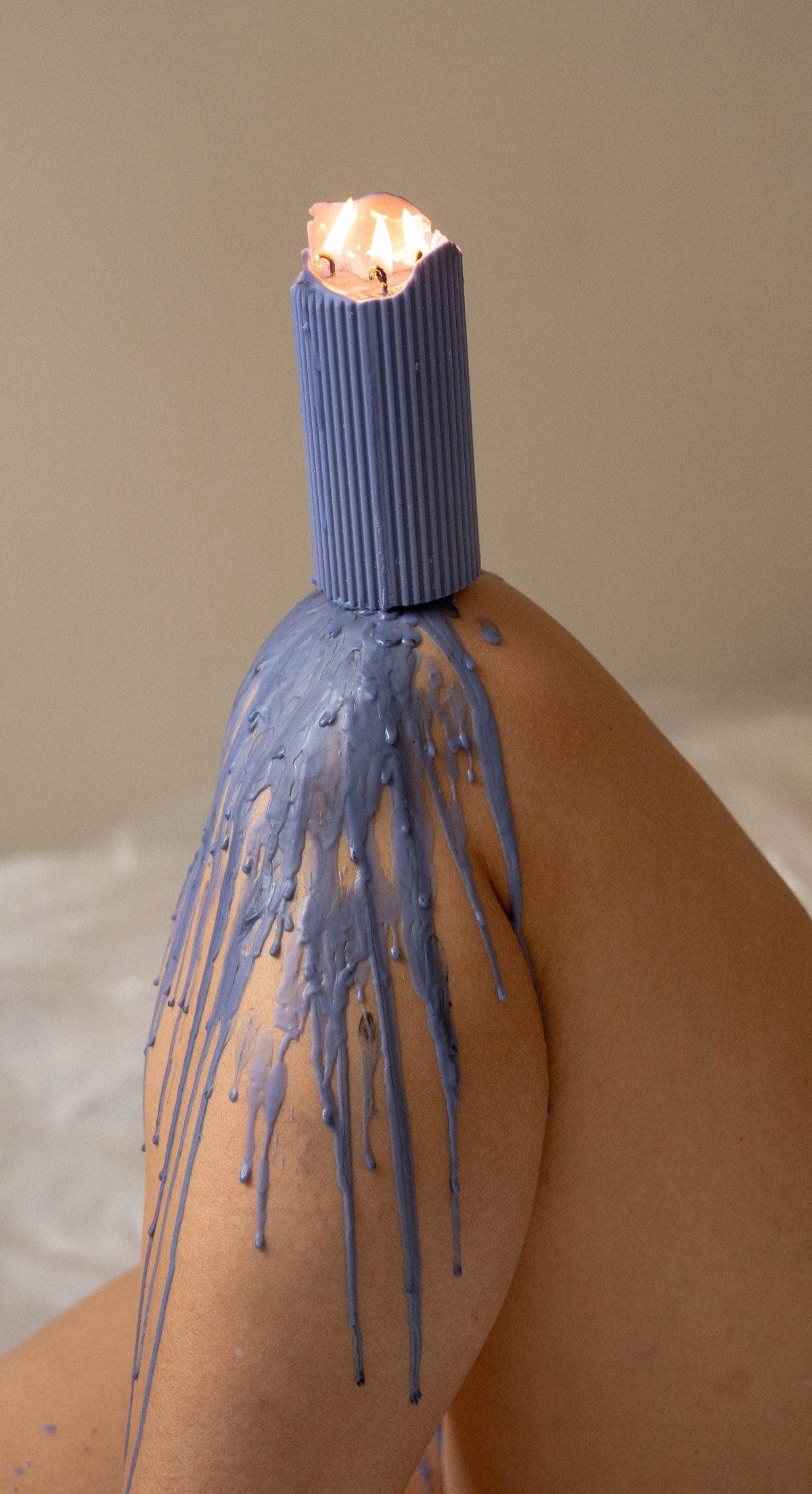
Keep exploring
- Guide
Full Beginner'S Guide
Intro block — foundational guide for readers who need the full walkthrough.
- Guide
Safety Guide
Candle section — explains why low-temp, body-safe products matter.
- Article
Introducing It To Your Partner
Skin protection section — supports couples planning conversations and body-area agreement.