Medium Temperature Wax Play (60-65°C): The Sweet Spot for Experienced Players
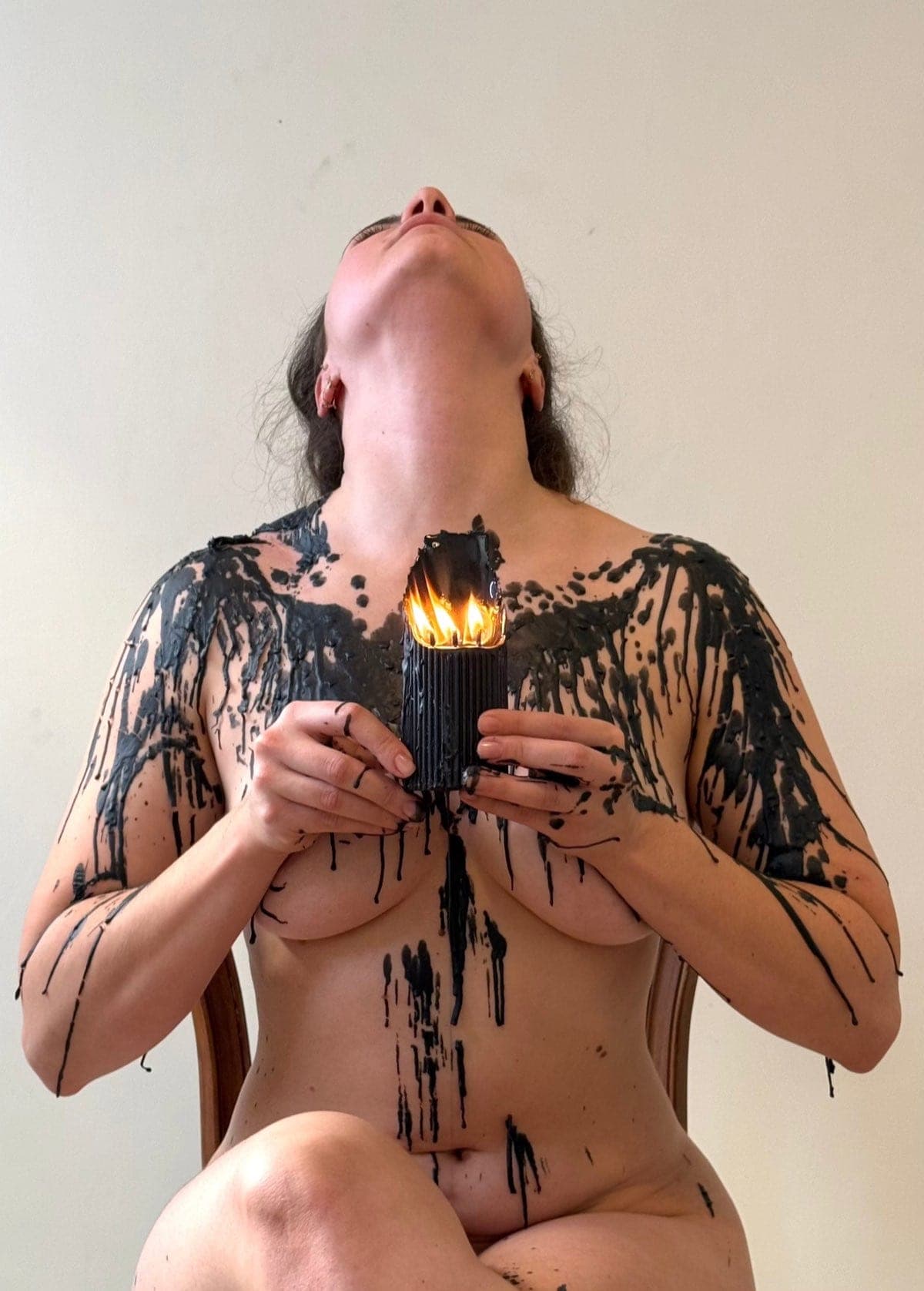
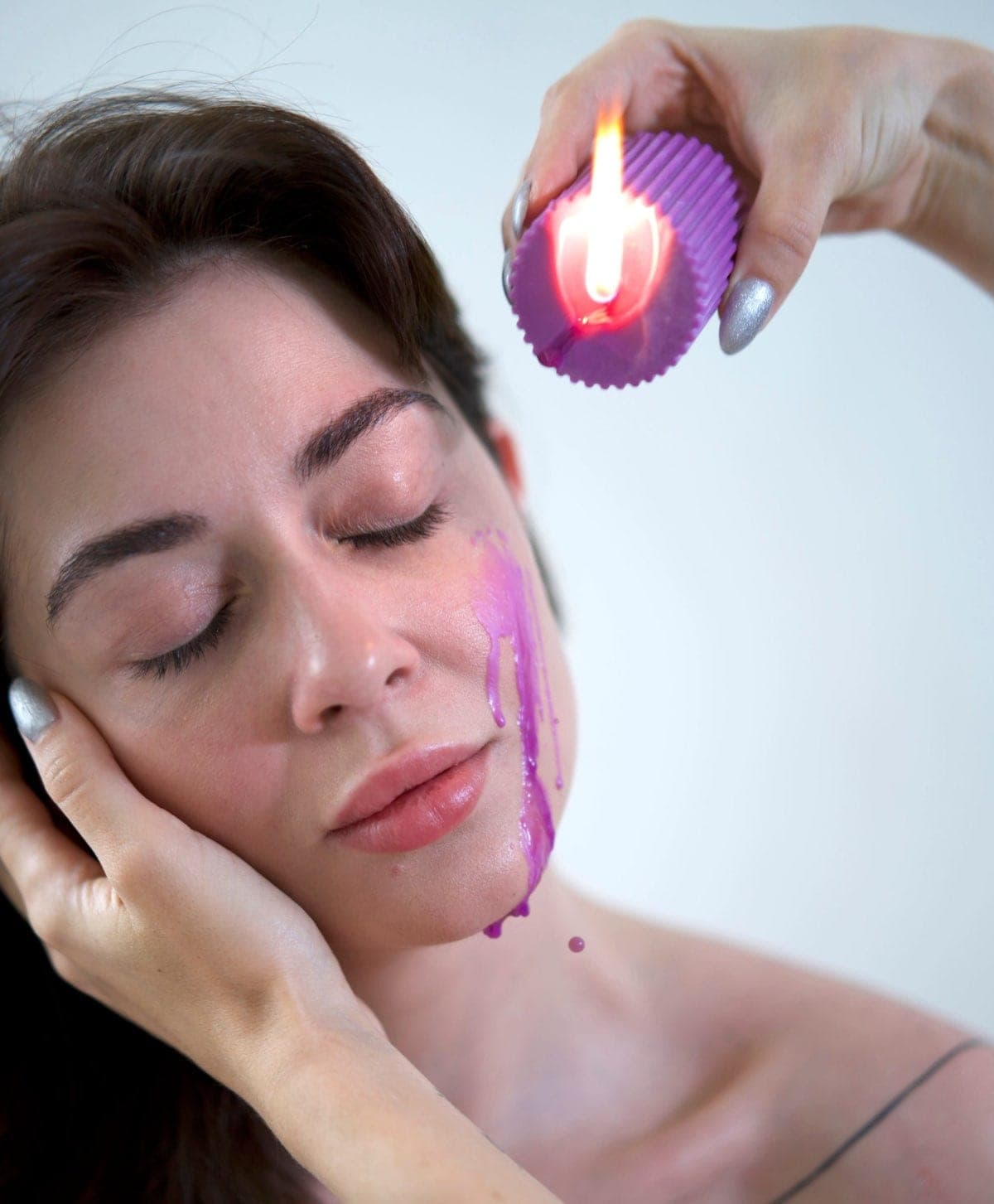
Medium temperature wax play is often the point where people stop thinking of wax as a beginner novelty and start treating it as a real craft. At 60-65°C, the body no longer reads the wax as only warm. It feels intention. There is a brief sting, a stronger arrival, and a much clearer difference between careful technique and casual pouring. For many experienced players, this is the range where wax play feels the most complete.
That is why the Ember tier is the real "goldilocks zone" for a lot of people. Low temperatures are excellent for learning and for gentle sensory intimacy. High temperatures create an advanced intensity that demands full attention. Medium temperatures sit in the middle and give you the benefits of both. They are strong enough to feel distinctly erotic and distinctly risky if approached carelessly, but still controlled enough that skill, communication, and body reading matter on every pour.
It is also where search intent changes. Readers here are rarely asking whether wax play is possible for them at all. They are asking what kind of intensity feels sustainable, whether 60°C is enough of a step up, and how much five degrees really changes the scene. That makes medium temperature content different from beginner content. It has to answer decision questions, not just curiosity questions.
That is part of why medium temperatures convert so well when the content is honest. People at this stage do not need encouragement to be curious. They need help comparing outcomes: cleaner control versus more visual drama, single-wick precision versus three-wick flow, lower recovery demand versus longer, more marked sequences. A good Ember-tier article should make those tradeoffs easier to see before the buyer ever reaches the product page.
That comparison mindset is healthy. It means the reader is no longer shopping from novelty alone. They are trying to match the product to the kind of session they realistically want to create. Medium temperatures reward exactly that kind of buyer because they are all about deliberate tradeoffs rather than one obvious answer.
That is exactly why this tier deserves its own content cluster instead of being treated like a footnote between beginner and advanced.
It solves its own set of problems.
And it deserves to be chosen on purpose.
That is what this guide is for.
It helps the reader choose with more precision.
That precision matters.
Especially when money and trust are both involved.
As a sexologist and the maker behind SenseMe candles, Olga sees many players settle here after trying the full range. They do not stay because they are avoiding higher intensity. They stay because 60°C and 65°C create the best balance of sting, warmth, atmosphere, and repeatability. This guide explains what each candle in the range does, how medium temperature technique changes, and when Ember tier candles are a better choice than either Feather or Blaze. Keep the full temperature guide open if you want the broader map while reading.
60°C: Controlled Intensity
A 60 degree wax candle is often the first point where players say, "Now I understand what temperature play means." The wax still feels manageable, but it arrives with a sharper edge than anything in the beginner range. There is a quick sting, then a fast transition into warmth. That combination makes 60°C ideal for people who already trust the mechanics of wax play and want a sensation that feels more active on the body.
What makes 60°C especially useful is precision. At this temperature, small changes in height and body area become much easier to feel. The same pour can read one way across the upper back and another way across the shoulders or outer thigh. That teaches control. It also teaches humility, because casual technique stops working as well. If lower temperatures are forgiving, 60°C is informative.
That precision is why 60°C suits players who want intensity without losing structure. It rewards careful distance, measured pacing, and clean communication. The scene still feels strong, but it stays readable. You are not guessing whether the heat worked. You can feel exactly how it worked.
Because of that, 60°C tends to work especially well for players who are moving out of the beginner range but still value feedback-rich sessions. It gives clearer data than 55°C and cleaner control than 65°C. If your ideal next step is "teach me more while still letting me stay composed," 60°C is often the right candle. It is the point where intensity stops being vague and starts becoming something you can shape.
It is also a strong intermediate entry point because it does not require the same visual drama or recovery margin as hotter tiers. A single-wick candle like 60°C Black encourages deliberate pours rather than continuous streams, and that slower rhythm helps players refine communication. In commercial terms, it is often the best answer for someone searching "wax play intermediate" or "60 degree wax candle" because it offers a meaningful step up without demanding advanced-only margins.
65°C: Dramatic Impact
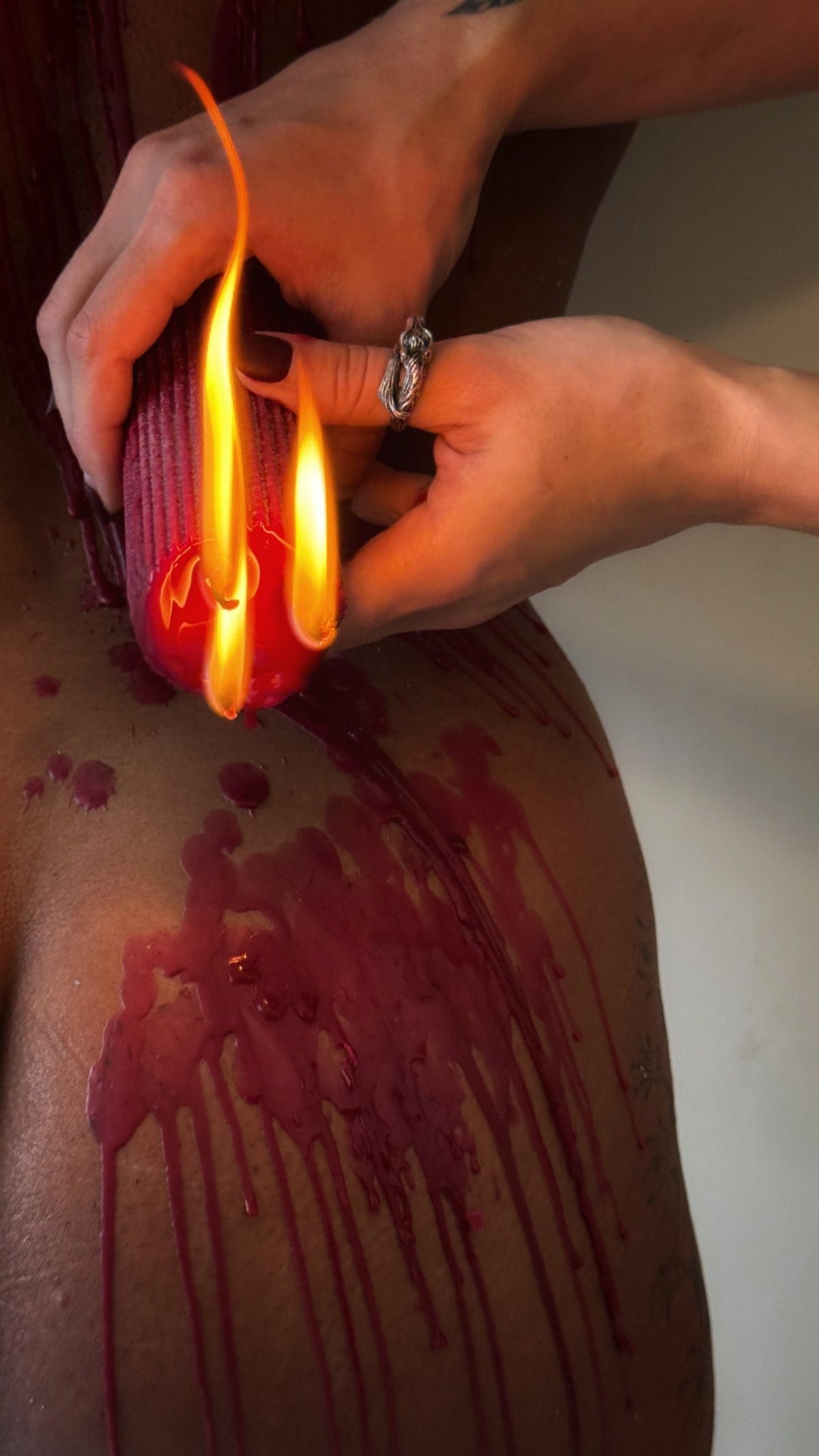
65°C changes the session immediately. The heat lands faster, the sting lasts longer, and the visual effect becomes part of the experience in a bigger way. That is not only because the temperature is higher. It is also because 65°C Red is a three-wick candle, which changes how the wax pool behaves and how the pourer can move through a scene.
With a deeper pool and longer continuous pours, 65°C feels more theatrical than 60°C. The body notices the difference, but so do the eyes. Coverage becomes easier, lines become longer, and the pacing of the session can shift from individual moments into deliberate sequences. This is why 65°C often appeals to players who want more visual presence and more sustained sensation, not just a slightly hotter version of what they already know.
That extra drama is also the extra responsibility. Three-wick candles give you range and coverage faster, which is excellent for the right player and too much for the wrong one. If your medium-temperature technique is still inconsistent, 65°C can expose that quickly. If it is already solid, 65°C feels expansive rather than chaotic.
That is why 65°C often works best for players who already know they enjoy being visually and psychologically marked by the scene, not only physically stimulated by it. The difference is subtle but important. Some sessions are about readable contrast and communication. Others are about momentum, flow, and impact. 65°C belongs much more naturally to the second category. Buying it makes sense when that is the experience you want to create on purpose.
That said, 65°C is not simply "better" than 60°C. It is a different tool. Some players love it because it feels more ceremonial, more marked, more intense. Others prefer 60°C because they enjoy the cleaner control and lower recovery demand. The useful question is not which candle is stronger. It is which candle gives you the kind of session you want to build.
Distance and Technique at Medium Temps
Medium temperatures are where technique starts carrying visible consequences. At 50-55°C, you can get away with being a little clumsy. At 60-65°C, the body gives clearer feedback, faster. That is why distance becomes one of the most important skills in the Ember tier.
A good working rule is to begin higher than you think you need, then come closer only when the receiving partner's body language tells you the current distance is readable and welcome. At 60°C, that gives you room to tune the edge of the sting. At 65°C, it gives you room to decide whether the session will feel focused or dramatic. This is also the range where body-area discipline matters. Broad, muscled areas reward good pours. Thin or reactive zones punish overconfidence.
Medium temperature technique is also where movement quality matters. You do not want to hover over one point or chase "maximum effect" on a single spot. You want arcs, lines, and controlled pacing. The wax should feel intentional, not chaotic. If you need a broader foundation before moving into this tier, our safety guide for technique is the right companion read.
A practical way to think about Ember technique is that mistakes become more legible. Pour too close and the edge sharpens immediately. Stay too long in one zone and the body tells you faster. Move too quickly and the receiving partner stops being able to distinguish one moment from the next. That is exactly why this tier is so educational for experienced players who want to refine, not just intensify.
There is also a simple commercial insight hiding inside that technique lesson: medium temperatures reward players who are buying for repeat use rather than for a one-off experiment. Ember candles shine when you intend to learn them, compare them, and build scenes around them. If your plan is to use wax play only rarely and keep it very gentle, Feather may still be the smarter purchase. If your plan is to deepen the practice, Ember is usually where the real education starts.
Combining Temperatures in One Session
One of the strongest reasons people move into the Ember tier is contrast play. Medium temperatures are high enough to change the emotional tone of a session, but still controlled enough that you can combine them with lower or higher candles intentionally instead of turning the whole experience into survival.
A 60°C and 70°C pairing, for example, creates a very specific dialogue on the skin. The 60°C pour feels precise and interpretable. The 70°C pour feels faster and more commanding. Switching between them turns temperature into rhythm. That is very different from simply choosing one hotter candle and staying there.
This is where set design starts making commercial sense. A duo is not only about saving money or getting more wax. It is about getting a useful progression in one format. If your search intent is no longer "can I do wax play?" but "which intensity setup should I buy next?", contrast sets often solve the decision much better than another single candle.
That is especially true for players who already know they like wax play but are not yet sure whether their next best move is slightly hotter or meaningfully more varied. A contrast set answers that question through experience rather than speculation. That makes it one of the most useful commercial formats in the middle of the funnel.
It also helps answer a deeper question that single-candle shopping often leaves unresolved: are you actually chasing more heat, or are you chasing more complexity? Medium-temperature shoppers are often surprised to find that complexity, not heat alone, is what they were missing. A well-built duo reveals that quickly, which is why set thinking becomes so commercially relevant right here in the progression.
That is the real "sweet spot" argument in practical terms: Ember is where both single-candle refinement and multi-temperature complexity start making equal sense.
For players who want a next purchase to teach them something new, that flexibility is often what makes Ember worth the move.
Explore our Ember tier
If low temperatures already feel familiar, the next useful step is not random escalation. It is a controlled move into medium intensity.
Explore Collection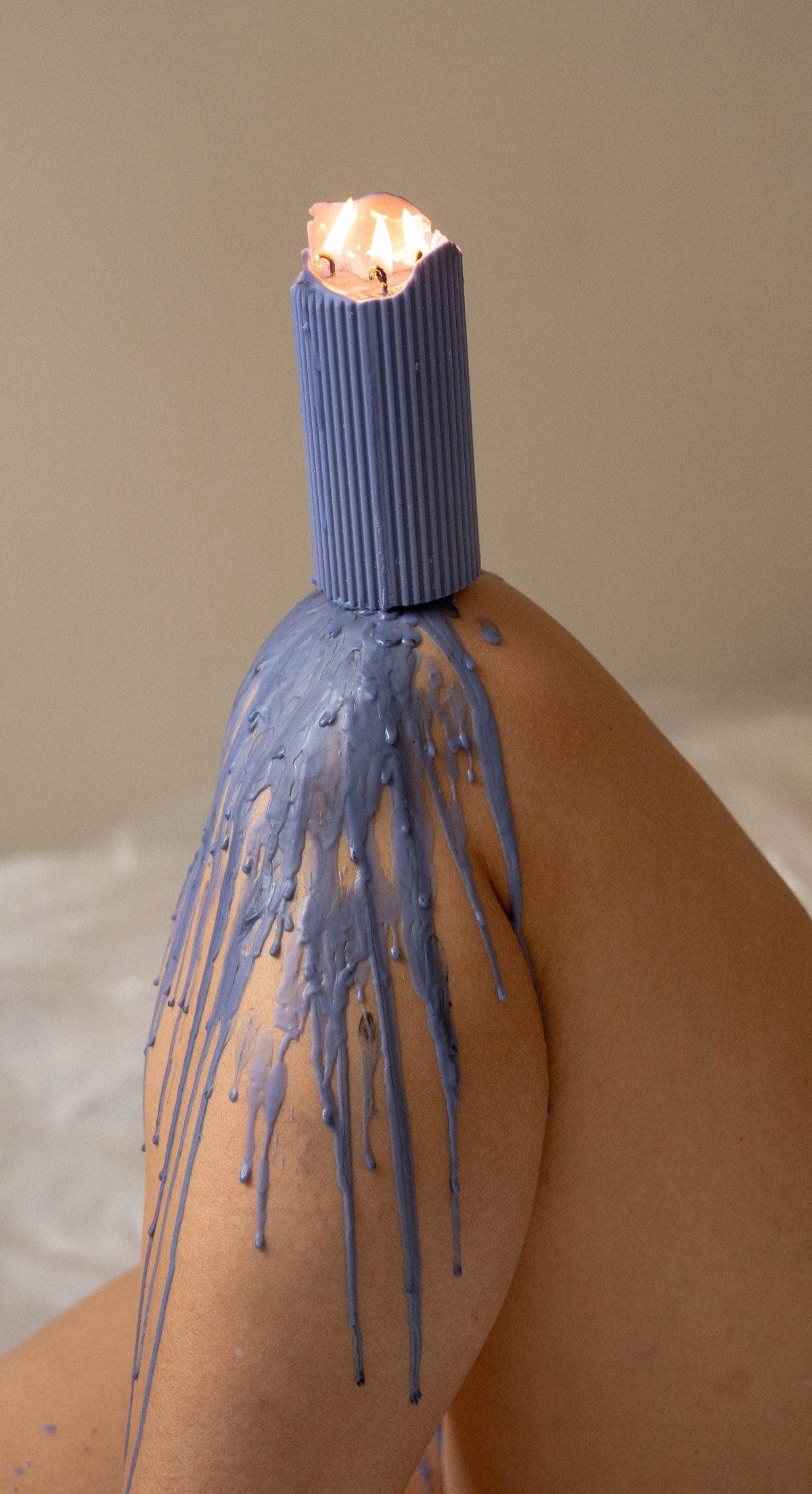
Keep exploring
- Guide
Full Temperature Guide
Intro - temperature framework for the entire range.
- Article
Low Temperature Guide
Technique and progression context for readers moving up from Feather tier.
- Article
High Temperature Guide
Contrast section - next tier after Ember.
- Guide
Safety Guide For Technique
Distance and body-area section - safe technique foundation.