High Temperature Wax Play (70-75°C): An Advanced Guide to Intense Sensation
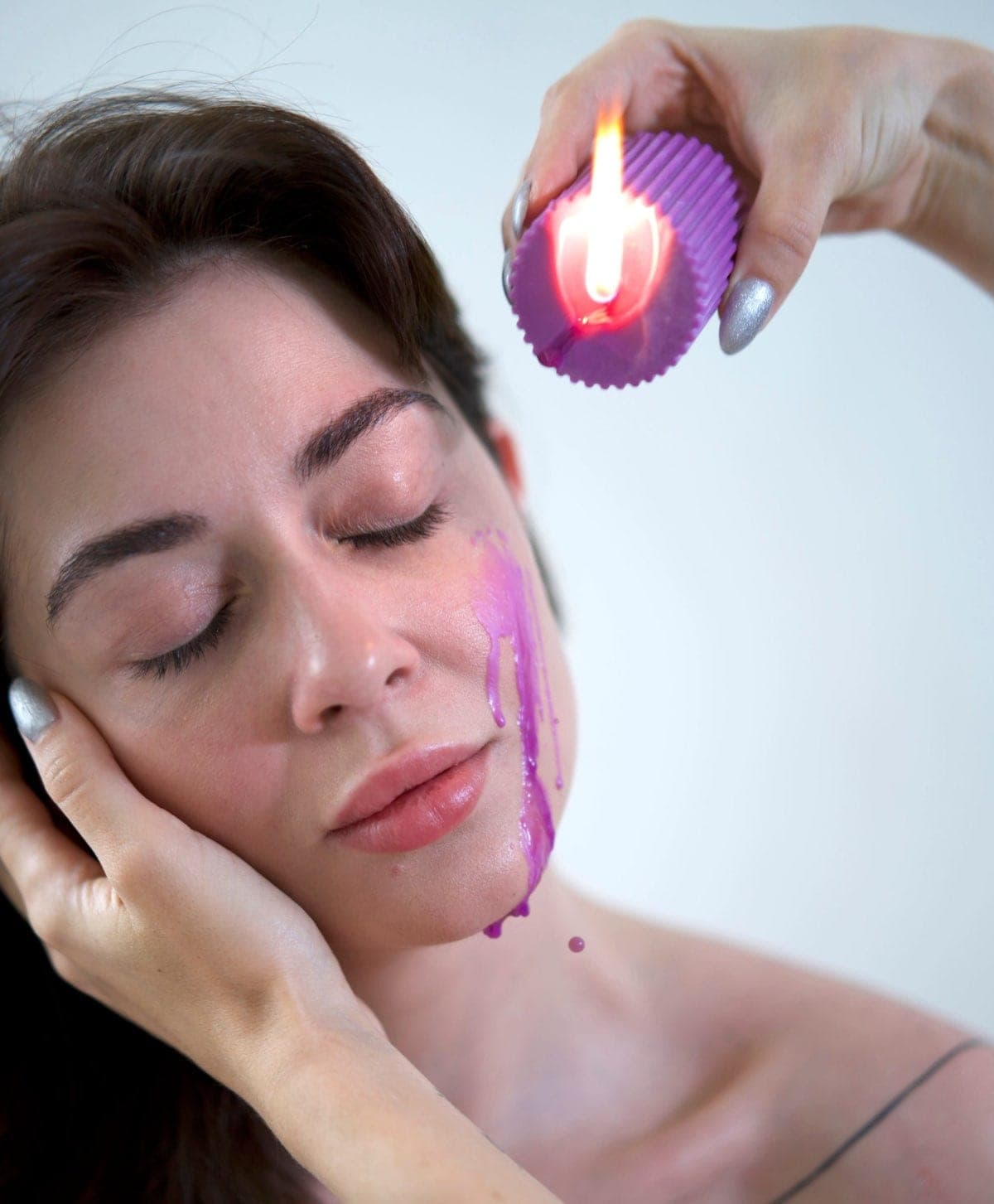
High temperature wax play belongs to the advanced end of the spectrum for a reason. At 70-75°C, the wax no longer feels merely warm or even strongly warm. It feels immediate. The body answers before it has time to interpret. That is precisely what makes Blaze tier candles compelling for experienced players, and exactly what makes them inappropriate for anyone who still needs to learn the basics.
This is not gatekeeping for aesthetic effect. It is the practical reality of hot wax play safety. Higher temperatures shrink the margin for sloppy technique. Body-area choice matters more. Distance matters more. Communication matters more. And honesty matters more, because the wrong reason to move into Blaze is almost always some version of trying to prove readiness instead of actually being ready.
A serious advanced guide should not only excite the right reader. It should filter the wrong one. If reading this makes you think "maybe later" rather than "I need this now," that may be exactly the correct outcome. Good advanced education protects people from buying intensity they cannot yet use well.
That filtering matters commercially too. The strongest advanced product pages are not the ones that promise maximum sensation to everyone. They are the ones that help experienced buyers recognize themselves and help inexperienced buyers step back without shame. Trust is worth more than false urgency at this tier.
At the top of the range, good marketing and good safety should point in the same direction. If they ever pull apart, the content is doing something wrong.
This guide is written from that exact principle.
Nothing here is meant to rush you.
That is intentional.
Advanced content should slow the wrong reader down.
That creates better decisions on both sides of the click.
It also protects the meaning of this tier.
Without that filter, "advanced" becomes only a marketing adjective instead of a useful safety category, and that would make the whole range less honest.
As a sexologist and the maker behind SenseMe candles, Olga treats 70°C and 75°C as earned temperatures. They are body-safe products, but they are not beginner products. This guide is written for readers who already understand lower tiers and want a serious explanation of what changes here: sensation profile, prerequisites, technique, and the kind of set combinations that make sense if advanced contrast play is your real goal.
Prerequisites Before You Try Blaze Tier
If you have not spent real time with lower temperatures, you are not ready for Blaze. The first prerequisite is practical experience, not curiosity. You should know how your body responds at 50-55°C, how sting appears at 60-65°C, and how distance changes the entire experience before you even consider moving into 70°C.
The second prerequisite is body-area discipline. Advanced players should already know which zones feel broad and workable, which zones are borderline, and which zones are simply not worth testing. Blaze temperatures are not where you experiment with body mapping for the first time. They are where you apply what you already know.
The third prerequisite is communication that still works under intensity. If a partner tends to freeze, go silent in confusing ways, or struggle to name limits once sensation increases, that is information. High temperature wax play amplifies relational weak points as fast as it amplifies heat. Good advanced play requires a stop system and a feedback rhythm that remain functional under pressure.
A blunt self-check helps here. Have you completed multiple sessions at 60-65°C without confusion about body areas, distance, or recovery? Do both partners know what "enough" looks like before the scene starts? If the answer is no, Blaze is probably not the next smart purchase. If the answer is yes, now the advanced question becomes worth asking.
Another useful test is emotional, not thermal: can both people stay honest when intensity rises? High temperatures punish politeness and people-pleasing fast. If one partner tends to endure rather than communicate, or the other tends to chase escalation once the scene feels exciting, that is not a character flaw. It is simply a reason to stay in a lower tier until the dynamic is sturdier.
Put simply: if you need the session itself to tell you whether you were ready, you were not ready yet. The correct path into this tier starts at low temperatures, develops through medium ones, and only then arrives here. That is why we consistently tell readers to start with low temps and only move upward when skill, not adrenaline, is leading the decision.
70°C: Deep Warmth With Immediate Authority
70°C is often the first temperature in the range that feels undeniably commanding. The wax lands, there is an instant body response, and then the heat expands beneath it with much more depth than intermediate candles create. Players who love 70°C usually love that exact combination: immediate impact followed by a slower, heavier warmth that keeps the nervous system engaged for longer.
Technique at 70°C is still highly relevant, which is why some advanced players prefer it over 75°C. There is enough force to feel intense, but enough room left for the pourer to shape the session through height, movement, sequencing, and body-area choice. In that sense, 70°C is often the most versatile candle in the Blaze tier. It lets you build a serious session without removing all nuance.
That versatility is also why 70°C is often the better commercial answer for advanced buyers than they first expect. Many people think they want "the hottest one" when what they actually want is a candle that still supports scene design, repetition, and range. For that use case, 70°C can outperform 75°C precisely because it leaves more room for control.
It also pairs well with other temperatures. If you are building advanced scenes around contrast, 70°C can function as either the hottest point in a controlled progression or the warm-up into something even stronger. That flexibility gives it a longer useful life in the collection than many buyers assume at first glance.
It also tends to appeal to experienced players who want a deeper warmth more than they want a "ceiling test." If 65°C feels ceremonial and sharp, 70°C often feels heavier and more decisive. That is a different style of intensity, not just a higher number.
75°C: Maximum Intensity and the Smallest Margin
75°C is not just "a little hotter." It is the top end of the designed range, and it should be treated like one. The wax lands with less negotiation, the sensation accumulates faster, and the room for distracted technique shrinks again. That does not make it reckless by definition. It makes it uncompromising.
Experienced players who love 75°C usually describe it less in terms of pain than in terms of immediacy and depth. The body has less time to prepare, the after-heat stays longer, and the emotional tone of the session changes. It becomes harder to fake confidence, harder to hide poor communication, and harder to pretend body-area choice is a minor detail. In that sense, 75°C reveals structure. Whatever is solid in the dynamic gets clearer. Whatever is weak gets exposed quickly.
That is why honesty matters here more than bravado. If 70°C still feels unpredictable, if recovery still feels confusing, or if one partner is agreeing out of pressure rather than actual eagerness, 75°C is not the next smart step. It is the wrong one. Maximum intensity only works when everyone involved already knows what the lower rungs taught them.
It is also worth saying clearly that not every advanced player needs or wants 75°C. Reaching the top of the range is not a moral achievement. It is one possible preference inside a broader practice. Treating it like mandatory progression is one of the fastest ways to make advanced play worse instead of better.
For buyers, that means 75°C should be chosen for a reason, not as a trophy. The right reason might be a love of sustained, uncompromising intensity or a scene style built around maximum contrast. The wrong reason is simply wanting to own the top number. Advanced shopping gets safer the moment that distinction becomes obvious.
Clarity here is protective.
It keeps advanced play advanced.
That alone makes it valuable.
It also makes the eventual yes more trustworthy.
And it makes the eventual no much smarter.
Safety at High Temperatures
Blaze tier safety starts before the candle is lit. The receiving area should already be chosen, the stop system already agreed, and the pourer already committed to movement over bravado. At high temperatures, hesitation and overconfidence are both bad signs. The safest advanced session is one where everyone knows the plan and still feels free to stop it instantly.
Distance is the first control tool. Start wider than your ego wants. At 70-75°C, a few centimeters matter. So does movement. You do not hold still over one point. You move through lines, arcs, and deliberate pours over broad, muscled areas. The goal is not to prove how close you can get. The goal is to create controlled intensity that still leaves room for response and regulation.
Body areas to avoid become much more important here. Thin skin, bony lines, and high-sensitivity zones are not where advanced players demonstrate expertise. Expertise usually looks more conservative than people expect. It looks like choosing strong body areas, keeping sequences short, and understanding that a hotter candle does not justify a longer exposure on one spot.
The fantasy mistake many people make is thinking advanced equals less restraint. In real sessions the opposite is usually true. Hotter wax narrows the list of good decisions. Players who understand that get calmer as temperatures rise, not sloppier. They make fewer choices, but better ones.
That often means fewer body areas, shorter bursts, and more deliberate spacing between sequences. It can look less dramatic to an outsider than a chaotic "hardcore" scene, but it is almost always more skillful. The best high-temp sessions are governed by structure, not by appetite alone.
Time limits matter too. High temperature wax play does not improve because you stay in it forever. It improves when the session is paced intelligently. Advanced players often use shorter, more intentional sequences with stronger aftercare rather than long endurance sessions. That is not less advanced. It is more disciplined.
Temperature Mixing: Hot and Cold Contrast
One of the most effective advanced techniques is not simply pouring the hottest wax available. It is contrast. Pairing 75°C with a lower candle changes how each sensation is perceived. The hotter pour feels even more immediate because the body remembers the calmer baseline. The cooler pour feels different afterward because the skin has already been sensitized.
This is why advanced set buying can make more sense than buying a single max-temperature candle in isolation. Contrast play requires intentional pairings. A session built around 65°C and 75°C, for example, creates a usable conversation between strong and strongest. You can shape progression, pacing, and psychological rhythm rather than just aiming at a single peak.
That is also the honest commercial logic behind Blaze sets. They are not just "more product." They are frameworks for contrast, progression, and range. If that is what you actually want from an advanced session, the right duo or trio often solves the problem better than one hotter single ever could.
Products like Duo Tension & Surrender and Trio Inferno make sense only because advanced players are often designing scenes around contrast rather than simply shopping for the highest number. When that is your real goal, set architecture becomes part of the technique, not just part of the catalog.
That is also why advanced trios deserve separate consideration. Trio Inferno creates a tight 65-70-75°C ladder for players who want an all-Blaze progression, while Trio SenseMe adds 60°C to keep one foot in controlled medium intensity. In practice, one suits advanced-only ritual design and the other suits contrast-heavy scenes that alternate between discipline and overload. Both solve a different buying question better than a single hottest candle ever can.
That is the real commercial investigation question at this tier: not "what is hottest?" but "what combination gives me the widest useful range?" Once you think that way, advanced bundles stop looking like upsells and start looking like tools.
That shift in mindset is usually what separates advanced shopping from thrill shopping.
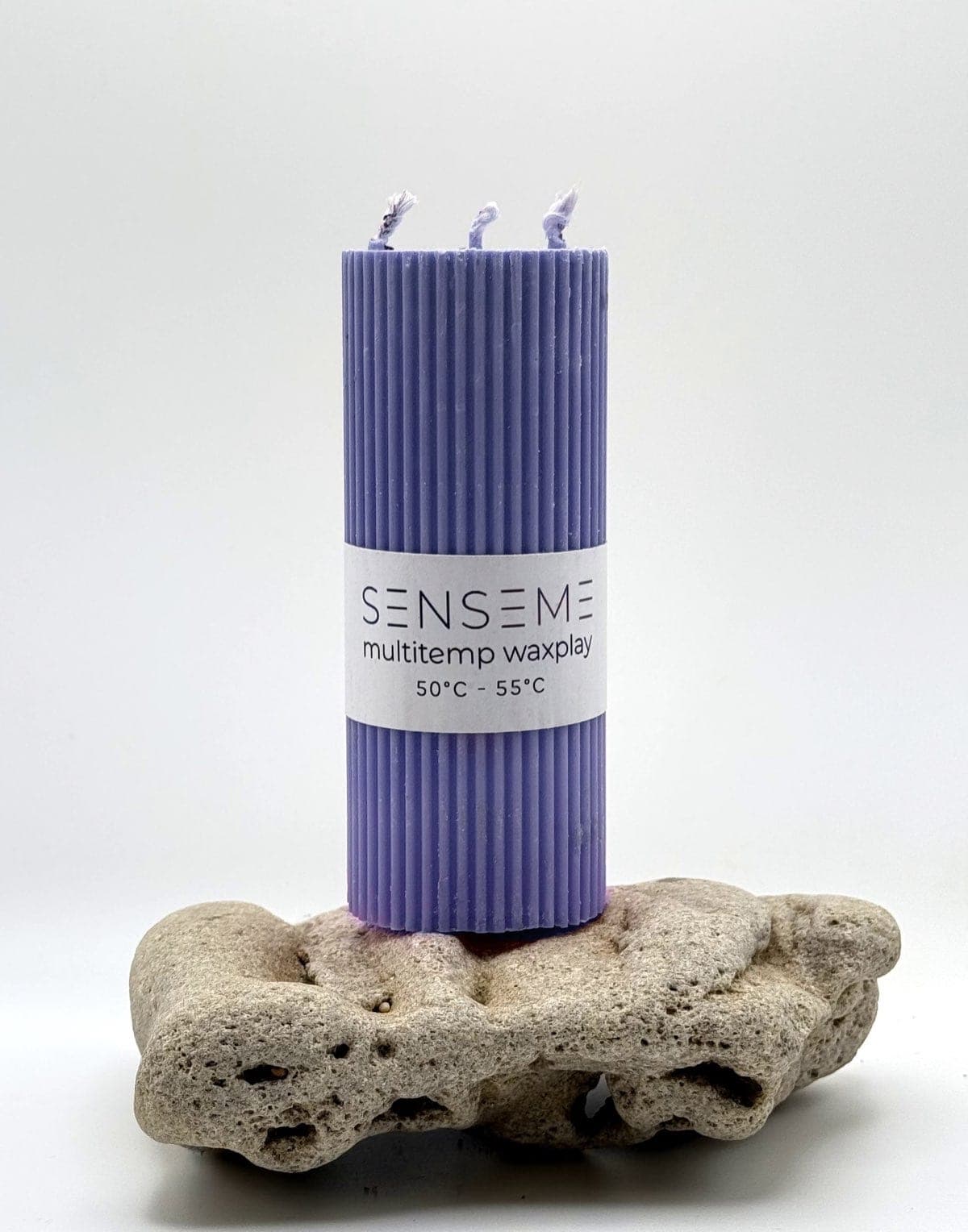
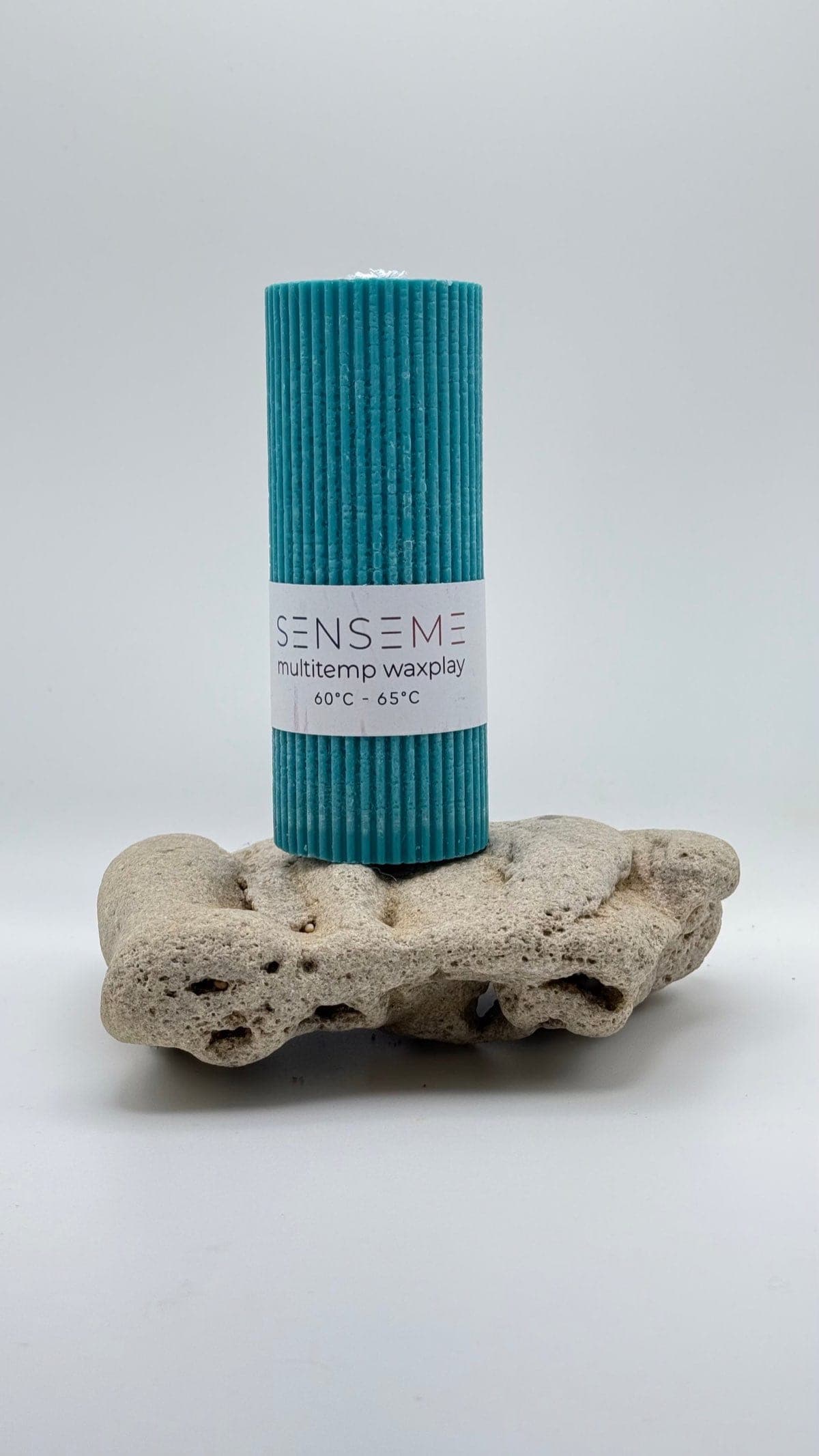
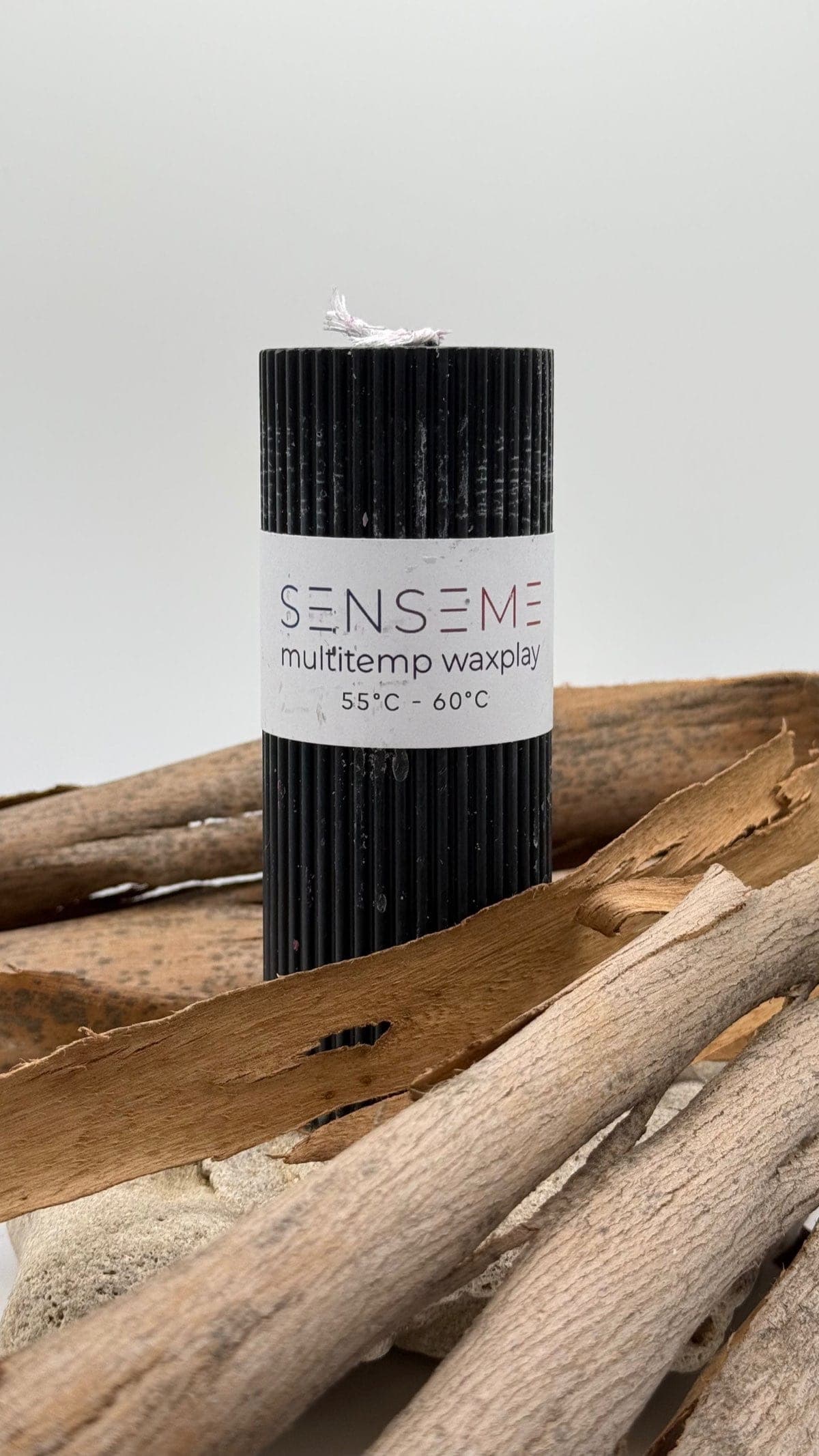
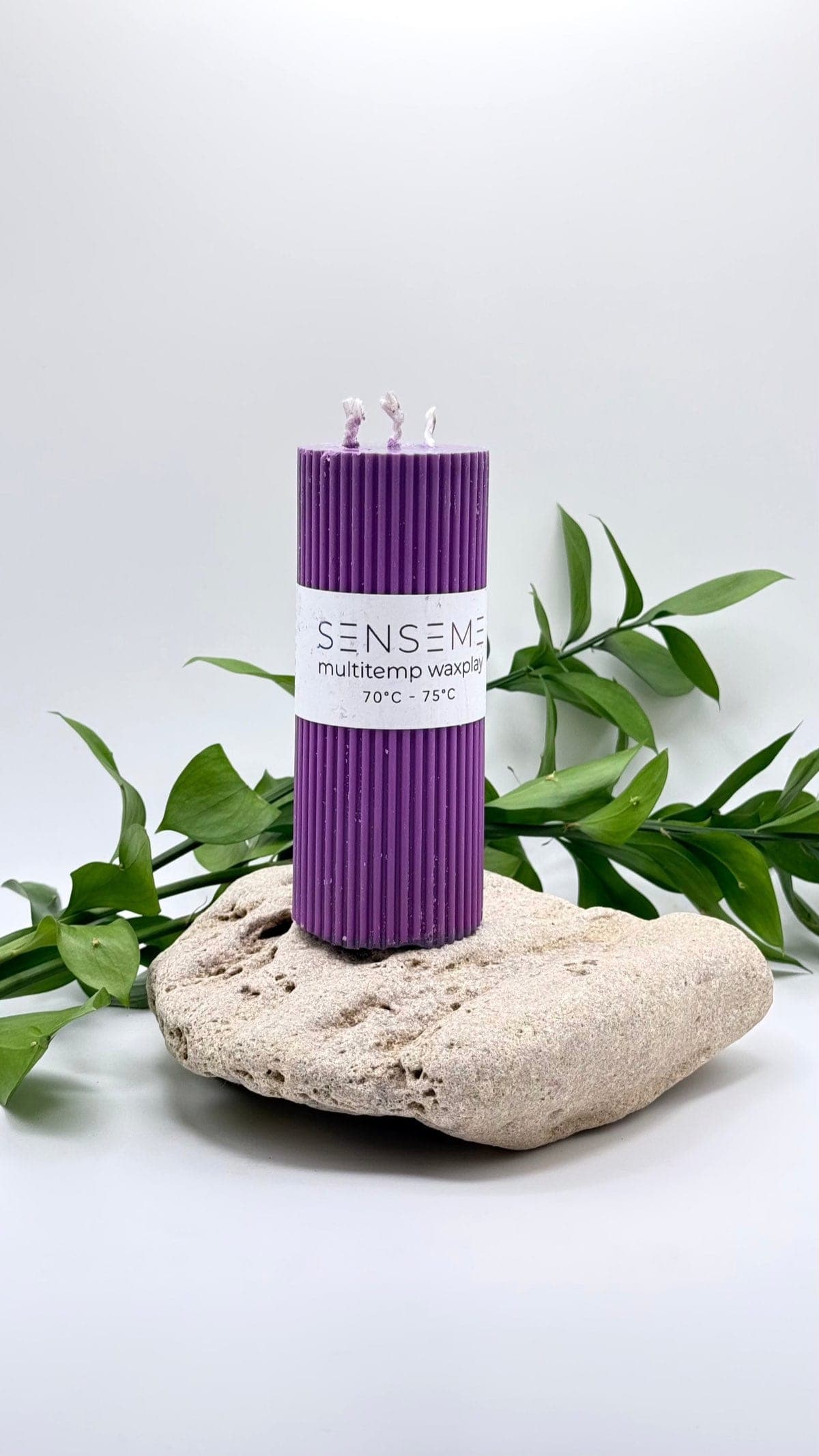
Explore our Blaze tier
Choose advanced candles only if lower temperatures already feel mastered. Blaze works best as a skill-based progression, not as a shortcut.
Explore CollectionHigh Temperature Wax Play FAQ
Can 75°C wax burn skin?
How far should you hold a 70-75°C candle from skin?
How long should high temperature wax stay on one area?
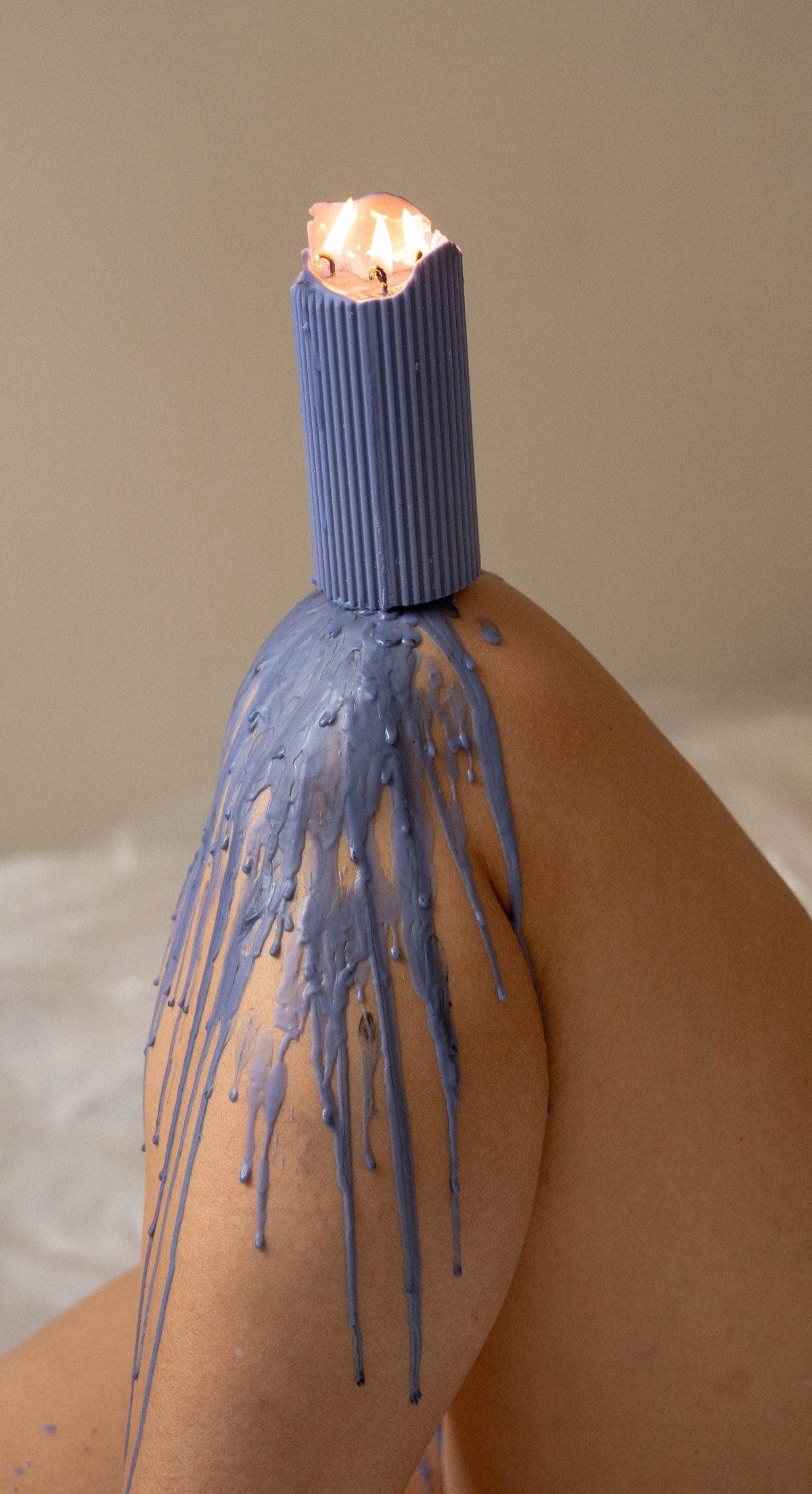
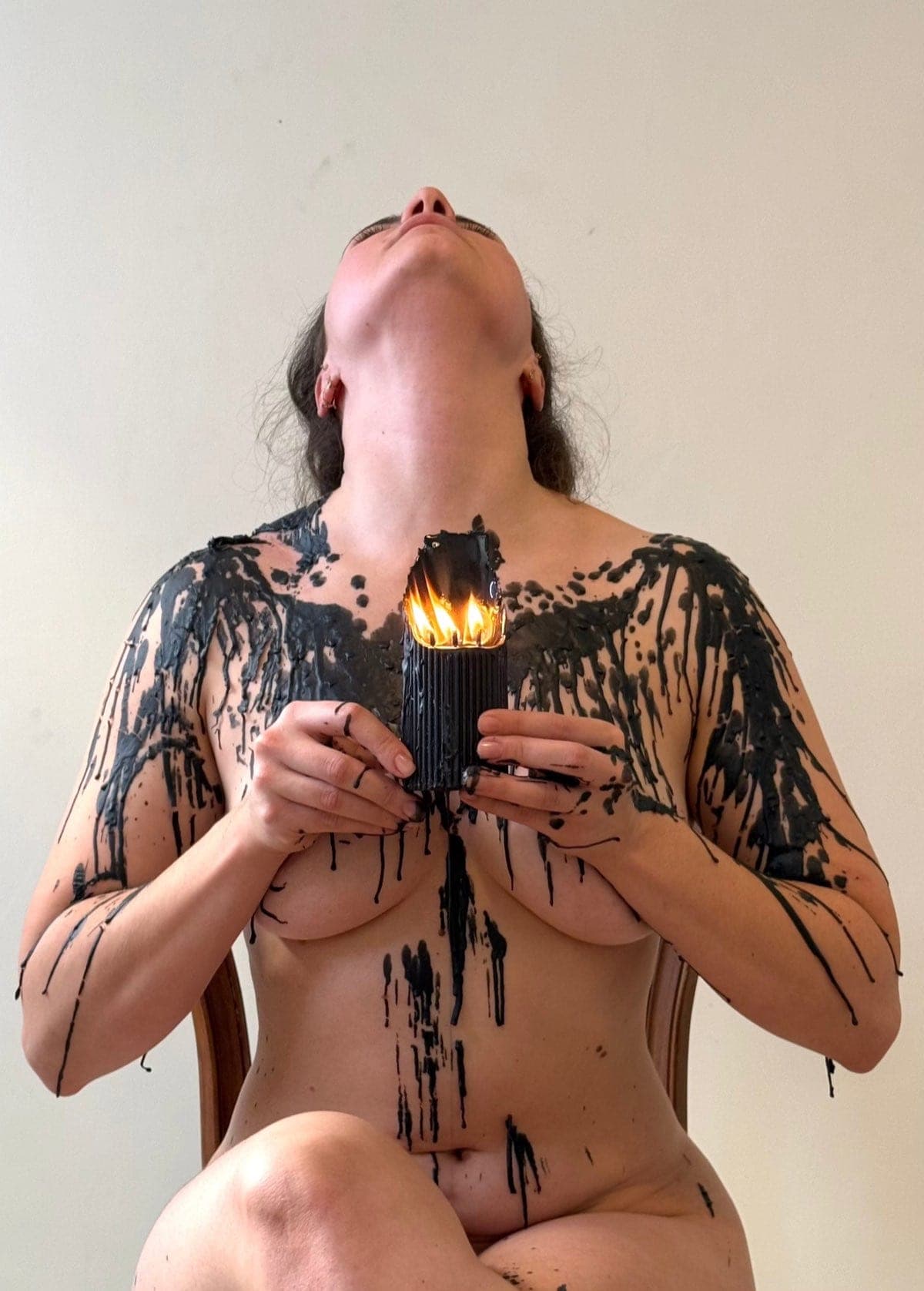
Keep exploring
- Guide
Full Temperature Guide
Intro - complete system overview before Blaze tier.
- Article
Medium Temp Guide
Prerequisites and progression path into advanced temperatures.
- Article
Start With Low Temps
Prerequisites - emphasizes earned progression.
- Guide
Essential Safety Guide
Hero and safety section - detailed protocol for distance, areas, and aftercare.
- Article
Safety Myths Article
Cross-cluster support for readers still resolving safety objections.