
Low Temperature Wax Play (50-55°C): Why Gentle Heat Feels So Intense
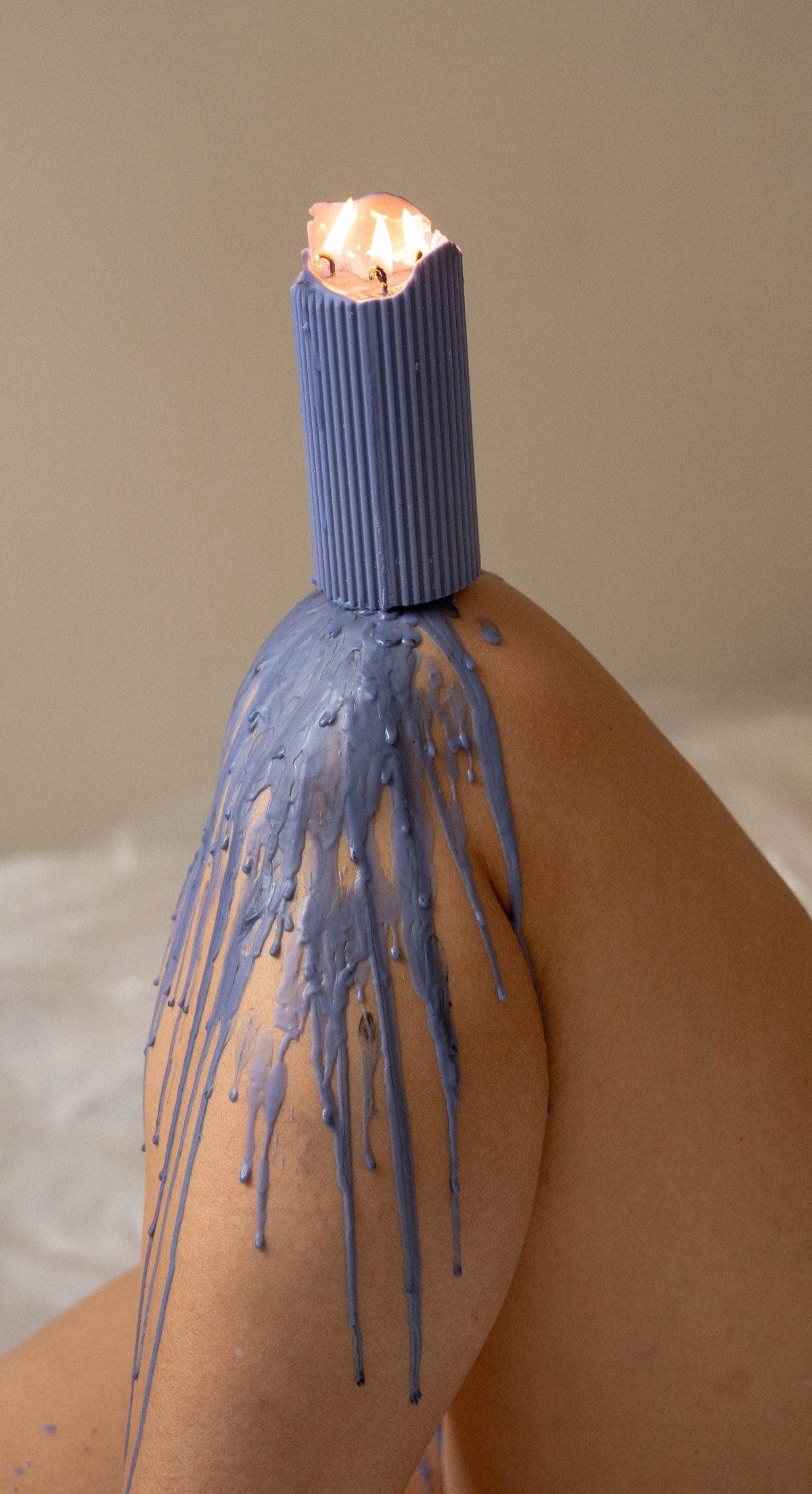
Low temperature wax play is where most good wax play journeys begin, but “low temperature” should not be confused with “boring.” In fact, one of the reasons 50-55°C candles work so well is that they give the nervous system enough room to notice small differences in warmth, pacing, and anticipation. Gentle heat can feel extremely vivid when it lands in a focused, deliberate way.
That surprises beginners. People assume intensity is what makes wax play memorable, so they imagine low-temp candles must be only a safety compromise. In practice, they are often what makes the experience actually enjoyable. A gentler temperature lets you feel the ritual itself: the sound of the wax landing, the pause between pours, the way the warmth spreads and cools. Those details are easier to notice when your body is not busy defending itself from too much sensation too early.
There is a physiological reason for that. Lower temperatures give the skin a clearer, more readable signal instead of sending the whole nervous system into immediate defense. That means the experience can feel more textured and more intimate, not less. For people interested in sensuality, precision, or emotional trust, that is often a feature rather than a compromise.
This is also why low temperature wax play tends to convert well for first-time shoppers: it matches what most beginners actually want. They want enough sensation to feel something meaningful, but not so much that the session becomes a stress test. The Feather tier answers that intent directly.
That alignment between search intent and product fit is exactly why low-temp pages matter in the funnel: they meet curiosity and caution at the same time.
They give beginners a clear yes-path instead of forcing an unnecessary leap.
That matters.
Especially for real first-session confidence.
As a sexologist and the maker behind SenseMe candles, Olga treats the Feather tier as more than an entry point. It is a full category of sensation in its own right. This article explains what happens at 50°C, what changes at 55°C, how to choose between the two, and when low-temp play is the right answer even if you are not a total beginner. For the full range beyond these candles, keep the full temperature guide nearby as you read.
What Happens at 50°C
A 50 degree wax candle usually feels like soft, deliberate warmth rather than sting. The sensation arrives clearly, but it does not demand the same kind of bracing response you get from higher temperatures. That makes 50°C ideal for first sessions, anxious beginners, sensitive explorers, and couples who want the emotional intimacy of wax play before they want stronger heat.
What people notice most at 50°C is the sequence. There is the moment of contact, then a spreading warmth, then the slow transition into cooling wax on skin. Because the temperature is gentler, your attention is free to notice pattern, placement, and emotional response instead of constantly evaluating whether the heat is too much. For many people, that is what makes low-temp play feel so rich. It is not flat. It is legible.
50°C is also the easiest place to learn technique. You can practise pouring height, body-area choice, and pacing without turning every mistake into a high-stakes moment. That learning value is exactly why 50°C deserves to be treated as a real temperature tier, not just as a stepping stone.
It is also the temperature many couples come back to even after gaining experience. Not because they cannot handle more, but because 50°C creates a different style of session. It is ideal when the goal is closeness, tension-building, or a slow sensory ritual rather than sharper contrast. That makes it valuable long after the “beginner” label stops applying.
In buying terms, 50°C is the safest answer when someone asks for the best first wax play candle. It removes the most uncertainty while still delivering a real experience. That combination is hard to beat, especially if the goal is confidence on session one rather than ambition on session one.
What Happens at 55°C
55°C is where gentle wax play starts to feel a little more present. The difference is not extreme, but it is absolutely noticeable. Compared with 50°C, the wax announces itself more clearly on landing. There is still warmth first, but with a sharper edge of awareness that many people describe as more exciting without being overwhelming.
That makes 55°C a useful temperature for two kinds of people. The first is the beginner who already knows they want more than the softest possible entry. The second is the person who tried 50°C and liked it, but wants the next session to feel slightly more defined. In both cases, 55°C lets you stay inside the beginner-friendly range while exploring a sensation with a little more character.
The shift is subtle, but it changes the tone of the session. At 50°C, people often focus on the spreading warmth. At 55°C, they often start noticing the arrival of the wax itself as a distinct event. That difference may sound small on paper, but in practice it changes anticipation, breath, and the way repetition feels over a sequence of pours.
It is also an excellent teaching temperature for contrast. Once you have felt 50°C, 55°C shows how even a small increase changes not just heat, but the emotional tone of a session. The experience feels more “there.” That is the moment many people truly understand why temperature play is about nuance, not only about going hotter.
50°C vs 55°C: Which Should You Start With?
If you are choosing between 50°C and 55°C for a first session, the decision comes down to temperament more than toughness.
Start with 50°C if any of the following are true: you are nervous, you want the widest margin for comfort, you are trying wax play with a cautious partner, or you care more about building trust than pushing sensation. Start with 55°C if you already know you like temperature play, you want the wax to feel more distinct on impact, or you want a first session that still feels beginner-safe but a little less feather-light.
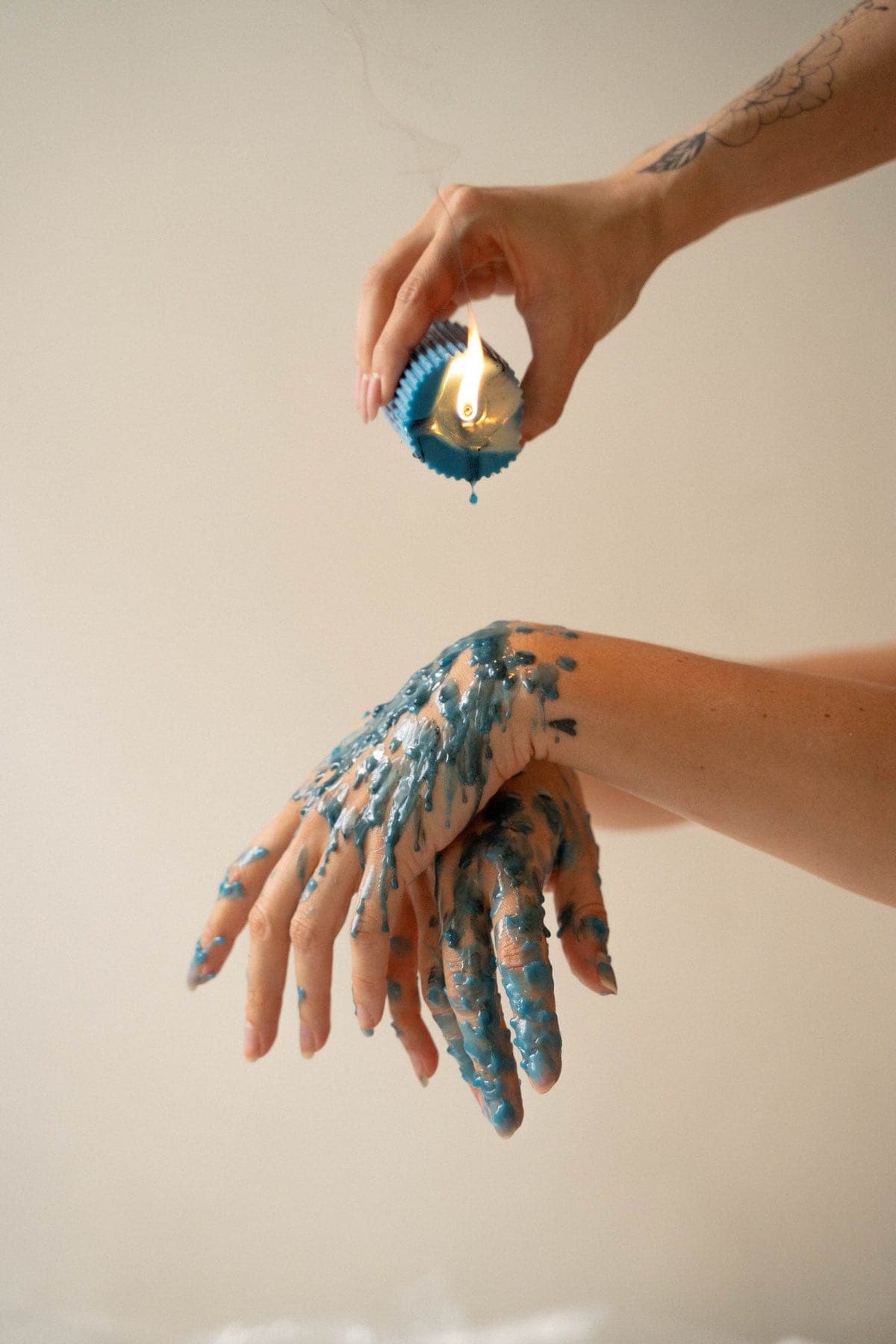
There is also a third answer that many people miss: you may not need to choose only one. A lot of low temp candles for wax play are most interesting in pairs rather than as isolated products. That is because contrast teaches the body something a single temperature cannot. When 50°C and 55°C appear in the same session, each one becomes more noticeable by comparison. That is one reason beginners often enjoy duo formats so much.
A practical decision framework can help. If you want the safest first entry, choose 50°C. If you want one beginner candle with slightly more presence, choose 55°C. If you already know the session is about exploration and comparison, choose both. The right answer is not “which candle is stronger?” but “which candle setup best matches the kind of first experience we want?”
This is where the Duo Holy Intimacy set earns its place in the range. It is not just a bundle. It is a learning format. By putting 50°C and 55°C in direct comparison, it helps people feel the exact progression that makes low temperature wax play so useful as a foundation.
For many shoppers, that side-by-side experience is more valuable than buying one candle now and guessing about the next step later.
If you are shopping for your first candle with a partner, this is where your conversation matters. The right starter candle is not the hottest one either person can tolerate. It is the one both people can stay curious with.
Techniques for Low-Temp Play
Low-temp technique is less about caution and more about precision. Because the temperature is forgiving, you can focus on craft: how high you pour from, how quickly the wax falls, whether you use single drops or short lines, and how long you pause between pours.
For beginners, the simplest pattern is still the best. Start high enough that the wax has a little air time. Use one drop, then pause. Move to a nearby area, then pause again. This spacing helps the receiving partner distinguish one sensation from the next instead of blending everything into one vague impression.
Low-temp play is also ideal for sessions built around pattern rather than escalation. You can create repeated lines, mirrored pours across the back, or alternating warm points that invite anticipation without demanding recovery time after each one. That gives gentle wax play a versatility higher temperatures often cannot match in beginner contexts.
Low temperature wax play also works especially well for layered attention. Instead of chasing intensity, you can build atmosphere: repeated pours across the upper back, alternating left and right sides, or returning to the same zone once the wax has cooled. Gentle wax play rewards patience because it amplifies anticipation rather than overriding it.
If you are doing partnered play, low-temp sessions are also the best place to build communication habits that will matter later. You can practise feedback, pacing, and body reading while the heat remains manageable. That is one reason our couples guide pairs so naturally with the Feather tier.
When to Move to Higher Temperatures
You do not need to leave the 50-55°C range quickly for your wax play progression to count. Some people stay in low-temp play for a long time because they genuinely prefer the atmosphere it creates. Others use it as a foundation and move upward once the sensations feel fully familiar. Both paths are valid.
A few signs you may be ready for the next step: you can predict how 50°C and 55°C will feel before the wax lands, the session feels more relaxing than activating, and you find yourself wanting more contrast rather than simply more pours. That usually means you are ready to learn from a new sensation, not just repeat a known one.
But staying with the Feather tier is not the same thing as being “stuck.” For many people, low temp candles for wax play remain the preferred choice because they create the best mix of safety, intimacy, and repeatability. Progression only matters if it serves the kind of experience you actually want. Sometimes the most skillful choice is not going hotter. It is getting more precise with what already works.
That is one reason the beginner tier keeps earning repeat buyers, not only first-timers.
When that point arrives, the safest progression is not a jump to the far end of the range. It is the next controlled step. That is why the medium temperature guide (60-65°C) exists. Moving from Feather to Ember should feel like education, not escalation for its own sake.
If you want to explore both low temperatures before moving higher, the Duo Holy Intimacy set is the most natural bridge because it lets you compare 50°C and 55°C in one format. For many people, that comparison is what clarifies whether they want to stay with gentle heat or continue upward.
Explore our Feather tier
Start with the safest part of the range and choose the low-temp candle that fits your pace, your partner, and your first-session goals.
Explore Collection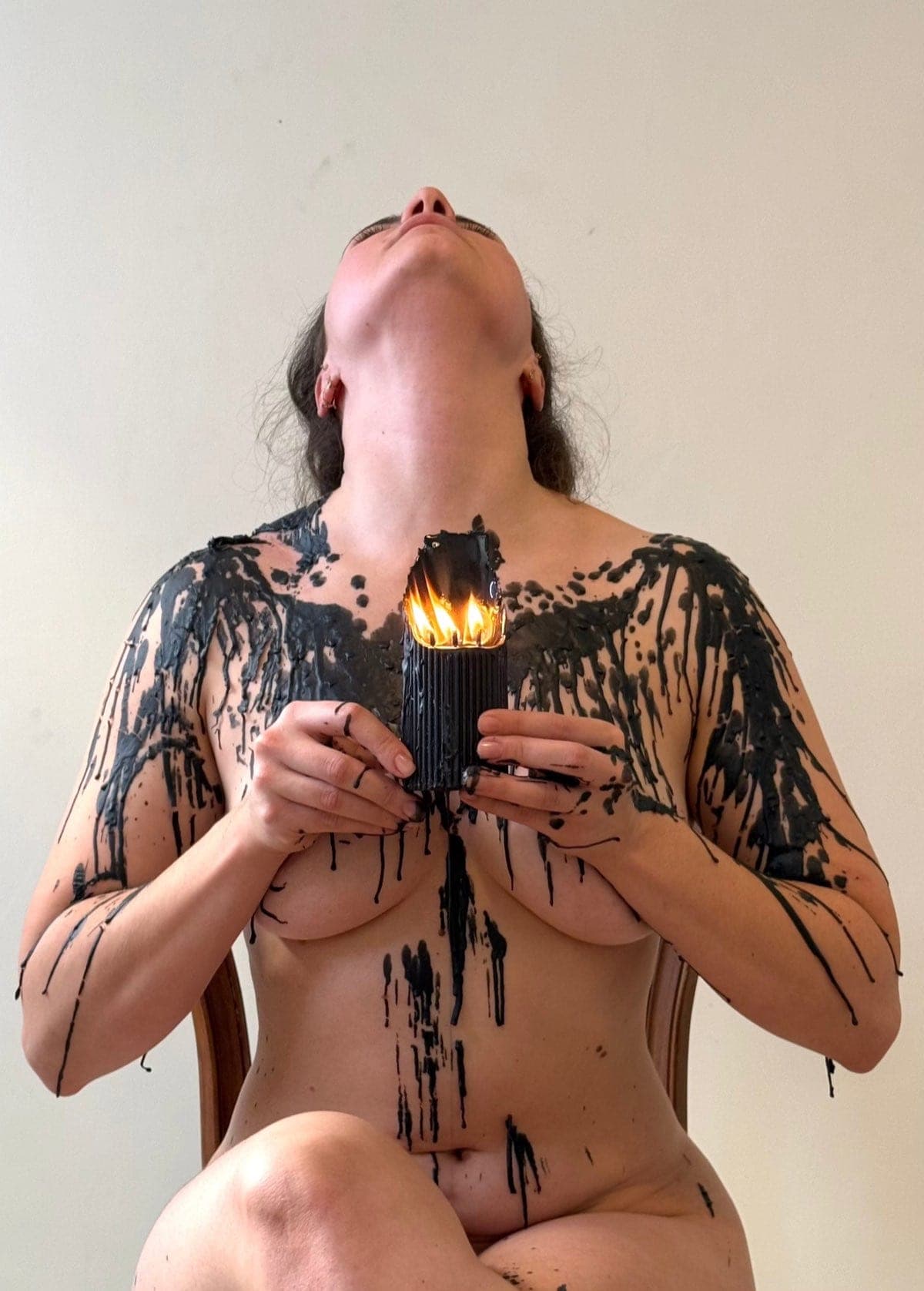
Keep exploring
- Guide
Full Temperature Guide
Intro — broader framework for the whole temperature system.
- Article
medium temperature guide (60-65°C)
Progression section — natural next step after mastering Feather tier.
- Guide
Beginner'S Guide
Low-temp positioning — foundational setup for first sessions.
- Article
Couples Guide
Technique section — relational framing for partnered low-temp sessions.