
Wax Play for Couples: How to Bring It Up and Where to Start
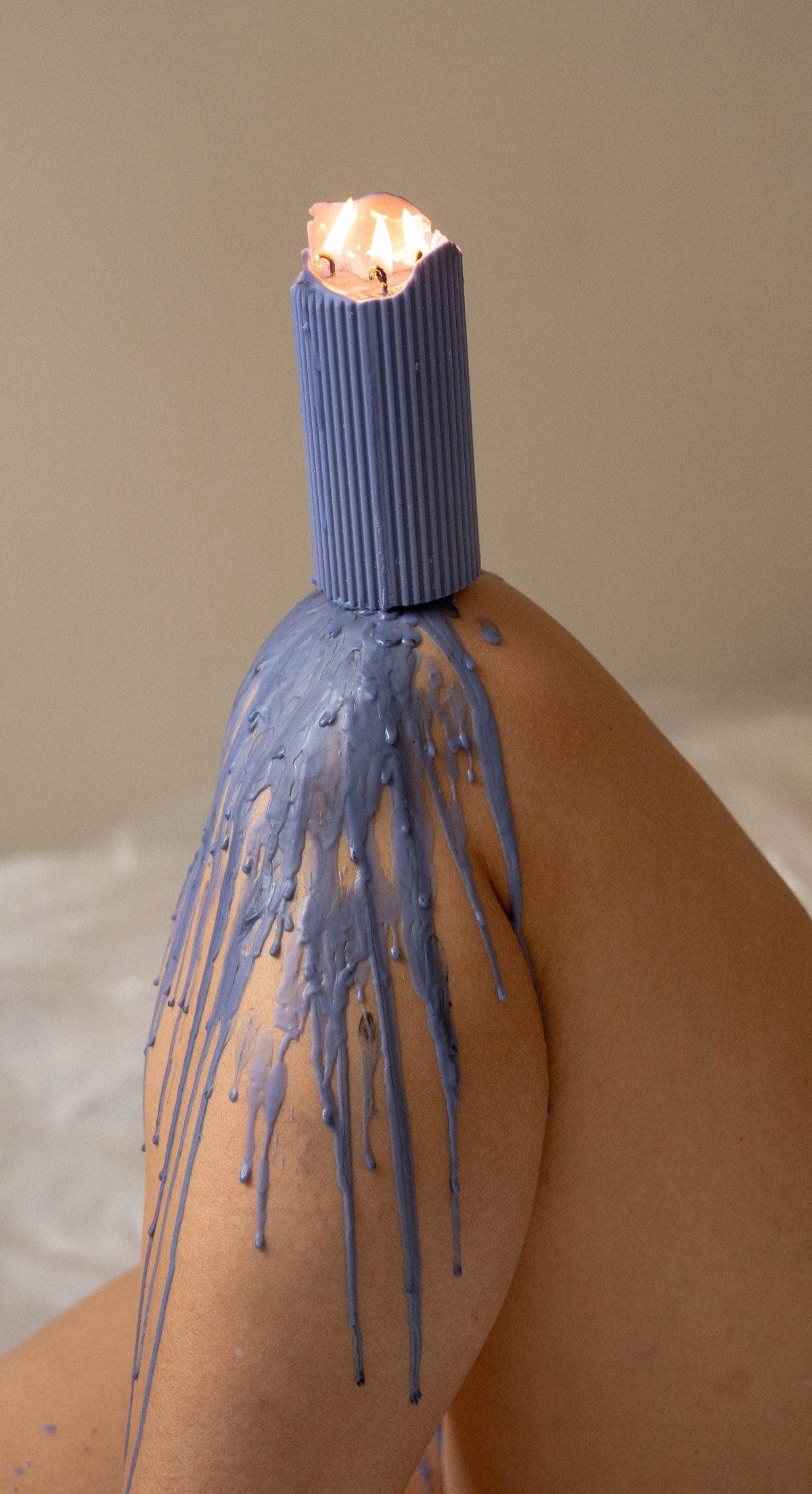
Wax play for couples usually starts long before the candle is lit. It starts with curiosity, a little nervous laughter, and the question many people never ask out loud: “Would this feel exciting for us, or just awkward?” The good news is that for most couples, the conversation itself is much less dramatic than the fantasy around it. When wax play is introduced as a form of guided sensation, not as a test of kink credentials, it becomes easier to place inside real-life intimacy.
More couples are exploring rituals that feel embodied, slow, and intentional rather than purely goal-oriented. Wax play fits that shift well. It combines anticipation, warmth, trust, and communication in a way that can feel playful for one couple, deeply sensual for another, and lightly edgy for a third. It does not need to be “hardcore” to be meaningful. In fact, for first-timers, the most memorable part is usually not intensity. It is the feeling of paying attention to each other in a new way.
As a sexologist and the maker behind SenseMe candles, Olga recommends treating a first wax session as a shared sensory experience rather than a performance. That mindset lowers pressure and raises the odds that both partners stay curious. If you are completely new, our complete beginner's guide walks through the foundations. In this article, the focus is narrower: how to talk about wax play with your partner, what you need for a smooth first try together, and how to make the experience feel intimate instead of intimidating.
How to Talk About Wax Play With Your Partner
The best time to introduce wax play is not in the middle of sex and not as a surprise. Bring it up when both of you are relaxed, dressed, and able to answer honestly. A low-pressure opener works best: “I found this kind of temperature play that looks sensual and beginner-friendly. Would you be open to talking about it?” That framing matters because it invites discussion instead of forcing a yes-or-no reaction to a fully formed scenario.
If your partner is curious but cautious, stay concrete. Explain that beginner wax play does not mean pouring random household candle wax on skin. It means using a body-safe candle with a known melting point, starting at a gentle temperature, agreeing on body areas in advance, and checking in throughout. Specifics reduce fear. Vagueness increases it.
It also helps to answer the three concerns couples usually have before they say them out loud: “Will it hurt too much?”, “Will this get awkward?”, and “What if one of us likes it more than the other?” All three are normal. The first is solved by starting low. The second is solved by keeping the first session short and structured. The third is solved by treating feedback as information instead of as a verdict on compatibility. New erotic experiences do not need identical reactions to be successful. They need honesty, pacing, and enough psychological safety that both people can stay present.
A helpful consent framework is simple:
- Name the idea. “I want to try warm wax as a sensation game together.”
- Name the boundaries. “We can keep it to back and thighs, and we stop the second either of us wants to stop.”
- Name the pace. “We can do one short session, not a whole evening, and keep it light.”
- Name the exit. “If either of us says no, that is the end of it with zero pressure.”
That last point matters. One of the biggest reasons couples avoid new erotic experiences is the fear that saying no will disappoint the other person. Remove that pressure up front. If your partner says no, the correct response is not persuasion. It is appreciation for the honesty. Ironically, that is what makes future yeses more likely, because trust stays intact.
If the conversation goes well, resist the urge to turn it into a full planning meeting. Agree on the basics, then move to practical preparation. The goal is to create enough structure to feel safe without draining all of the anticipation. If you want a companion piece on planning and supplies, our upcoming first-time checklist covers the practical setup in even more detail.
What You Need for Your First Session Together
The first session goes better when you remove friction before you begin. That means having the right candle, protecting the space, and deciding on a few basics so nobody has to improvise with a lit flame in hand.
Start with the candle itself. This is the point where many couples either set themselves up for a beautiful first experience or create unnecessary stress. A body-safe wax play candle is designed to melt at a predictable temperature and to land on skin in a controlled way. A regular decorative candle is not. If you want wax play to feel sensual rather than risky, the candle is not the place to cut corners.
For a couple's first session, keep the checklist short:
- One beginner-safe candle. Something in the 50-55°C range is ideal for learning how warm wax feels on skin.
- A towel or dark sheet. This protects bedding and lets you focus on each other instead of cleanup anxiety.
- A clear body map. Agree in advance where wax is welcome and where it is not.
- A stop word or stop signal. Make it simple and easy to remember.
- Aftercare basics. Water, a warm cloth, and a few minutes of calm time together afterward.
There is also a subtle emotional reason to keep the first setup minimal. Too many props can make the experience feel performative, especially if one partner is more nervous than the other. One good candle, one protected surface, one clear agreement: that is enough for a first shared session.
Think about environment the same way. You do not need a cinematic bedroom setup. Soft lighting, privacy, and ten unhurried minutes matter more than aesthetics. If you are trying wax play after a long day, do a little friction removal in advance: phones off, room warm enough that bare skin feels comfortable, towel already down, water nearby. Small logistical details create a surprisingly big emotional effect because they communicate, “We planned for this together.” That shared preparation often becomes part of the intimacy itself.
If you are deciding where to start, the safest entry point is a low-temperature candle rather than a “see if we can handle more” approach. Couples who begin gently tend to want a second session. Couples who start too intense often spend the entire experience evaluating discomfort instead of enjoying discovery. Our safety and aftercare guide explains exactly why lower temperatures create more room for curiosity.
Step-by-Step First Wax Play Session for Two
A good first wax play session for couples should feel guided, not chaotic. The easiest way to create that feeling is to move in a simple sequence.
1. Set the frame before you light the candle.
Decide who will pour first, where wax is allowed, and what signal means pause or stop. Keep the first allowed zones generous and low-pressure: upper back, shoulders, or outer thighs. Those areas are easier for beginners because they can handle heat more comfortably than thinner or more sensitive skin.
2. Build anticipation without rushing.
Light the candle and let the wax pool form properly. Use that minute or two well. Ask one final check-in question: “Still feeling good about trying this?” A calm yes here does more for the mood than any seductive script. It tells both of you that consent is active, not assumed.
3. Start higher and slower than you think you need to.
For a first pour, keep the candle high enough that the wax has a little air time to cool. One small drip is plenty. The receiving partner does not need a dramatic stream to understand what wax play feels like. In fact, starting with one measured drop often creates a better reaction because it leaves space to notice surprise, warmth, and the texture shift as the wax cools.
4. Narrate lightly, not constantly.
The partner pouring can say a few grounding things: “One drop.” “Upper back.” “Tell me if you want less or more.” That kind of light narration helps the receiving partner stay oriented without breaking the atmosphere. Silence can be erotic. So can clarity. You do not need to choose one over the other.
5. Let the session develop in layers.
After the first few drops, you can build simple patterns instead of chasing intensity. Try a line across the upper back. Then pause. Then a second line lower down. Then a cluster across the shoulder blade. Spacing pours apart gives the nervous system time to read each sensation. That is what makes beginner wax play feel rich rather than overwhelming.
6. Switch roles only if both of you still want more.
Many couples assume fairness means equal turns in the same session. It does not. If one partner loved pouring but the other only wants to receive today, that is still a successful session. If both want to switch, relight the sense of structure first: new check-in, new agreed body areas, new first drop. Treat the role switch as a new mini-session, not as an automatic continuation.
If the mood shifts mid-session, adapt instead of forcing the original plan. Sometimes the first few drops feel exciting and then one partner realizes they prefer the anticipation more than the sensation itself. Sometimes the opposite happens and confidence grows quickly. Neither response is wrong. The skill couples build through wax play is not “sticking to the script.” It is noticing what is happening in real time and adjusting together. That is one reason this practice can feel unexpectedly bonding even at very low temperatures.
The highest-converting mistake to avoid here is trying to make the first session “worth it” by doing too much. The best first wax play session for couples ends with both people thinking, “We could absolutely do that again.” If you want a deeper primer on how temperature changes sensation, our low-temperature wax play guide is the natural next read.
Aftercare for Couples: What Happens After the Wax
Aftercare is where wax play becomes relationship content rather than just sensation content. Once the wax cools, remove it gently, wipe the area with a warm cloth if needed, and shift your attention from technique back to each other.
For couples, the key question is not “Did we do it right?” It is “What did that feel like for you?” That wording matters because it invites description instead of evaluation. One partner may remember the first drop. Another may remember the anticipation before it landed. Someone may say it felt more tender than sexy. Someone else may want the next session to be hotter, slower, or shorter. All of that is useful information.
Practical aftercare is simple: water, warmth, softness, and a little time. Relational aftercare is just as important. Stay close for a few minutes. Hold each other. Debrief without turning the moment into a performance review. If one partner felt hesitant or unexpectedly emotional, that does not mean the session failed. It means something real happened and deserves a calm response.
If the session was only “pretty good,” that is still an excellent first result. Couples often expect a brand-new intimate practice to feel instantly polished. In reality, the first session is usually about calibration. Maybe the wax was perfect but the conversation beforehand felt rushed. Maybe the sensation worked, but the receiving partner wants more warning before each pour. Maybe one candle felt right and a second temperature would be too much for now. Those details are exactly what help your second session feel more natural, more confident, and more connected.
This is also where wax play can deepen intimacy in a way many “spicy ideas” never do. It gives couples a structured reason to practise attention, feedback, pacing, and trust. Those skills do not disappear when the candle goes out. They carry forward into the rest of the relationship. For skin-focused recovery tips, wax removal, and what normal redness looks like, our wax play aftercare guide goes deeper.
Ready to try wax play together?
Start with our Beginner collection to keep your first session gentle, safe, and easy to repeat.
Explore Collection