
What Does Wax Play Feel Like? Your First Session, Minute by Minute

A first wax play session usually feels less dramatic and more immersive than people expect. There is the pause while the candle melts, the first flicker of anticipation, the surprise of the first drop, and then a sequence of sensations that change quickly: heat landing, warmth spreading, wax cooling, skin noticing what just happened. For beginners, the biggest surprise is often not pain. It is how specific and focused the sensation feels.
That is exactly why so many people search for what wax play feels like before they try it. They are not only asking about temperature. They are asking what happens emotionally, what reactions are normal, and how the session tends to unfold in real time. Knowing that rhythm in advance lowers anxiety and makes it easier to stay present.
Expectation does not ruin the experience. It usually improves it. When people have a basic timeline in mind, they stop interpreting every pause or reaction as a warning sign. The first few minutes become easier to read, and that makes the whole session feel more grounded. In other words, knowing what to expect does not make wax play less exciting. It makes the excitement easier to enjoy.
That is particularly useful for anyone who feels mentally curious but physically uncertain. A first session becomes less about “Can I handle this?” and more about “What does this specific temperature, pace, and body area feel like for me?” That shift in framing often changes the whole tone of the experience.
Clarity turns nerves into usable information.
And usable information is what makes session two better than session one.
As a sexologist and the maker behind SenseMe candles, Olga recommends approaching a first session as an experience to observe, not a challenge to pass. When people know what to expect, they stop treating every reaction as a potential problem. They can tell the difference between surprise and danger, between warmth and overload, between “I need a pause” and “this is working.” If you want the technical foundation behind the experience, keep our step-by-step beginner's guide open. This article is about the felt timeline: what happens, when it happens, and what it usually means.
The First Drop (0-5 Minutes)
The first five minutes of wax play are mostly about orientation. Before any wax lands, there is already sensation in the room: watching the candle pool form, feeling your body wait, hearing the pourer move closer. That anticipation matters because it changes how the first drop is received.
At lower temperatures, especially 50-55°C, the first drop tends to register as concentrated warmth with a strong element of surprise. It often feels more precise than a warm bath or massage because the sensation arrives in one exact point before spreading outward. At 60°C and above, the sensation becomes more distinct and more attention-grabbing. The nervous system notices the edge of it immediately.
The receiving partner often reacts in one of three ways: a breath catch, a laugh, or a very still moment of concentration. All three are normal. Beginners sometimes assume they should react in a particular way, but the body is usually too busy collecting information for that. One drop is enough to teach you a lot: how the temperature lands, whether the distance feels right, and whether the body area you chose was a good beginner choice.
Body area changes this first impression more than many people expect. The same candle can feel broad and almost soothing across the upper back, then much more focused on a smaller or thinner-skinned zone. That is another reason the first session should stay simple. You are not only learning the candle. You are learning how your body reads location, pacing, and anticipation together.
That is why a strong first session does not begin with intensity. It begins with one measured pour and enough pause afterward to actually notice it. If you are using a beginner candle, the first drop is less about testing your tolerance and more about calibrating your attention.
Choose your temperature
Building Patterns (5-15 Minutes)
Once the first few drops are no longer a mystery, the session starts to develop rhythm. This is where wax play moves from “What is happening?” to “What do we want more of?” Some people like single drips spaced apart. Others like short lines, repeated pours over the same general area, or alternating between two nearby zones so the body gets contrast rather than repetition.
Technique starts mattering more here. Pouring speed changes the feel. So does height. So does body area. The upper back tends to feel broad and absorbent. Shoulders can feel more focused. Outer thighs often give a clear, readable sensation without being too demanding. These differences are why a first session can feel surprisingly varied even with one candle.
This middle section is also where many beginners start understanding why wax play can feel intimate instead of purely physical. The receiving partner is not only feeling heat. They are tracking pacing, pauses, and the way the pourer responds to feedback. The pourer, in turn, is learning to read muscle tension, breathing, and silence. Done well, the session starts to feel less like “applying wax” and more like a structured form of attention.
Tempo matters here. If the pours come too quickly, the receiving partner has less time to interpret each sensation. If they come too slowly, the session can lose continuity. The sweet spot for beginners is usually slower than they first imagine: enough pace to keep the ritual alive, enough pause to let each moment register. That measured rhythm is often what makes a first session feel confident instead of clumsy.
If you are doing the session with a partner, keep your technique a little simpler than your curiosity wants. Straight lines beat experimentation on session one. Consistency builds trust. The more predictable the pours are, the easier it is for the receiving partner to relax into the sensation and ask for small adjustments rather than brace for surprises.
When to Stop and Aftercare (15-30 Minutes)
Most first wax play sessions do not need to be long to feel complete. By the 15-minute mark, you usually already have enough information to know whether the temperature, the pacing, and the mood are working. This is the point where beginners benefit from asking a very simple question: do we want more, or do we want to end while it still feels good?
This is also where people learn that a “successful” session does not have to be the longest or hottest one. Ending on curiosity is often smarter than ending on fatigue. If both people finish with the feeling that the session could continue another day, that is usually a stronger result than pushing until someone starts disconnecting from the experience.
Stopping well is part of the skill. Good reasons to stop include skin feeling more sensitive than expected, one partner wanting to process instead of continue, the body shifting from curious to guarded, or simply feeling satisfied. None of those mean something went wrong. In a first session, stopping at the right moment often produces a stronger memory than extending the session for the sake of “making it count.”
Aftercare starts the second the wax portion ends. Let the wax cool fully, peel it slowly, and check how the skin looks. A little warmth, temporary redness, or a lingering heightened sensation can all be normal. After that, the session shifts from sensation to regulation: water, touch, a blanket if wanted, and a few minutes to talk about what stood out.
This part is especially important because the body and mind do not always process the experience at the same speed. One person may feel energized, another quiet, another unexpectedly tender. All of those are ordinary responses to a new, focused sensory experience. They only become confusing when people expect to feel nothing after it ends.
Common Reactions and What’s Normal
One of the most useful things to know before your first session is that “normal” in wax play includes a surprisingly wide range of reactions. Warmth that lingers for a few minutes is normal. Mild redness is normal. Wanting a pause after only a few pours is normal. Feeling awkward for the first two minutes and then suddenly relaxed is normal too.
Even the day-after interpretation can vary. Some people remember the heat most vividly. Others remember the anticipation, the closeness, or how much easier it became once they understood what the first drop actually felt like. That is why first sessions are so valuable: they replace fantasy, fear, and projection with real information. Once you have that information, choosing the next temperature or planning the second session becomes much easier.
Emotionally, people often cycle through curiosity, concentration, and a kind of relief once they realize the session is not overwhelming. Some laugh because the first sensation is less scary than expected. Some go quiet because they are tracking every detail. Some feel more connected afterward simply because they had to communicate clearly in a way everyday life rarely demands.
What is not normal is feeling pressure to keep going when your body is giving clear “enough” signals, or treating every reaction as proof you are either good or bad at wax play. A first session is an information session. The goal is not perfection. The goal is to learn what this particular temperature, body, and dynamic feel like together.
If you want to prepare well before trying it, our preparation checklist will help. If you are trying it with a partner, our guide for couples gives the conversation side of the experience. And if the strongest question you have after reading this is “which temperature sounds like us?”, that is exactly what the temperature guide is for.
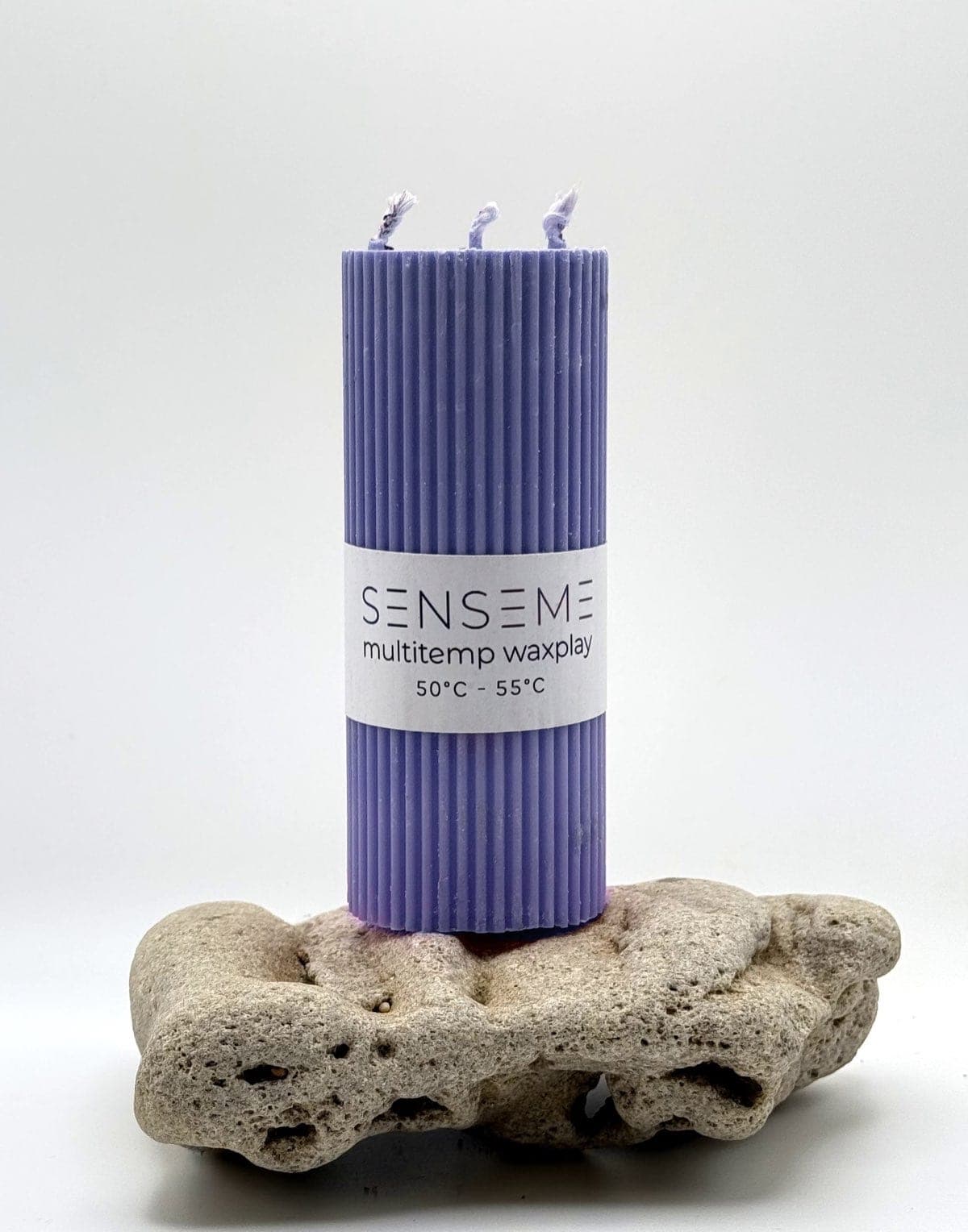
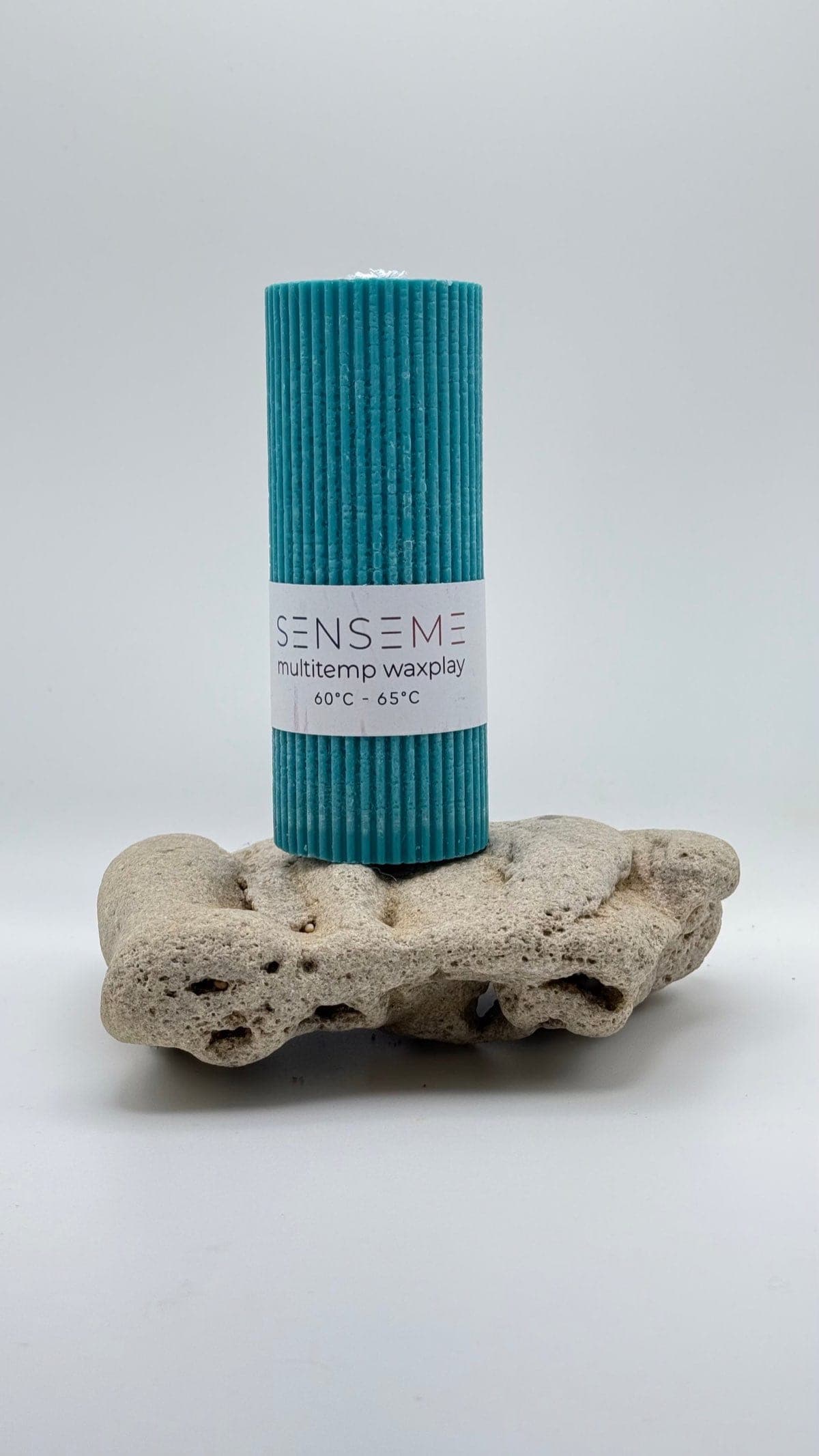
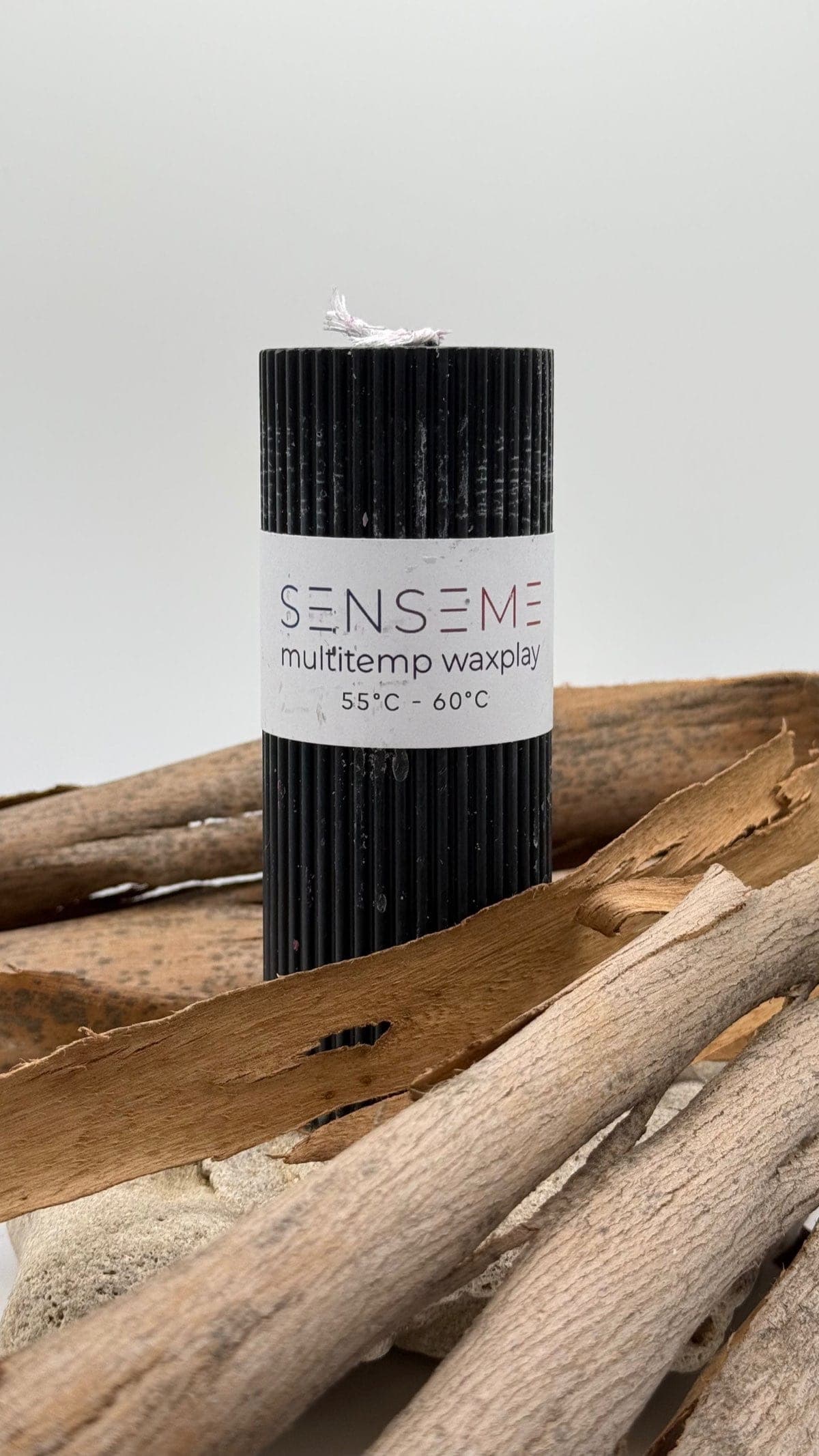

Choose your temperature
If you know what a first session feels like, the next smart step is choosing the temperature that matches the kind of experience you want.
Explore Collection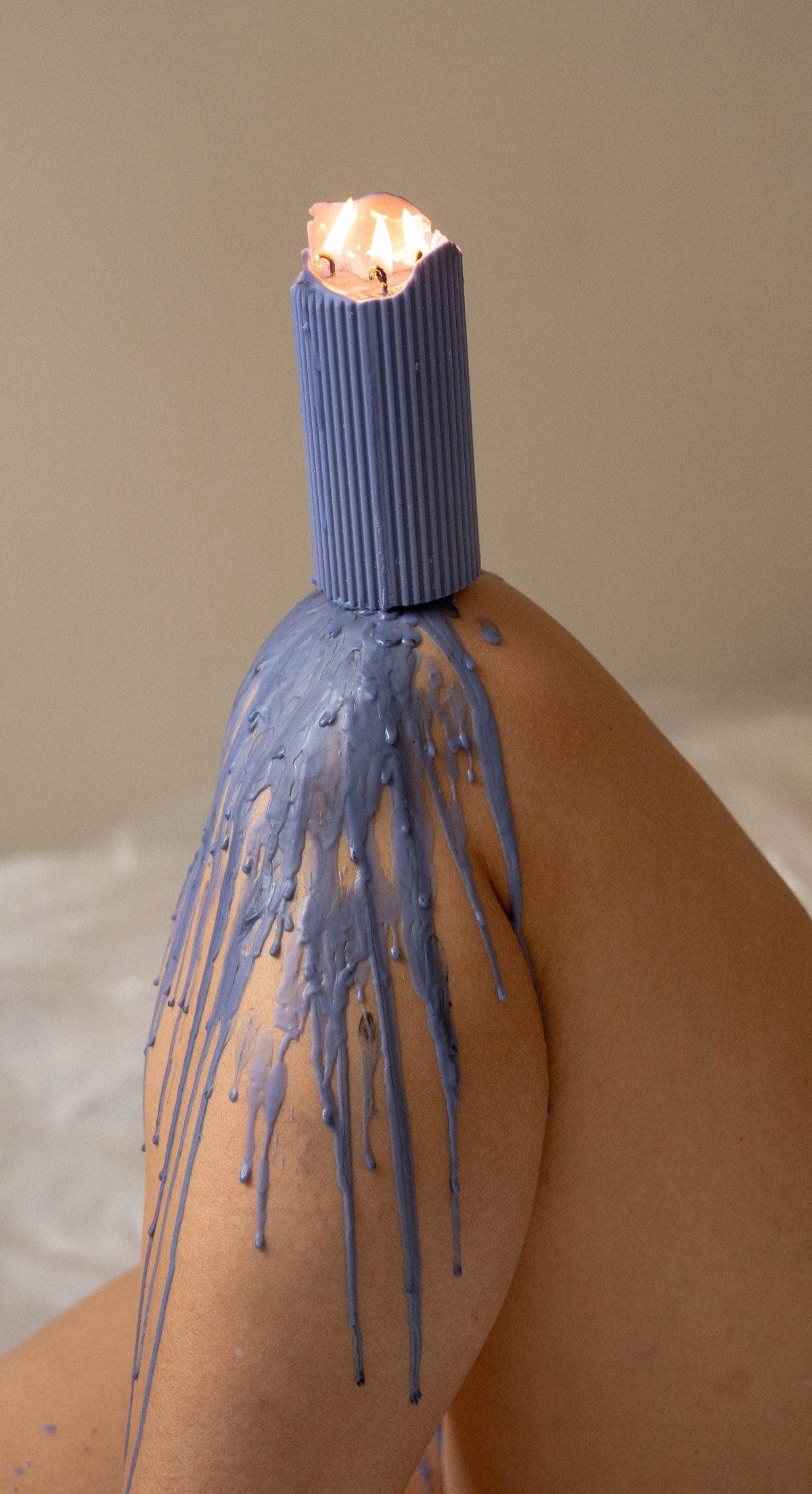
Keep exploring
- Guide
Step-By-Step Beginner'S Guide
Intro — technical companion for complete beginners.
- Guide
Temperature Guide
Intro, first drop, and final CTA — explains how heat changes sensation.
- Article
Guide For Couples
Common reactions section — helps readers planning partnered sessions.
- Article
Preparation Checklist
Common reactions section — practical pre-session preparation.