
Wax Play Aftercare: How to Care for Your Skin Before, During & After
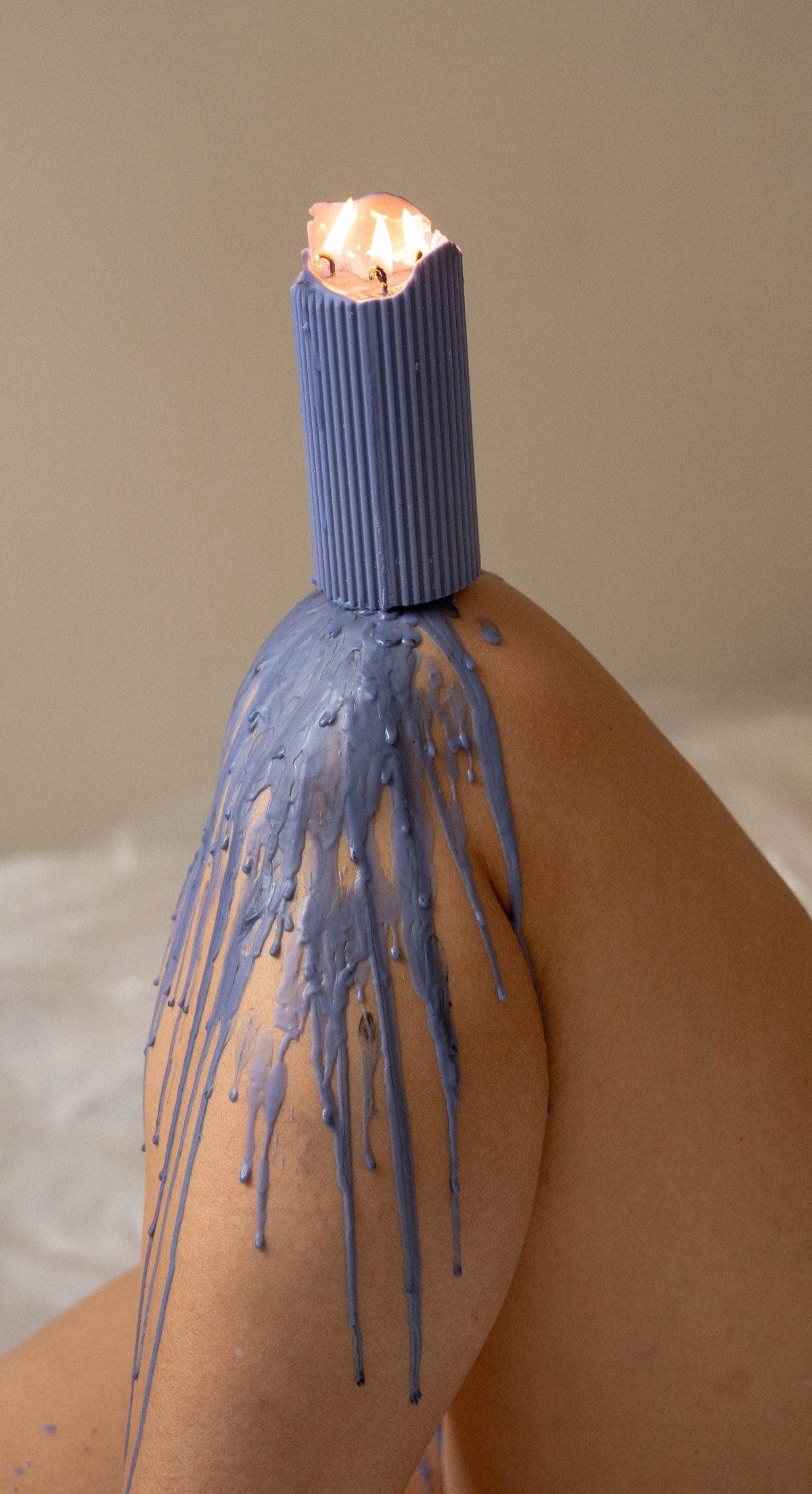
Wax play aftercare starts long before the wax cools on skin. If you only think about aftercare once the session is over, you are already too late. The way skin is prepared, the way temperature is paced, and the way wax is removed all shape how recovery feels afterward.
This matters because many of the most common questions people ask after a session are really preparation questions in disguise. Why is the skin red? Should I use oil first? How do I remove wax without irritating the area? What is normal after a few hours, and what means I overdid it? A good aftercare routine answers those questions before they become stress.
It also changes whether the body remembers the session as pleasurable or irritating. Good recovery makes people more willing to try again. Poor recovery, even after an otherwise good scene, can make the next session feel harder to approach. Aftercare is part of retention as much as comfort.
In that sense, recovery is not the end of wax play. It is the part that decides how the experience will be remembered.
That is why it deserves its own guide.
It shapes everything that follows.
Including whether you want a next time.
That is a practical reason to take it seriously.
Not a decorative one.
It changes the outcome.
Directly.
As a sexologist and the maker behind SenseMe candles, Olga treats aftercare as part of the experience itself, not as the cleanup phase. That mindset changes outcomes. When aftercare is planned, the body comes down more smoothly, the skin usually looks and feels better, and the next session is easier to approach with confidence. This guide covers the full arc: what to do before, what to watch during, what to do after, and how to support both skin and emotional recovery well.
Before: Skin Preparation
Skin preparation for wax play should be simple, not obsessive. Clean skin is the baseline. Hydrated skin helps too, but that does not mean loading the area with heavy lotion right before the session. Too much product changes how wax lands and can make the first pours feel less predictable.
The oil debate is real because both approaches have advantages. A very light layer of oil can make wax removal easier later and leave the skin feeling softer afterward. Bare skin, on the other hand, gives a cleaner read on how the temperature itself feels. For beginners, the safest answer is to test your preference with one or two drops rather than deciding in theory.
A patch test belongs here, not in the middle of the session. One small drop on the wrist or forearm gives you useful information about sensitivity, comfort, and whether the chosen candle feels appropriate on your skin that day. That matters even more if you have reactive or dry skin, because conditions change. Good pre-care is not about ritual perfection. It is about removing preventable surprises.
If the area was freshly shaved, exfoliated, or already irritated, that should factor into the decision too. Sometimes the best skin-care move is postponing the scene by a day. Preparing well includes knowing when your skin would prefer patience over plans.
During: Reading Your Skin
One of the most important aftercare skills actually happens during the session: learning to read skin in real time. Wax play recovery is easier when the session itself stays inside good limits. That means knowing the difference between a normal response and a warning sign.
Normal can include warmth, brief redness, heightened sensitivity, and skin that looks visibly "awake" after a pour. None of those automatically mean something went wrong. They often mean the body noticed the heat exactly as expected. What matters is the pattern. Does the reaction settle? Does the person feel okay? Is the sensation fading the way it should?
Concern starts when the reaction escalates instead of settling: pain stays sharp, an area looks wrong rather than simply flushed, or the receiving partner shifts from engaged to guarded. That is the moment to stop, cool down, and shift into care mode instead of pretending the session should continue. The best in-session aftercare decision is often restraint.
Words help, but observation helps too. Watch breathing, muscle tension, and whether the body is receiving the next pour or protecting itself from it. Reading skin well is part visual, part relational, and it begins long before the wax is peeled away.
After: Wax Removal
If you are searching "how to remove wax from skin," the good news is that proper wax play removal is usually less dramatic than people expect. Let the wax cool and firm up fully first. Then lift one edge gently and peel slowly. Patience beats force every time.
For small leftover patches, a warm damp cloth is usually enough. Some people like a gentle scrub, but the word gentle matters. Right after a temperature-based session, the skin does not need aggressive exfoliation. It needs calm handling. If you used a very light oil before the session, removal may be even easier, which is one reason some people prefer it for longer scenes.
The biggest removal mistake is trying to make the process efficient instead of comfortable. Fast rubbing, harsh scraping, or over-cleaning can irritate the skin more than the wax did. A good rule is simple: if the removal method feels harsher than the session, you are doing too much.
Good removal is one of the quiet signs that the candle, the temperature, and the pacing were aligned properly. When recovery feels manageable, that is usually evidence of a well-designed session as much as a good product.
After: Skin Recovery Timeline
Wax play recovery is easier when you know what the next few hours are supposed to look like. In the first hour, some warmth and mild redness can be normal, especially at higher temperatures. The skin may feel sensitized, but it should also be settling rather than escalating.
By around 12 hours, most low-temp sessions should leave little visible trace. Medium and higher temperatures may still leave the memory of the session on the skin a bit longer, but the overall trend should be downward: less color, less heat, less reactivity. By 24 hours, the area should generally feel ordinary again unless the session was particularly intense.
If the recovery pattern is moving the wrong direction instead of the right one, that is information for next time. It may mean the candle was too hot, the body area was too ambitious, or the pacing was too dense. Recovery is not only a medical-style question. It is feedback on technique.
That feedback is valuable. It helps you decide whether the next session should use a lower temperature, a different body area, a slower pace, or simply a shorter overall sequence.
Sensitive Skin Tips
Sensitive skin does not automatically rule out wax play, but it does change how cautious you should be. Lower temperatures matter more, patch testing matters more, and product formulation matters more. This is exactly where body-safe candle design earns its keep.
If your skin reacts easily, look for the gentlest temperature available and avoid turning "sensitive" into a challenge to overcome. Good wax play for sensitive skin is boring in the best way: conservative, test-based, and easy to recover from. It is far better to have a gentle session that you can repeat than one overly ambitious session that teaches your body to dread the next one.
This is also where ingredient trust becomes part of aftercare. A predictable, body-safe candle gives you one less variable to debug afterward. If the goal is skin-friendly recovery, gentle temperatures and intentional products almost always outperform improvisation.
For many sensitive-skin readers, that makes 50°C the most rational starting point. You can always move upward later. It is much easier to build confidence from a gentle session than to repair trust after one that pushed the skin too far.
If 50°C feels too soft, 55°C Ocean Green is usually the next sensible step for skin that still wants an easy recovery curve.
Emotional Aftercare
Aftercare is not only about skin. Wax play changes attention, breathing, and emotional intensity too. Once the wax portion ends, some people feel energized, some feel quiet, and some feel unexpectedly tender. All of those are normal nervous-system responses to a focused sensory experience.
That is why emotional aftercare deserves the same seriousness as wax removal. Water helps. Touch helps. A blanket, a slower pace, and a simple debrief help even more. Good questions are usually open ones: What stood out? What felt best? Was anything more intense than expected? You are not grading the session. You are helping it land.
This part matters especially for couples. Strong communication after a scene often determines whether the experience becomes something you want to repeat or something that stays unresolved in memory. Emotional aftercare turns "we tried something intense" into "we learned something together." That is one reason the best wax play sessions tend to be the ones with the clearest ending, not only the clearest beginning.
Sometimes the most useful sentence in this phase is the simplest one: "We can change anything next time." That reminder lowers pressure, makes honesty easier, and helps the experience settle as collaborative rather than performative.
If your play involves BDSM dynamics beyond wax play — power exchange, impact, restraint, or deeper emotional intensity — the recovery story gets broader. For the full picture, including sub drop, dom drop, sub space, and how to build a proper aftercare kit, see our complete BDSM aftercare guide.
Explore body-safe candles
Better recovery starts with better inputs: controlled temperatures, body-safe formulas, and a candle that matches the level your skin can actually enjoy.
Explore Collection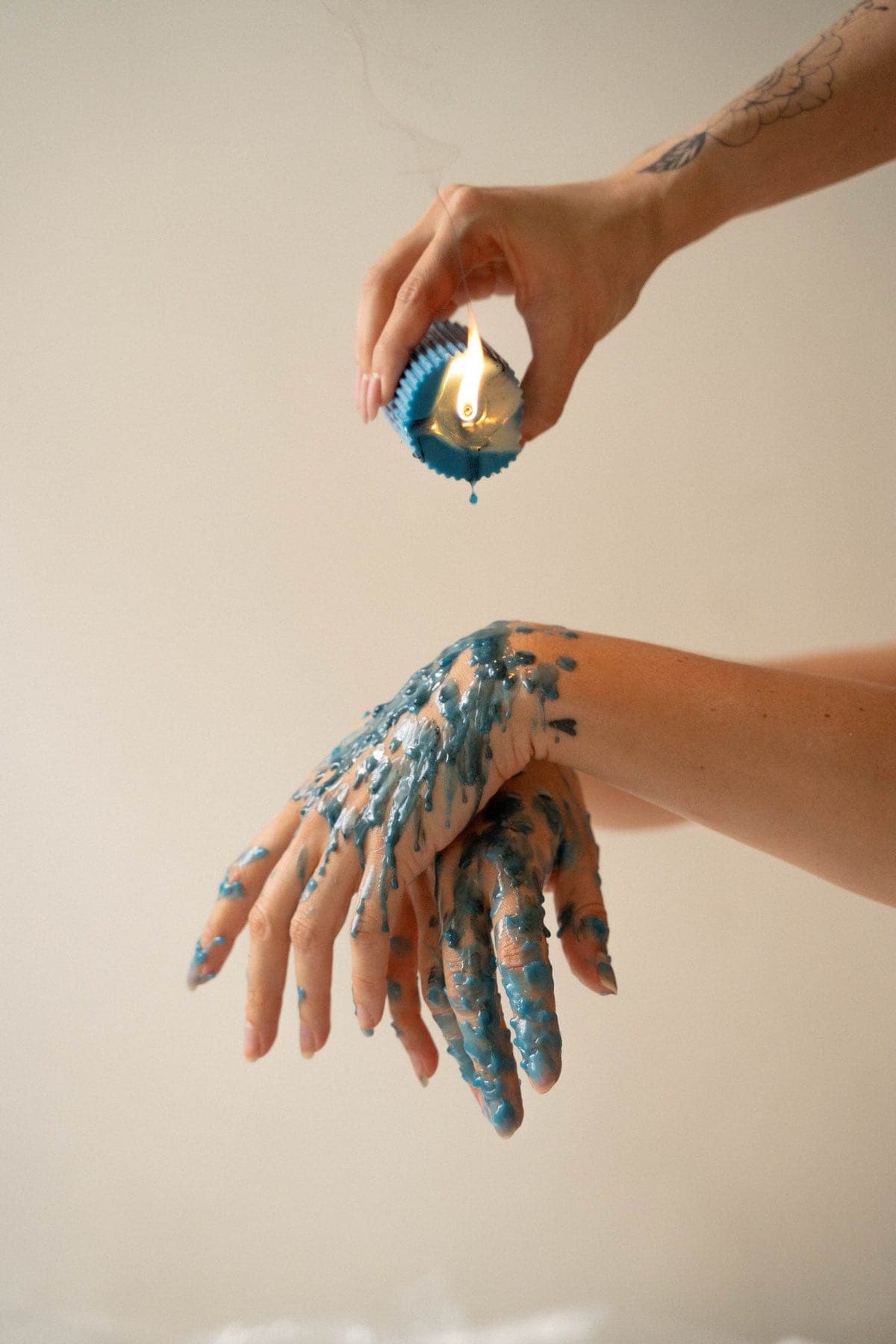
Keep exploring
- Guide
Full Safety Guide
Hero and in-session guidance - cornerstone for deeper protocol.
- Guide
Beginner'S Guide
Intro framing - complete first-session foundation.
- Article
Safety Myths Debunked
Cross-link for objection handling and body-safe education.
- Article
What To Expect Guide
Recovery and reaction framing for first-time readers.
- Guide
Our Candle Collection
Final CTA - commercial destination after recovery education.