
BDSM Aftercare KitThe Complete Checklist
An aftercare kit is the simplest way to close the gap between what you know you should do after a scene and what you actually manage to do when you are tired, raw, and barely able to decide what to eat.

The 10-Item Quick Checklist
If you want to skip the reading and just build a kit right now, here is the minimum viable aftercare kit. Everything else in this guide is detail and scene-specific add-ons.
- Water bottle — 1 liter, room temperature
- Electrolyte drink or tablets — one serving per person
- Snack — protein + complex carbs (nut butter, banana, jerky, granola bar)
- Soft blanket — ideally weighted, minimum fleece or wool
- Body-safe oil — jojoba or sweet almond, 60–120 ml
- Gentle cleansing wipes — fragrance-free, for sensitive skin
- Tissues — yes, tissues. Trust me.
- A soft layer of clothing — oversized hoodie, fuzzy socks, or both
- A comfort object — plush, a specific mug, a playlist, anything personal
- A notepad and pen — for check-ins, needs, or whatever surfaces
Keep it in a single container within reach of where you play. That is the whole system.
A BDSM aftercare kit is a prepared bundle of supplies kept within reach of where you play, designed to support physical and emotional recovery immediately after a scene. The point of a kit is not sophistication. It is removing decision-making from the moment after a scene, when decision-making is exactly the capacity you have least of.
If you have to go looking for water, you will not bother. If water is already in your hand, you will drink it. If a blanket is three rooms away, no one will get up. If it is draped over the chair next to the bed, it goes on. An aftercare kit converts good intentions into actual care, without requiring anyone to be functional enough to improvise.
This guide covers what to include, how to organize it by scene type, how to decide between building your own kit and buying a pre-made one, and — because one-size-fits-all rarely serves anyone — how to adapt the basics to your dynamic, your partner, and the kind of play you actually do. I am Olga Bevz, a sexologist and candlemaker, and this is the kit I keep next to every scene I run.
What Is an Aftercare Kit?
An aftercare kit is a collection of items chosen specifically to support the hour or two immediately after a BDSM scene. It typically lives in a dedicated container — a small duffel, a decorative box, a nightstand drawer — so that everything you need is in one place and you do not have to hunt for anything while coming down from intensity.
A good kit is not the same as a well-stocked bathroom. The difference is intention: a bathroom has everything in it, and finding what you need takes attention you do not have post-scene. A kit has only what you need, pre-selected for the specific job of landing a scene well.
Kits are also signals. Building and maintaining one tells your partner — and yourself — that aftercare is a real part of how you play, not an afterthought. Many people find that the act of packing a kit together is part of the relational work of BDSM, and the conversation it prompts ("why did you include that?", "what do you actually want after a scene?") is often as valuable as the kit itself.
Why You Need One (Even for "Small" Scenes)
The most common objection to aftercare kits is "we are only doing a light scene — we do not need a whole kit for this." That objection misses how aftercare actually works.
First, the intensity of a scene is not always predictable. A scene that starts light can deepen in ways neither of you expected. A scene that was supposed to be quick can run long because something unexpected clicked. Aftercare needs scale with what actually happened, not what was planned — and if you are unprepared, you will cut corners.
Second, sub drop does not only follow the most extreme scenes. It can follow any scene that produced meaningful intensity, including gentle sensation play, emotional scenes, and long slow sessions. The neurochemistry of the crash does not care whether anyone used a paddle.
Third, the cost of maintaining a kit is negligible compared to the cost of not having one. A kit is a few items in a container. The "just in case" version of it costs you about twenty euros and ten minutes of setup, and it works every time.
The 4 Categories of Aftercare Kit Items
Every aftercare kit, regardless of scene type, covers four functional categories. Think of them as four jobs your kit has to do. You can swap specific items based on preferences, but all four categories should be present.
1. Hydration & Nutrition
This category handles the physiological aftermath of a scene: fluid loss, blood sugar drops, and the basic fuel the body needs to begin recovery. It is the fastest-acting part of the kit and usually the first thing you use.
Essentials: water bottle (already full), an electrolyte drink or tablet, a snack with protein and complex carbs. Good snack choices: nut butter with banana, trail mix, jerky, a granola bar, crackers with cheese. Bad snack choices: anything very sugary, very greasy, or very hard to chew. You are recovering, not celebrating.
Extras: a thermos of herbal tea (chamomile, ginger, or peppermint), a small amount of dark chocolate for a mood lift, salted nuts for sodium replacement.
2. Skin & Body Care
This category handles the physical impact of the scene on skin, muscles, and circulation. The exact contents depend on what kind of play you do, but every kit needs at least some of this.
Essentials: a body-safe oil like jojoba or sweet almond — see our best oils guide for ranked recommendations — plus gentle, fragrance-free cleansing wipes and a soft cloth. A small ice pack in a zip bag, or a cold compress. Arnica cream for bruise-prone play.
Extras: a non-fragranced body balm for dry patches, lip balm (weirdly useful — mouths get dry during scenes), aloe vera gel for heat-sensitized skin, a small pair of safety scissors or bandage shears for rope or restraint emergencies.
3. Comfort & Warmth
This category handles temperature regulation and the body's craving for gentle pressure after adrenaline clears. Post-scene bodies run cold, and they want to be held — or at least wrapped.
Essentials: a soft blanket (weighted is best), an oversized layer of clothing like a hoodie or a bathrobe, fuzzy socks. Yes, really, socks. Cold feet are one of the most reliable post-scene complaints, and fixing them with a pair of socks shortens the coming-down process noticeably.
Extras: a heating pad, a hot water bottle, a small pillow for positioning, an eye mask if the lights feel too bright.
4. Emotional Support Items
This category is the one most people skip, and it is the one that matters most for the emotional half of recovery. The items here are specific, personal, and often seemingly silly. They work anyway.
Essentials: a comfort object of some kind — a stuffed animal, a specific mug, a familiar scent, a personal note. A notepad and pen. A phone or music player with a pre-loaded grounding playlist — slow, familiar, non-triggering music.
Extras: a short written reminder from your partner ("You did beautifully. I am not far. Text me when you wake up."), tissues, a deck of cards or a simple book for gentle distraction, a candle that is associated with safety rather than play.
Complete Aftercare Kit Checklist
A single reference table. Pack this and you have the full kit.
| Item | Category | Purpose | Approx. cost (EUR) |
|---|---|---|---|
| 1 L water bottle | Hydration | Rehydrate and flush adrenaline metabolites | 10–20 |
| Electrolyte tablets / sachets | Hydration | Replace sodium, potassium, magnesium | 8–15 |
| Protein + carb snack | Nutrition | Stabilize blood sugar | 2–5 |
| Jojoba or sweet almond oil (60–120 ml) | Skin care | Restore skin barrier after wax or friction | 10–18 |
| Fragrance-free cleansing wipes | Skin care | Gentle cleanup without irritation | 5–8 |
| Soft cloth or small towel | Skin care | Drying, wiping, wrapping | 5–10 |
| Cold compress or gel ice pack | Skin care | Reduce swelling after impact play | 6–12 |
| Arnica cream | Skin care | Support bruise recovery | 8–14 |
| Weighted or fleece blanket | Warmth | Temperature + grounding pressure | 25–80 |
| Oversized hoodie / robe | Warmth | Soft layer for core warmth | 20–50 |
| Fuzzy socks | Warmth | Peripheral temperature regulation | 5–12 |
| Comfort object | Emotional | Grounding, attachment cue | Varies |
| Grounding playlist (pre-loaded) | Emotional | Auditory regulation | Free |
| Tissues | Emotional | Yes, for tears. Also just useful. | 2 |
| Notepad and pen | Emotional | Externalize what surfaces | 5 |
| Safety scissors | Safety | Rope / restraint emergency release | 8–15 |
Total cost of a complete kit: roughly 120–280 EUR, depending on how nice your blanket is. A minimum viable kit covers the essentials for under 70 EUR.
Building a Kit for Wax Play Specifically
Wax play kits have one job the general kit does not: handling cooled wax and restoring the skin barrier afterward. Everything else is a wax-play-tuned version of the standard kit.
- A credit-card-shaped plastic scraper. The gentlest way to lift cooled wax off skin without damaging the barrier.
- Jojoba or sweet almond oil (larger bottle, 120 ml). Wax play uses more oil than other scenes because skin is covered in more surface area of cooled wax and warmed tissue.
- Lukewarm water in a small bowl or cloth. Not hot, not cold. Lukewarm rinses lift residual wax without shocking sensitized skin.
- A disposable drop cloth or old sheet. For under the play area — catches wax, protects fabric. Not strictly aftercare, but easier to pack together.
- Fragrance-free moisturizer for the next day. Wax-played skin often feels slightly dry 12–24 hours later.
Skip hot showers for several hours after a wax play scene. Heat on newly sensitized skin is too much stimulation and can turn mild redness into real irritation. Our post-wax-play skin routine walks through the full aftercare sequence step by step.
Building a Kit for Impact Play
Impact kits prioritize cold therapy for the first twenty minutes and bruise support for the next several days. The cold window is short, so having the ice pack ready matters more than having any specific product.
- Two cold compresses — one for immediate use, one in reserve. Gel packs work; a bag of frozen peas works in a pinch.
- A thin cloth barrier — never apply ice directly to skin.
- Arnica gel or cream for the next several days.
- A hand mirror — useful for checking marks in places the bottom cannot see directly.
- Disinfectant wipes and bandages for any broken skin.
- An anti-inflammatory option if appropriate — ibuprofen, if neither partner has contraindications.
Impact aftercare extends over several days as bruises develop and fade. Include a reminder to check in at 24 and 48 hours — bruising can look very different the day after than the night of.
Building a Kit for Rope and Bondage
Rope kits are unusual because their most important item is not for aftercare — it is for emergency release during the scene. It lives in the aftercare kit anyway, because that is where you will reliably find it.
- Safety scissors or EMT shears. Non-negotiable. Blunt-tip, strong enough to cut through the rope you use, within arm's reach of every scene.
- A small light — headlamp or flashlight. For checking extremities in dim rooms.
- Arnica cream for rope marks that linger.
- A notebook for logging any numbness, tingling, or weakness after untying. Write down what you notice. If anything persists past a few hours, you want the record.
- Warming layer — rope bottoms often cool faster because circulation shifts during tying.
After untying, always check extremities for color, sensation, and motor function. Move slowly through any joint that was held in flexion. Nerve compression symptoms — tingling, numbness, weakness — usually resolve within minutes but occasionally persist. Numbness lasting more than a few hours warrants a professional opinion.
DIY vs Ready-Made Kits
You can build a kit yourself in an afternoon or buy a pre-assembled one online. Both approaches work. Here is how to decide.
Build your own when:
- You know your preferences well and want specific items
- You have specific sensitivities — fragrance allergies, particular oil preferences, texture requirements
- You want the relational experience of packing it together with a partner
- You play a specific kind of scene that does not match a generic kit
- You are on a tight budget and already have several items at home
Buy a ready-made kit when:
- You are new to BDSM and do not yet know what you will want
- You want something to use immediately, without a shopping trip
- You want a gift for a partner or friend entering the space
- You are traveling and need a portable option
- You want a visual signal that aftercare matters — a branded kit tells your partner you take this seriously
Most experienced players end up with a hybrid: a base kit purchased once, then customized and refilled over time as preferences become clear. That is probably the sanest approach.
Storing and Refreshing Your Kit
A kit you cannot find is not a kit. Store it within arm's reach of where you play — a nightstand drawer, a box under the bed, a duffel bag in the closet. If you play in different rooms, consider two small kits rather than one big one.
Every two to three months, audit the kit. Replace snacks before they expire. Refresh the water bottle. Check the oil for rancidity (it has a shelf life). Wash the blanket and fuzzy socks. Replace the batteries in any flashlight. Replace the ice pack if it has leaked.
If your practice has changed — new scenes, new partner, new body parts involved — revise what is in the kit. A kit that fit last year's play may not fit this year's. Treat the kit as a living system, not a one-time build.
Printable Aftercare Checklist
You can use the table above as a printable shopping list. Copy the rows you need, tick them off as you acquire them, and keep the list in the kit itself so anyone using it knows what is supposed to be there.
If you want a downloadable PDF version formatted for printing, let us know via the contact form and we will send one. Once enough readers ask, we will publish it as a permanent download.
Where to Start
If you are overwhelmed by the list, start with the 10-item quick checklist at the top. That covers 80% of what matters. You can refine the other 20% over your next few scenes, as you learn what you actually reach for and what sits unused.
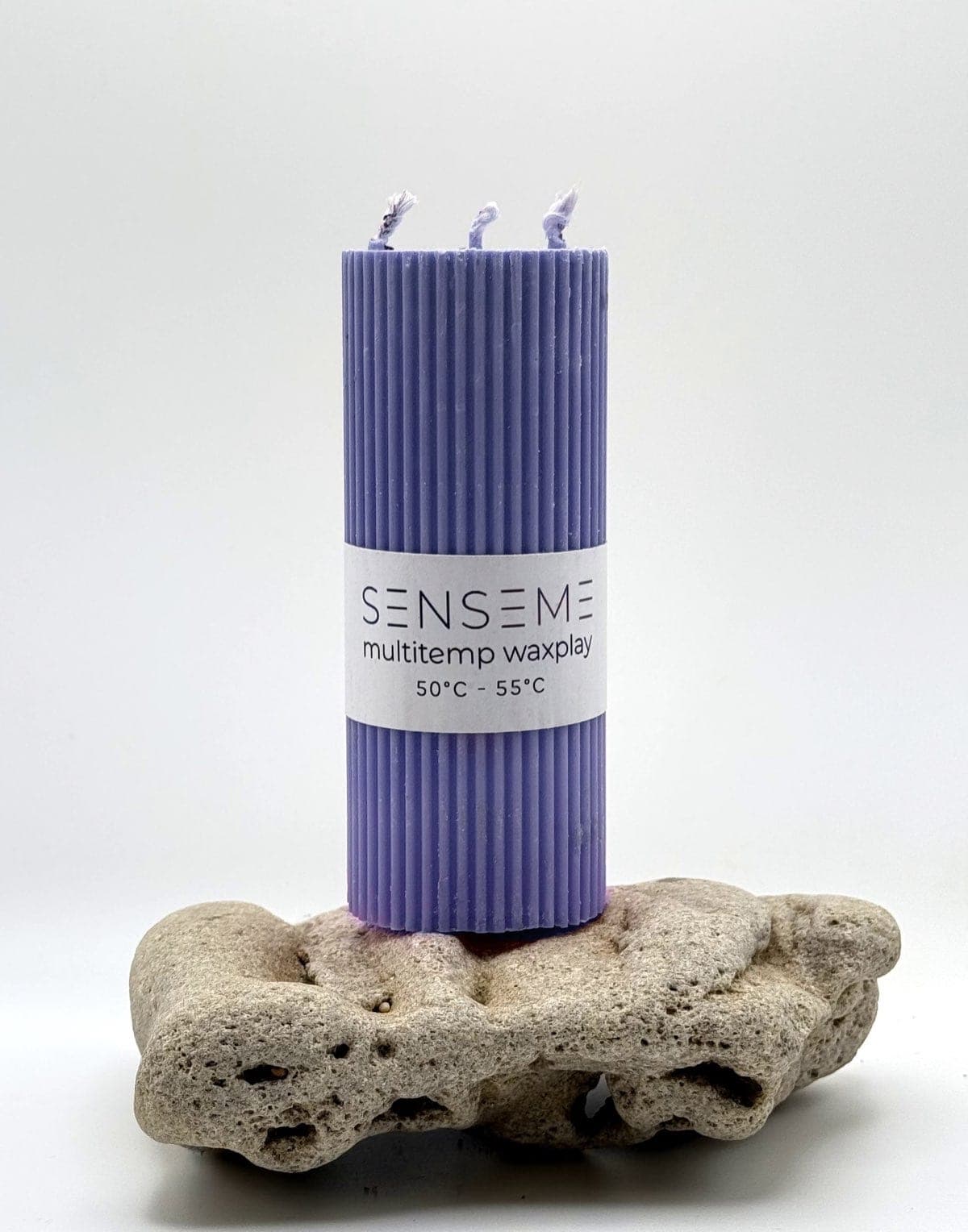
Wax play kits are a specific case, and our body-safe candles are built for exactly the scenes these kits support. If wax play is the kind of play you are preparing for, start with a low-temperature candle — our 50°C and 55°C options are designed for first scenes and pair naturally with the oil-and-cleanse aftercare routine described above.
Further Reading
Sources & References
- National Coalition for Sexual Freedom (NCSF) — Consent Counts Resources and Kink-Aware Professionals
- Sagarin, B. J., Cutler, B., Cutler, N., Lawler-Sagarin, K. A., & Matuszewich, L. (2009). Hormonal Changes and Couple Bonding in Consensual Sadomasochistic Activity. Archives of Sexual Behavior.
- Ambler, J. K., et al. (2017). Consensual BDSM Facilitates Role-Specific Altered States of Consciousness. Psychology of Consciousness.
- Sprott, R. A., & Randall, A. (2017). Health, Well-being, and BDSM Practitioners. Current Sexual Health Reports.
This article is for educational purposes and does not constitute medical advice. If you have specific health conditions or take medications, consult a qualified medical professional before using new topical products or supplements.
Frequently Asked Questions
Can I use a regular first aid kit as an aftercare kit?
Do I need an aftercare kit if we only play at home?
Do I really need a separate aftercare kit if I have a well-stocked home?
How much should a good BDSM aftercare kit cost?
Should each partner have their own aftercare kit?
What goes in a travel version of an aftercare kit?
What should I absolutely not put in an aftercare kit?
Olga Bevz
Olga founded SenseMe Waxplay to build body-safe wax play candles grounded in actual knowledge of anatomy, nervous systems, and kink practice. She writes about sensation play, BDSM safety, and the quiet skills that make intense experiences land well.
Read full story