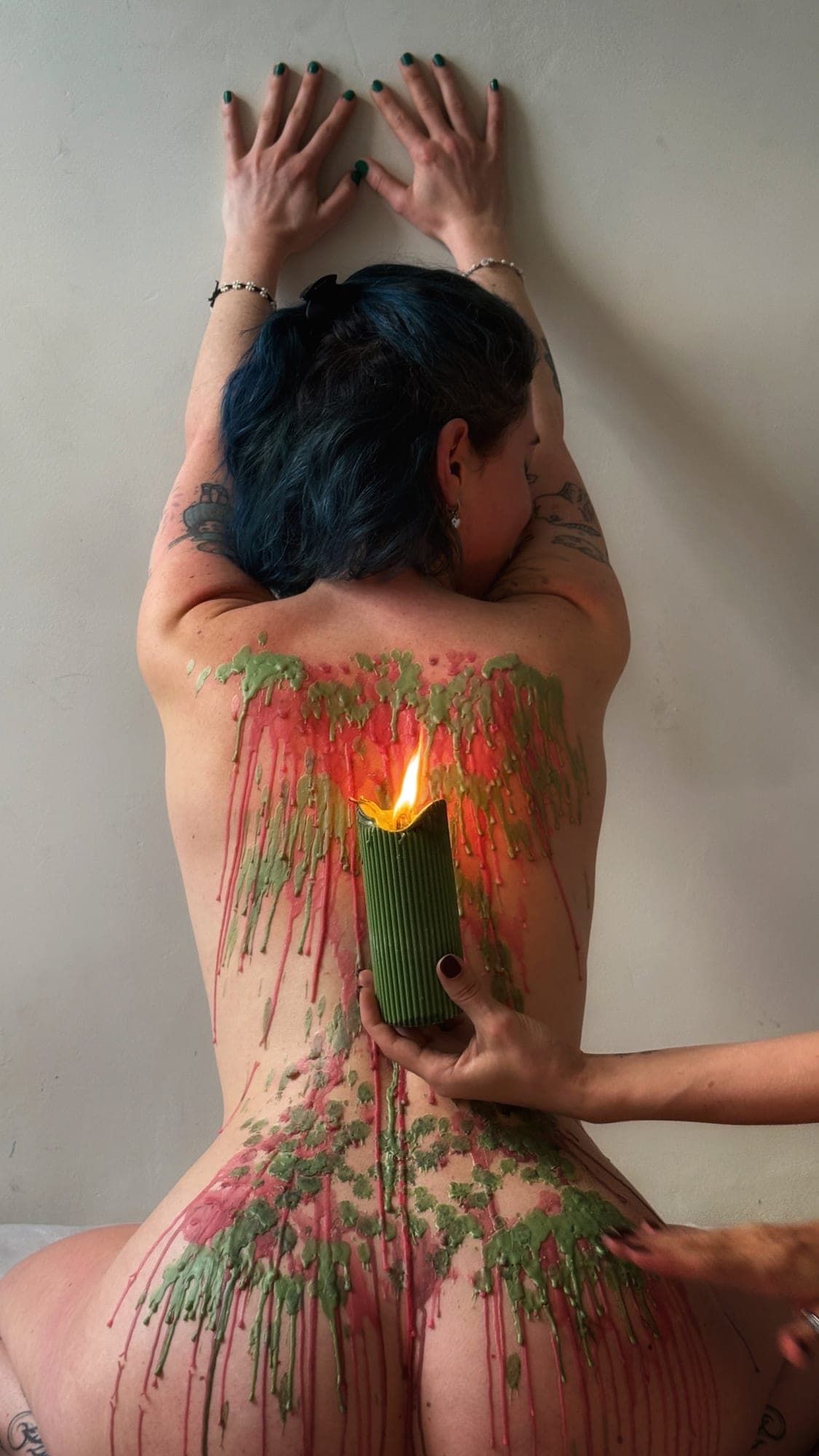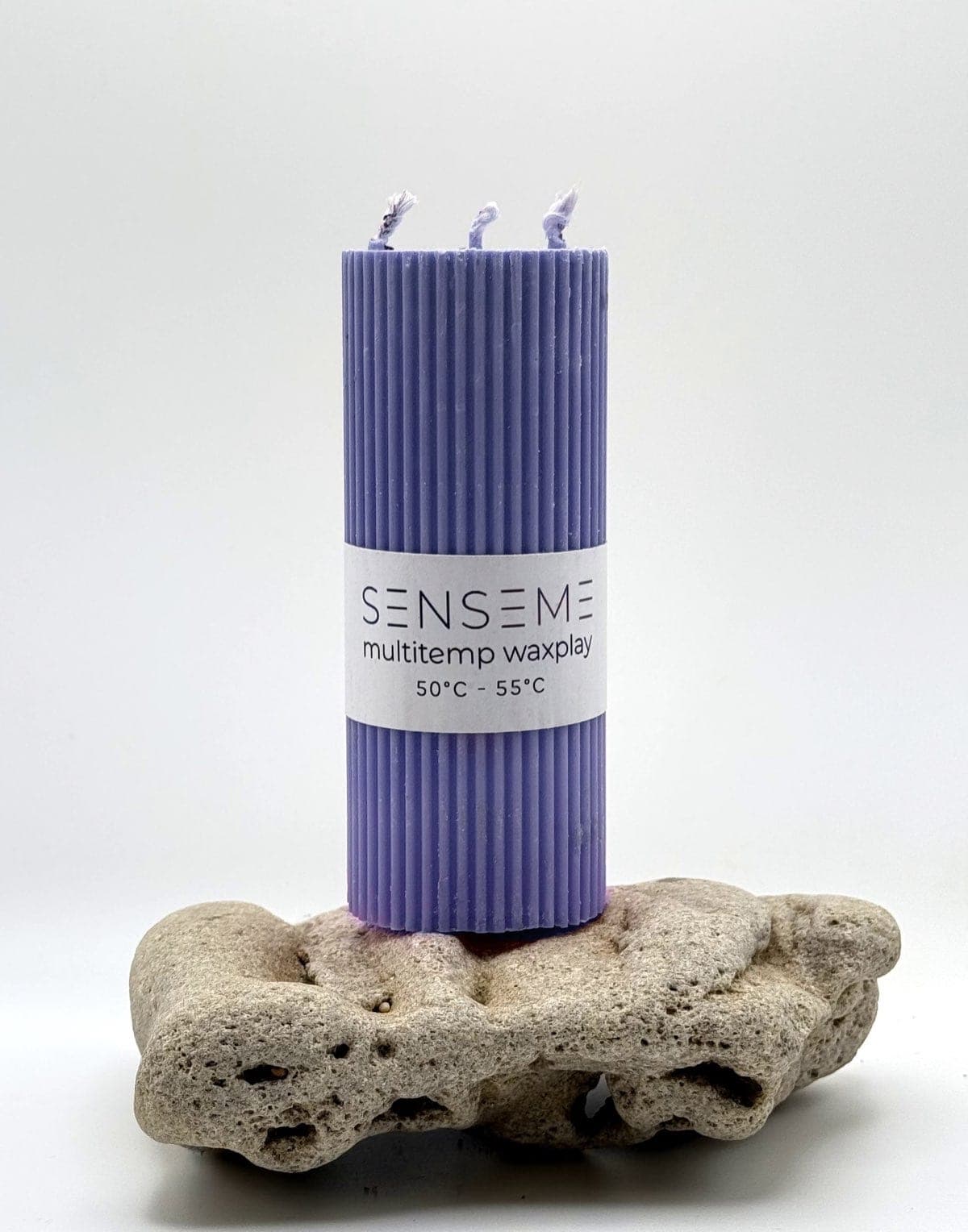

Sub DropWhat It Is, Why It Happens, and How to Recover
If you feel strangely flat, sad, or achy in the hours or days after a BDSM scene, you are not broken and you are not alone. You are experiencing sub drop — and there is a clear, specific way through it.

Key Takeaways
- Sub drop is the physical and emotional crash that can follow a BDSM scene, caused by a sharp fall in endorphins, adrenaline, and oxytocin after intensity ends.
- It usually shows up several hours to two days after the scene, not immediately. Expect symptoms like sadness, fatigue, muscle soreness, tearfulness, and emotional rawness.
- Typical sub drop lasts 24 to 72 hours. Severe drops can linger for up to a week. Anything longer than that deserves attention.
- Sub drop is not a sign something went wrong. It is a predictable neurochemical consequence of a scene that went right.
- Recovery is specific, not mystical — hydration, sleep, grounding, gentle food, connection, and patience. No magic required.
Sub drop is the physical and emotional crash that can follow a BDSM scene, typically appearing several hours to a few days after the session ends. It is not a mood, a personal failure, or proof that you should not have played — it is the predictable result of a nervous system and endocrine system returning to baseline after a period of intense stimulation.
Most people who play BDSM will experience sub drop at some point, and many will experience it regularly. The good news is that it is both normal and manageable. The better news is that once you understand what is actually happening in your body, sub drop stops feeling like an ambush and starts feeling like a familiar part of the landscape — one you can prepare for, ride out, and recover from with a clear plan.
This guide is written by Olga Bevz, a sexologist. It covers what sub drop feels like, what causes it biologically, how long it lasts, how to recover when it hits, and how to reduce its severity before it ever arrives. If you are in sub drop right now, skip to the recovery section.
What Is Sub Drop? (Short Definition)
Sub drop is a post-scene crash experienced primarily by bottoms, submissives, and masochists after a BDSM session. It presents as a cluster of physical and emotional symptoms — sadness, fatigue, soreness, tearfulness, disorientation — caused by a rapid decline in the hormones and neurotransmitters that were elevated during the scene.
The term is widely used in the BDSM community. It is not a formal medical diagnosis, but the underlying physiology is well-understood: intense experiences flood the body with endorphins, adrenaline, cortisol, dopamine, and oxytocin; when the experience ends, those levels fall, often overshooting baseline before settling. The dip between peak and settled baseline is what you feel as the drop.
Sub drop is sometimes called "bdsm crash," "post-scene blues," or just "the drop." Tops experience a parallel phenomenon called dom drop, which is under-discussed and equally real.
Sub Drop Symptoms — How to Recognize It
Sub drop symptoms fall into three categories: physical, emotional, and cognitive. Most people experience a mix. Some people get hit hardest in one category. Knowing the shape of your own drop is useful — it helps you notice it arriving and respond before it deepens.
Physical Symptoms
- Fatigue and heaviness. A tired that sleep does not quite fix. Limbs feel weighted.
- Muscle soreness. Even after scenes with no impact play — the body was tense for longer than you realized.
- Headache. Often dehydration-driven, sometimes tension-driven.
- Chills or feeling cold. A clear sign that adrenaline has cleared and your body is recalibrating temperature.
- Nausea or loss of appetite. Sometimes the opposite — sudden hunger and low blood sugar.
- Light sensitivity. A surprisingly common complaint the day after an intense scene.
Emotional Symptoms
- Sadness without a clear cause. The signature feeling of sub drop. Often described as "I should feel great, but I feel empty."
- Tearfulness. Sometimes without full-on crying — just an unusually thin emotional skin.
- Anxiety. Particularly worries about your partner, the scene, what you did, what they think of you.
- Guilt or shame. Often disconnected from anything that actually happened.
- Feeling disconnected from your partner. A strange distance that was not there during the scene.
- Irritability. Small things feel disproportionately frustrating.
Cognitive Symptoms
- Brain fog. Difficulty concentrating, mild memory glitches, slow thinking.
- Intrusive thoughts about the scene. Replaying moments, second-guessing decisions.
- Disorientation. A mild sense of "where am I" even in a familiar place.
- Time distortion. Yesterday feels like a week ago. A week ago feels like yesterday.
If several of these symptoms land within seventy-two hours of a scene and then gradually fade, you are in sub drop. If they intensify instead of fading, or if they include thoughts of self-harm, skip to the when to worry section.
What Causes Sub Drop (The Biology)
Sub drop is a neuroendocrine event, not a psychological weakness. Three systems are doing most of the work: the endorphin system, the stress response system, and the bonding hormone system. Each of them spikes during a scene, and each of them crashes after.
The Endorphin and Adrenaline Crash
During a BDSM scene — especially one involving pain, intensity, or physical exertion — the body releases large amounts of endogenous opioids (endorphins, enkephalins) and catecholamines (adrenaline, noradrenaline). Endorphins dampen pain signals and create euphoria. Adrenaline sharpens focus and redirects blood flow to muscles.
When the scene ends, both systems shut off fast. Endorphin levels typically fall below baseline before returning to normal — a well-documented rebound pattern seen in every study of intense physical experience, from marathon running to surgery recovery. Adrenaline clears quickly, but leaves behind a body that was running on it. The combination feels like a soft but stubborn crash.
The Role of Oxytocin and Dopamine
Oxytocin — the bonding hormone — rises during any experience involving sustained touch, eye contact, and trust. Scenes that emphasize connection release a lot of it. Dopamine, the reward neurotransmitter, rises in anticipation of and during pleasurable or meaningful experiences.
Both settle slowly after a scene. The emotional symptoms of sub drop — sadness, disconnection, anxiety about the relationship — often correlate with this oxytocin and dopamine settling. The connection that felt luminous during the scene does not vanish, but the body is no longer producing the chemistry that made it feel so immediate. That gap is disorienting, and it explains why sub drop can feel, paradoxically, like distance from the person you just felt closest to.
Cortisol's Delayed Role
Cortisol — the stress hormone — rises during and sometimes peaks after a scene. Its levels can remain elevated for hours or days, which is part of why sub drop symptoms often arrive delayed rather than immediately. Once cortisol settles, the body is finally free to rest and repair, and the crash becomes fully noticeable. If you feel fine the night of a scene and wake up the next day feeling hit by a truck, cortisol is likely a big piece of why.
How Long Does Sub Drop Last?
Most sub drops last 24 to 72 hours. The first day is typically the worst, the second is recognizable as a drop but easier to function through, and by the third day most of the fog has lifted.
Several factors shift the timeline:
- Intensity of the scene. Longer, more intense, or more emotionally vulnerable scenes produce longer drops.
- Sleep in the first night. A full night of sleep right after the scene shortens the drop significantly. Lost sleep extends it.
- Baseline mental health. People with depression or anxiety disorders often experience longer and heavier drops. This is not a reason to avoid BDSM — it is a reason to plan for it.
- Hormonal cycles. People who menstruate may experience sharper drops in the premenstrual phase when estrogen and progesterone are falling. This is not coincidence; it is the same chemistry compounding.
- Substance use. Alcohol during or after a scene consistently worsens and lengthens sub drop. Caffeine in the first day tends to amplify the anxiety component.
- Aftercare quality. Good aftercare reduces sub drop severity, though it rarely prevents it entirely.
A drop that persists beyond five to seven days is unusual and worth treating as a signal rather than dismissing.
How to Recover From Sub Drop
Sub drop recovery is not mystical. It is a specific sequence of physical and emotional interventions, applied in the right order. Here is what actually works.
In the First 24 Hours
The first day is about basic stabilization. Do not try to process the scene, make decisions, or have serious conversations. Do the following instead:
- Hydrate aggressively. Water first, then electrolytes if you have them. Dehydration amplifies every sub drop symptom.
- Eat something with protein and complex carbs. Even if you are not hungry. Low blood sugar turns ordinary sadness into a spiral.
- Warmth. Blanket, hoodie, warm bath. The body is regulating temperature and welcoming the help.
- Sleep as much as you can. The body does most of its repair during sleep. Sleep is the single most effective intervention.
- Stay near someone you trust — in person, on the phone, or in text. Isolation deepens sub drop faster than almost anything else.
- Avoid alcohol, caffeine, and hard exercise. All three interfere with recovery in the first day.
Days 2–5
By the second day, you have more capacity. Use it gently:
- Gentle movement. A walk outside. Light stretching. Nothing strenuous — the goal is to cue your nervous system that it is safe to re-engage with the world.
- Ordinary food on a normal schedule. Do not skip meals. Low blood sugar during sub drop is a reliable way to feel much worse.
- Protected connection. Time with your partner or a trusted friend, with low stakes. Not a serious conversation, not a project — just company.
- Journaling, if it helps you. Writing down what happened, what you felt, and what you are feeling now can externalize the drop and make it smaller.
- Patience. Do not try to force yourself back to normal. Normal returns on its own. Forcing it prolongs the drop.
When It Lasts Longer
If you are still in sub drop on day five, escalate care deliberately. Talk to your partner about what you need. Talk to a friend who understands kink. Increase sleep, decrease stimulation, keep your environment gentle. Consider whether something in the scene touched an unhealed wound — sometimes sub drop lasts because it has become entangled with older material that needs its own attention.
Long-lasting sub drop is not a crisis. It is a sign that the recovery needs more support than usual. Give it that support.
How to Prevent Sub Drop (Or At Least Soften It)
You cannot always prevent sub drop. You can nearly always reduce its severity. Prevention begins before the scene and continues through aftercare.
- Start the scene rested and fed. Playing tired, hungry, or already emotionally raw is a reliable way to increase drop severity.
- Hydrate before, during, and after. Have water within reach during the scene, not just after.
- Negotiate aftercare in advance. Both what it looks like immediately and what check-ins look like over the next few days. See our aftercare negotiation guide.
- Have an aftercare kit ready. Decision-making capacity is low right after a scene. Pre-decide everything.
- Plan the next day. Do not schedule demanding work, hard conversations, or big social events the day after an intense scene. Give yourself a soft landing zone.
- Eat within thirty minutes of ending. Blood sugar support is the single most underrated anti-drop tool.
- Do not drink heavily afterward. Alcohol feels like celebration. It is not — it is a sub drop amplifier.
- Sleep the first night. Whatever it takes. If you cannot sleep next to your partner, at least sleep.
- Schedule a check-in. With your partner, or with yourself. Knowing that a check-in is coming reduces the loneliness of a delayed drop.
When Sub Drop Is Something More
Ordinary sub drop is uncomfortable but self-limiting. It resolves with time, hydration, sleep, and basic care. Most drops are ordinary.
Some drops are not, and it is important to know the difference. Seek support — from a kink-informed therapist, a crisis line, or a mental-health professional — if you notice any of the following:
- Symptoms intensify instead of fading after the first three days
- Thoughts of self-harm or suicide. This is an immediate signal to reach out. In the US, call or text 988. In the UK, call 116 123 (Samaritans). Do not wait.
- Dissociation that does not resolve — a persistent sense of being outside your body or disconnected from reality
- Panic attacks that were not part of your baseline before the scene
- A sub drop that keeps happening after every scene and getting worse — this can signal that the type of play is not serving you, or that something deeper is surfacing
- Re-experiencing the scene as intrusive or frightening rather than memorable — a possible sign that something traumatic was touched
A kink-informed therapist is not the same as a regular therapist. They understand that BDSM is a legitimate practice rather than a symptom to be treated, and they can help you process difficult material without pathologizing your sexuality. The NCSF Kink-Aware Professionals directory is a good starting point.
Asking for help is not a sign that you are bad at BDSM. It is a sign that you take your mental health as seriously as you take your play.
Further Reading
- BDSM Aftercare: The Complete Guide to Recovery After a Scene
- Dom Drop Is Real: A Guide for Tops, Dominants, and Their Partners
- Sub Space: What It Is and How to Come Down Safely
- BDSM Aftercare Kit: The Complete Checklist
- How to Negotiate Aftercare Before a BDSM Scene
- Physical vs Emotional Aftercare: Why You Need Both
Sources & References
- Sagarin, B. J., Cutler, B., Cutler, N., Lawler-Sagarin, K. A., & Matuszewich, L. (2009). Hormonal Changes and Couple Bonding in Consensual Sadomasochistic Activity. Archives of Sexual Behavior.
- Ambler, J. K., Lee, E. M., Klement, K. R., et al. (2017). Consensual BDSM Facilitates Role-Specific Altered States of Consciousness. Psychology of Consciousness.
- Wismeijer, A. A. J., & van Assen, M. A. L. M. (2013). Psychological Characteristics of BDSM Practitioners. Journal of Sexual Medicine.
- Sprott, R. A., & Randall, A. (2017). Health, Well-being, and BDSM Practitioners. Current Sexual Health Reports.
- National Coalition for Sexual Freedom — Kink-Aware Professionals Directory. ncsfreedom.org
This article is for educational purposes and does not constitute medical or psychological advice. If you are experiencing persistent distress, thoughts of self-harm, or symptoms that interfere with daily life, please contact a qualified mental-health professional. If you are in crisis, call 988 (US), 116 123 (UK Samaritans), or your local emergency services.
Frequently Asked Questions
Can I take anything to prevent sub drop?
Can tops experience sub drop?
Can you get sub drop without having a painful scene?
Does sub drop happen after every scene?
How can I help my partner through sub drop?
Is sub drop the same as sub space?
Why does sub drop hit harder the day after instead of right away?
Olga Bevz
Olga founded SenseMe Waxplay to build body-safe wax play candles grounded in actual knowledge of anatomy, nervous systems, and kink practice. She writes about sensation play, BDSM safety, and the quiet skills that make intense experiences land well.
Read full story