How to Remove Wax from Skin, Sheets, and Fabric (Without Damage)

How to remove wax from skin is one of the most-searched questions in wax play — and often the biggest anxiety barrier for people who have never tried it. The good news is that with body-safe candles and a few simple habits, cleanup is genuinely easy. Not "easy once you get used to it" easy. Actually easy. The kind where you spend more time thinking about it beforehand than doing it afterward.
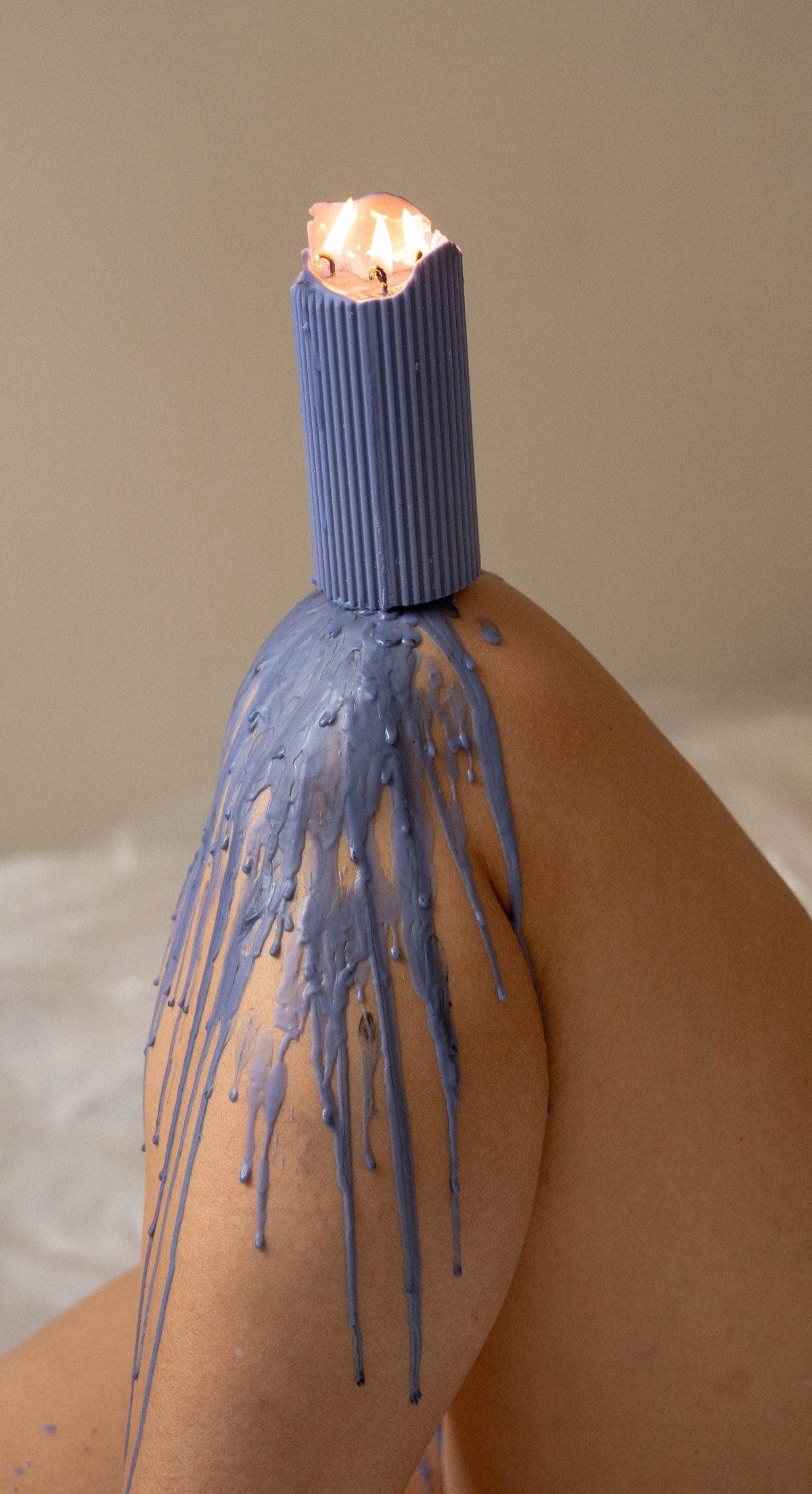
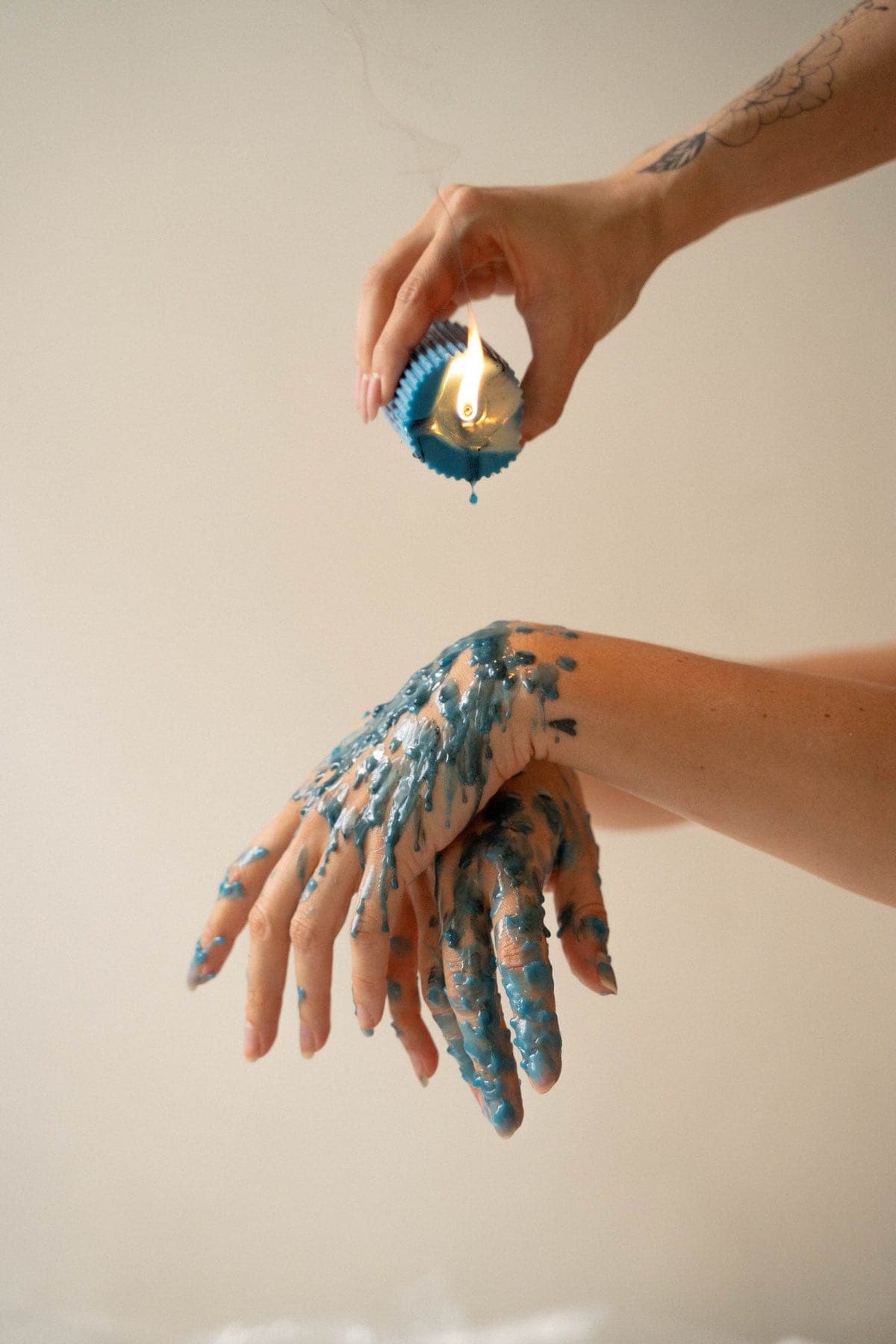
Most wax play cleanup confusion comes from people using ordinary household candles. Those candles use harder waxes, higher temperatures, and additives that bond more aggressively to skin and fabric. Body-safe wax play candles like SenseMe are formulated differently. The soy-paraffin blend used across the range is designed to cool into a flexible film that peels cleanly. That design choice is not accidental — it is part of what makes the experience feel controlled rather than messy.
This guide covers three surfaces: skin, sheets, and other fabrics. Each has a different method, but all share the same principle — patience removes wax better than force. If you want the broader recovery picture including skin care and emotional aftercare, our aftercare guide picks up where this article leaves off.
How to Remove Wax from Skin
Removing wax from skin after a body-safe candle session is usually the simplest part of cleanup. Here is the step-by-step method:
- Wait for the wax to cool completely. This takes 30–60 seconds depending on the temperature tier. Cooled wax contracts slightly as it solidifies, which naturally loosens its grip on skin. Trying to remove warm, pliable wax is harder and can irritate the skin underneath.
- Find an edge and lift gently. Once the wax has set, slide a fingernail or the flat edge of a credit card under one corner. The wax should separate from the skin in a clean peel. If it is a large area, work from the edges inward.
- Peel slowly, not quickly. A slow, steady peel in the direction of hair growth gives the cleanest result. Fast ripping can be uncomfortable and may leave small fragments behind. Think of it like removing a sticker, not a bandage.
- Wipe with a warm, damp cloth. After peeling, a cloth with warm water removes any residual film. This also feels soothing on skin that has just experienced temperature play.
- Apply a gentle moisturizer if desired. The skin has been through a thermal cycle. A basic, fragrance-free moisturizer or coconut oil helps it recover. This step is optional but pleasant.
A few things that make skin removal even easier:
- Lower temperatures peel more cleanly. A 50°C candle produces a softer, more flexible wax film than a 75°C candle. If cleanup is a concern, starting at the gentler end of the range removes that worry almost entirely.
- Body hair affects removal. Wax adheres more firmly to hair than to bare skin. This does not make removal painful at low temperatures, but it does make it slower. Shaved or trimmed areas peel most smoothly. If body hair is present, warmer water and slower peeling help.
- Avoid sensitive areas for first-timers. Back, shoulders, and outer thighs give the cleanest peel because the skin is relatively flat and even. Our safety guide covers body area selection in detail.
How to Remove Wax from Sheets and Bedding
Wax on sheets is fixable. Here is the method that works reliably:
- Let the wax harden completely. Do not try to wipe liquid wax off fabric — that pushes it deeper into the fibres. Wait until it has fully cooled and solidified.
- Scrape off the bulk. Use a butter knife, spoon, or the edge of a credit card to scrape away as much solid wax as possible. Work gently to avoid fraying the fabric.
- Iron between paper towels. Place a paper towel or brown paper bag under the stain and another on top. Run a warm iron (no steam) over the top layer. The heat re-melts the wax, and the paper absorbs it. Move to a clean section of paper and repeat until no more wax transfers. This usually takes 2–3 passes.
- Treat any remaining stain. If the wax was coloured, a small oil-based stain may remain after ironing. Dab it with rubbing alcohol or a pre-wash stain remover, let it sit for 10 minutes, then wash normally.
- Wash on the warmest safe cycle. Check the fabric care label. Hot water helps remove any final residue. Do not put the sheet in the dryer until you confirm the stain is gone — heat can set stains permanently.
For delicate fabrics like silk or satin, skip the iron and use the freezer method instead: fold the fabric, place it in a plastic bag, freeze for two hours, and then crack the frozen wax off. This avoids any heat damage to the fibres.
How to Remove Wax from Clothing, Carpet, and Furniture
Clothing
The same iron-and-paper method that works for sheets works for most clothing. For thicker fabrics like denim, you may need more passes. For synthetic fabrics, use a lower iron heat to avoid melting or damaging the material. When in doubt, test on an inconspicuous area first.
Carpet
Scrape the surface wax, then place a paper towel over the spot and iron on low heat. Work in short passes to avoid scorching carpet fibres. For thick carpet, multiple rounds may be needed. Finish with a carpet-safe cleaning spray if any discolouration remains.
Wood and hard surfaces
Let the wax cool completely. For sealed wood, furniture, or tile, the wax usually pops off cleanly with a gentle scrape from a plastic card. For unsealed wood, use a warm (not hot) cloth pressed against the wax to soften it slightly, then wipe away. Avoid metal scrapers on delicate surfaces.
Hair
If wax gets into hair (head hair, chest hair, etc.), apply a small amount of coconut oil or olive oil to the area, let it sit for a minute, and comb through gently. The oil dissolves the wax bond without pulling. Warm water and conditioner finish the job. This is rarely an issue with body-safe candles at beginner temperatures, but it is useful to know for longer sessions.
Prevention: How to Minimize Cleanup Before You Start
The easiest cleanup is the one you do not need to do. A few minutes of preparation before the session can eliminate most post-session work:
- Use a dedicated dark towel or sheet. Lay it down before you begin. When the session ends, fold it up and deal with it later. This single step protects bedding, carpet, and furniture simultaneously.
- Choose dark-coloured surfaces. Dark sheets, dark towels, and dark clothing hide any residual staining from coloured wax. If you use white bedding for everyday life, keep one dark set specifically for play.
- Pour over skin, not over fabric. Gravity carries excess wax downward. If the receiving partner lies on a towel, stray drips land on the towel rather than on the bedding underneath.
- Keep a warm cloth nearby. Instead of letting wax sit on skin for a long time, remove it between pours if you prefer. A warm, damp cloth beside the bed makes this effortless.
- Start with low temperatures. Lower-temperature candles produce softer, more flexible wax that peels more cleanly from everything. If cleanup is a concern that is stopping you from trying wax play, a 50°C candle makes the entire question almost irrelevant.
Our first-time checklist includes a full preparation section that covers surface protection, supplies, and other logistics that make the experience feel smooth rather than stressful.
Body-safe candles, easy cleanup
SenseMe candles are formulated to peel cleanly from skin. Start with the gentlest temperature and see for yourself.
Explore Collection