
How Scented Candles Change the Mood: Fragrance, Nervous System, and Intimacy
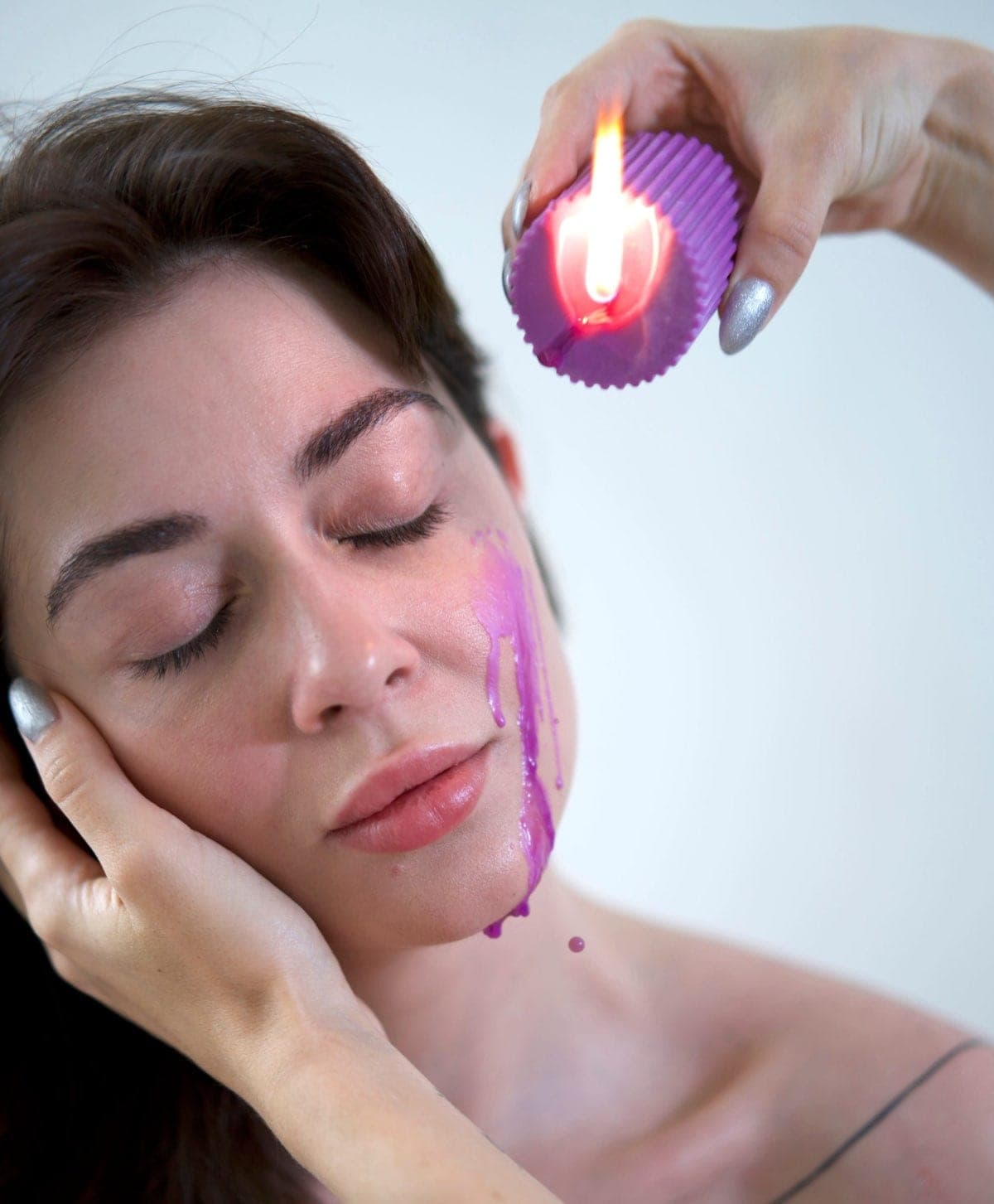
Scented candles change the mood — that much is obvious. What is less obvious is how. Most people treat candle scent as ambience: a pleasant background note, something to make the room smell nice. But fragrance does more than that. It changes arousal, attention, memory, and emotional tone at a neurological level, often before you are consciously aware that it is happening.
For wax play specifically, scent adds a dimension that temperature alone cannot provide. Temperature is immediate, physical, and binary — warm or not warm, present or faded. Scent is layered, evolving, and deeply associative. The first time you light a candle with a particular fragrance during an intimate moment, your brain begins encoding that scent with the emotions you feel. Every time you smell it again, the association returns. That is not marketing poetry. It is how olfactory memory works, and it is one of the reasons wax play creates stronger somatic memories than most people expect.
This article covers three things: the science behind how fragrance interacts with your nervous system, a sensory profile of every scent in the SenseMe range, and practical guidance on choosing a scent that matches the kind of session you want. If you are new to the range and want to understand how temperature works before thinking about scent, our temperature guide explains the six tiers. If you want product-level comparisons, the buying guide covers that ground.
How Fragrance Reaches the Emotional Brain
Smell is the only sense with a direct neural pathway to the limbic system — the part of the brain that governs emotion, memory, and arousal. Vision, sound, and touch are all processed through the thalamus first, which acts as a relay station and filter. Smell bypasses that filter entirely. When a scent molecule reaches the olfactory bulb, it is two synapses away from the amygdala (emotional processing) and the hippocampus (memory formation). That is why a familiar scent can trigger a vivid emotional memory before you have time to think about it.
This neuroanatomy has practical implications for intimate experiences:
- Scent primes emotional state. Lighting a candle five minutes before a session does not just fill the room with fragrance. It begins to shift the nervous system toward the emotional register associated with that scent — calm, warmth, arousal, focus, depending on the notes.
- Scent creates anchors. In psychology, an anchor is a sensory stimulus that becomes linked to a specific emotional state through repeated pairing. If you consistently use the same scent during intimate, focused, pleasurable experiences, the scent itself becomes a shortcut to that state. This is not esoteric — it is classical conditioning, and it is remarkably reliable.
- Scent modulates arousal. Research on olfaction and sexual arousal consistently shows that certain scent families — warm woods, vanilla, musk, and earthy botanicals — increase parasympathetic nervous system activity (the "rest and digest" state that supports arousal and presence). Cold, sharp, or synthetic scents tend to do the opposite. The scent you choose is not neutral. It is participating in the session.
None of this requires you to memorise neuroscience. The practical takeaway is simpler: the scent you choose during wax play is not just ambient. It becomes part of the emotional architecture of the experience. Choose it with the same intention you bring to temperature and body area, and the session gains a dimension that most people never think to design.
SenseMe Scent Profiles: What Each Fragrance Does
Every SenseMe candle is designed as a complete sensory object — temperature, colour, and scent are chosen together to create a coherent experience at each tier. Here is what each fragrance brings to a session.
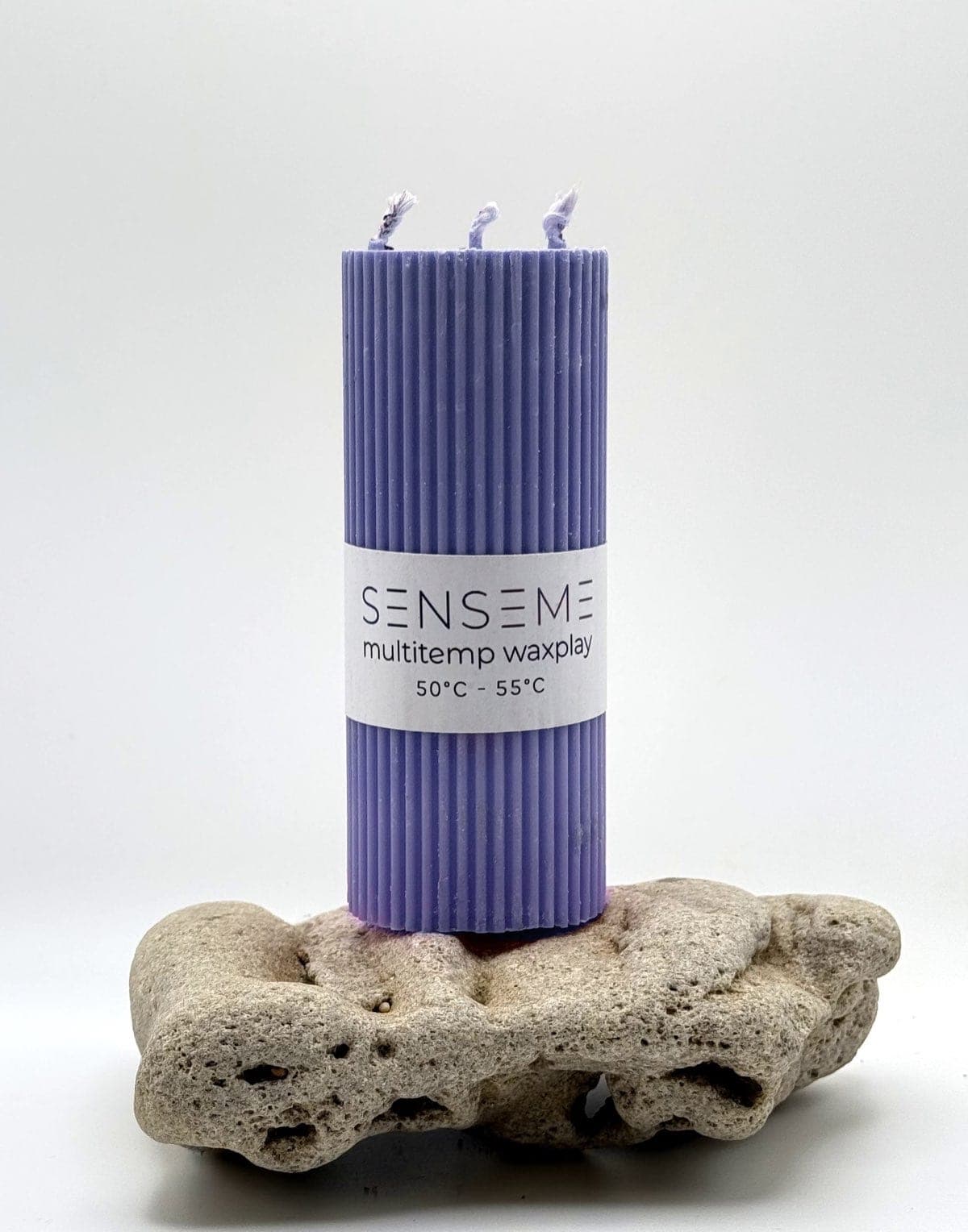
50°C Violet — Cannabis & Cactus
The gentlest candle carries the most unusual scent in the range. Cannabis leaf (not psychoactive — purely aromatic) provides a green, herbal, slightly resinous base note. Cactus adds a clean, dry, desert-air quality that keeps the fragrance from feeling heavy. Together they create an atmosphere that is earthy and grounding without being floral or sweet.
Best for: First-time sessions, nervous energy, solo play, meditative rituals. The scent reads as calm and unfamiliar — which helps the brain treat the experience as something new rather than mapping it onto existing associations. That novelty supports curiosity and presence.
55°C Ocean Green — Forest
A marine-green fragrance that evokes wet moss, salt air, and the underside of fern leaves. It is cooler and more aquatic than the cannabis-cactus of Violet — less earthy, more atmospheric. The scent creates a feeling of open space and fresh air, which can feel surprisingly expansive in an intimate, enclosed setting.
Best for: Couples exploring together, light sensory play, sessions where you want the room to feel alive rather than enclosed. The green notes support alertness within calm — engaged without being tense.
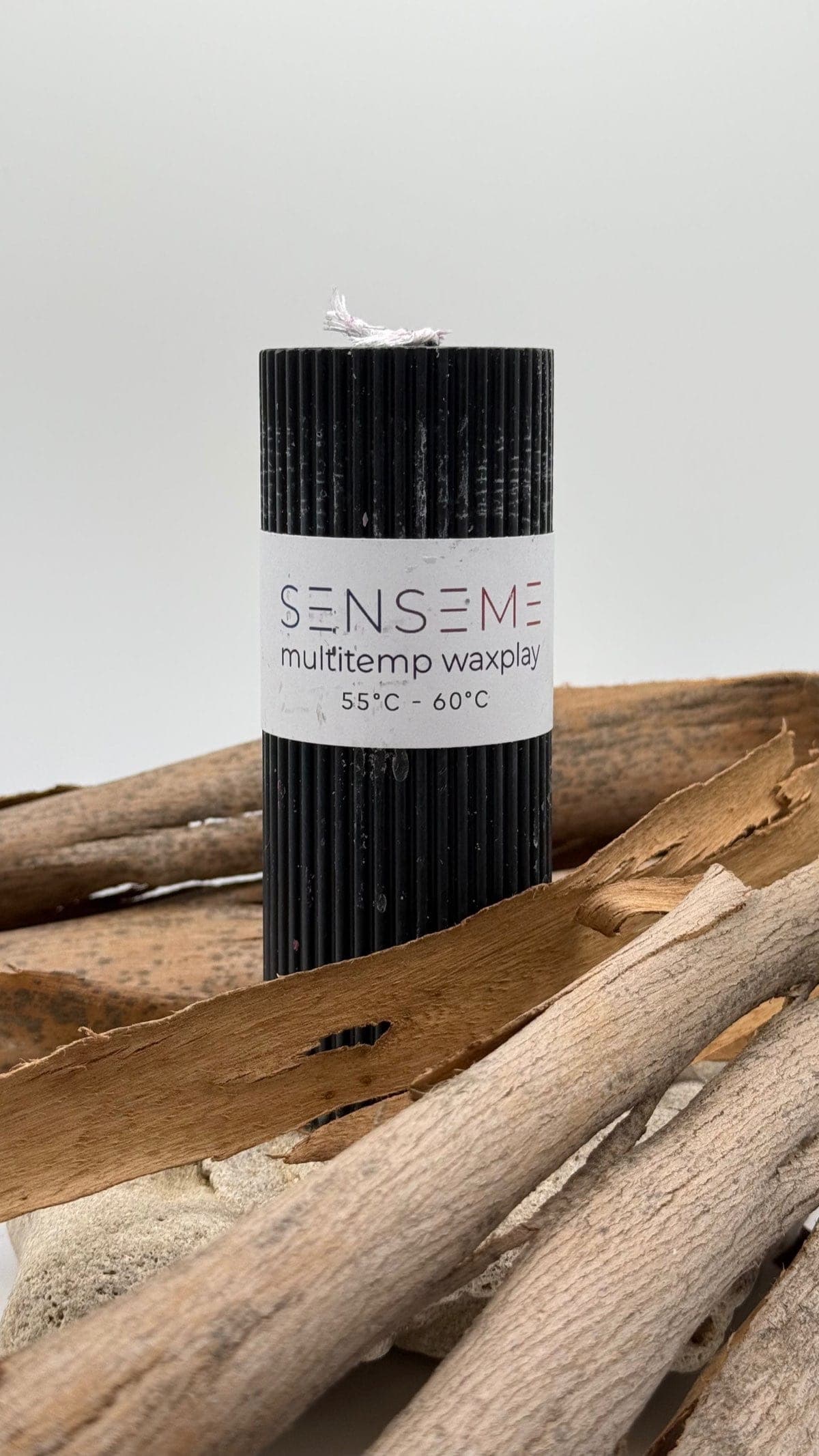
60°C Black — Vetiver
Vetiver is one of the great base notes in perfumery: smoky, woody, with a mineral depth that smells like rain on warm soil. In the Black candle, it arrives uncluttered — no floral overlay, no sweetness. Just root, earth, and wood smoke. It is a distinctly adult fragrance that reads as sophisticated and deliberately understated.
Best for: Focused, intentional sessions. Vetiver's grounding quality pairs naturally with the Ember tier's shift toward controlled intensity. If the Feather tier is about "what does this feel like?", the Ember tier with vetiver is about "I know what I want and I am choosing it deliberately." The scent reinforces that psychological shift.
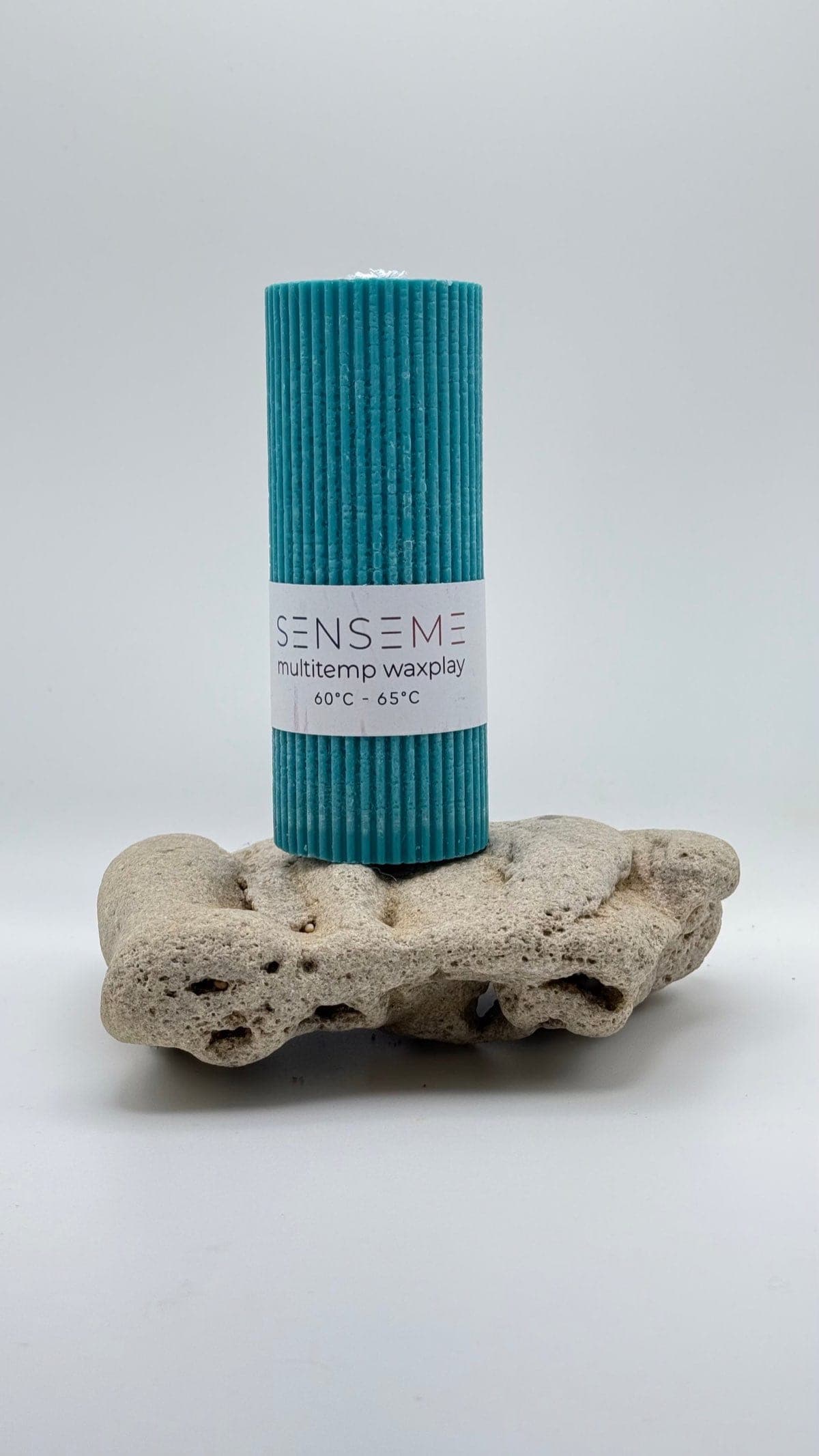
65°C Red — Palo Santo
Palo santo is the wood traditionally burned in South American cleansing rituals — its scent sits somewhere between cedar, incense, and citrus peel, with a sweet-woody core that gets richer as the wax burns longer. In the Red candle, it fills the room gradually and builds in presence without ever becoming overwhelming. The fragrance carries a ceremonial quality that some people describe as sacred.
Best for: Ritualistic sessions, longer scenes, sessions with strong emotional intention. Palo santo signals transition — from ordinary time into something set apart. Couples who think of their wax play as a shared ritual rather than just an activity often gravitate here.
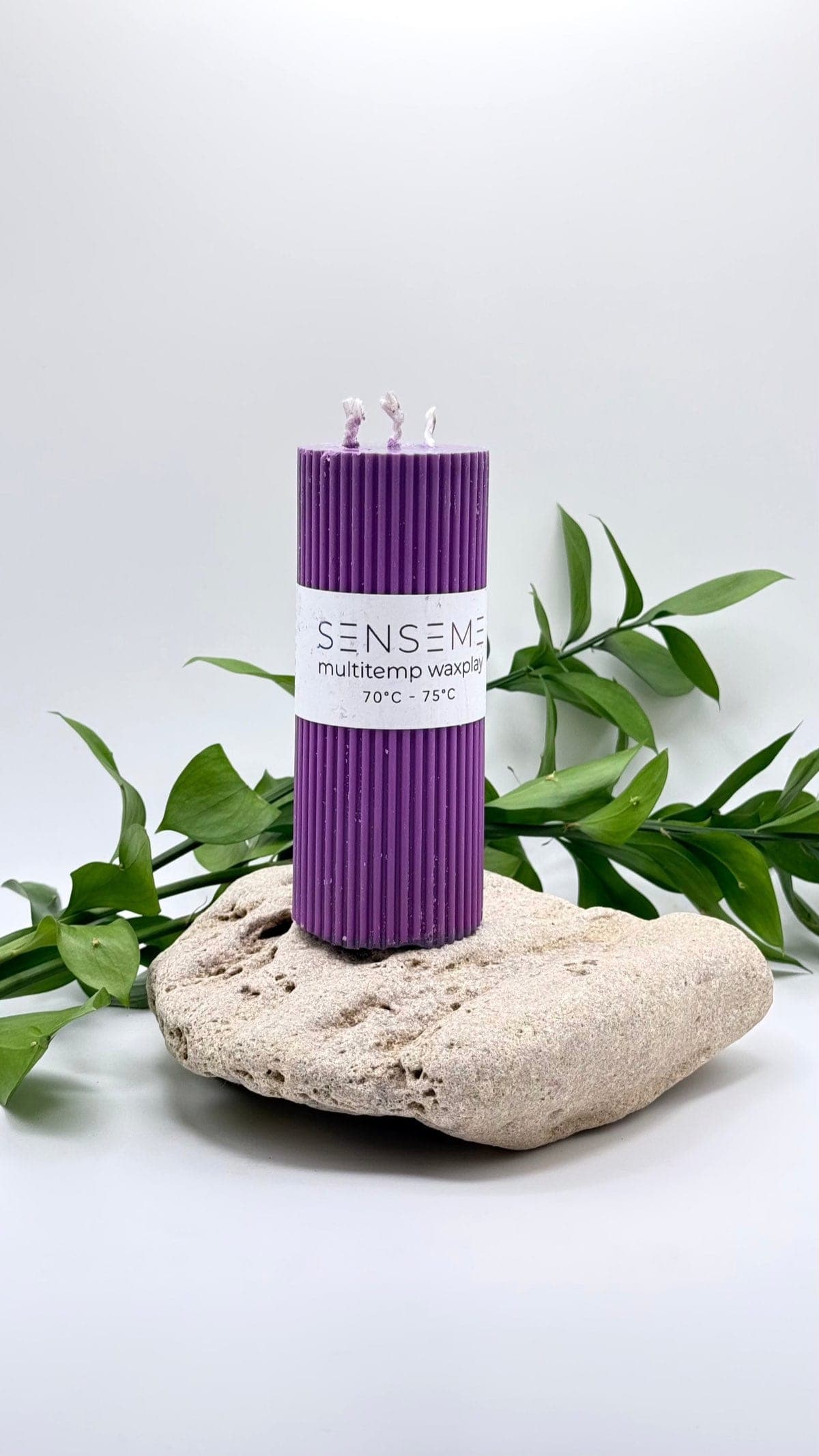
70°C Purple — Vanilla & Tobacco
Vanilla bean arrives first — warm, round, almost edible — then a dry tobacco leaf undertow pulls the sweetness sideways into something denser and more complex. Not a dessert candle. More like the smell of a leather chair in a room where someone was smoking hours ago. The vanilla is the inhale, the tobacco is the exhale. It clings to skin and fabric longer than any other scent in the range.
Best for: Advanced sessions where atmosphere matches intensity. The vanilla-tobacco combination bridges comfort and edge — the same psychological territory the Blaze tier occupies at the temperature level. It is a fragrance for people who want their session to feel both indulgent and serious.
75°C Nude — Musco Blanco (White Musk)
White musk — clean, warm, the way skin smells after a long bath. No flower, no smoke, no sweetness that calls attention to itself. It sits so close to the body's own warmth that after a few minutes you stop noticing it as a scent and start noticing it as a presence. The kind of fragrance that makes a room feel private. It lingers on skin for hours, quiet and impossible to name.
Best for: The most experienced players, and anyone who wants the scent to recede into the background rather than lead. White musk amplifies body awareness without competing with sensation. At 75°C — the most intense temperature in the range — that restraint is deliberate. The scent lets the heat do the talking.
How to Choose a Scent for Your Session
Matching scent to session works best when you think about mood rather than preference. You might love vanilla in daily life but find that the earthy grounding of cannabis-cactus suits a first wax play session better because it signals something different from your usual routine. The question is not "which scent do I like most?" It is "which scent supports the experience I am trying to create?"
A simple framework:
- For calm and curiosity — Cannabis & Cactus (50°C) or Forest (55°C). Green, grounding, exploratory.
- For focus and intention — Vetiver (60°C) or Palo Santo (65°C). Earthy, adult, ceremonial.
- For depth and intensity — Vanilla & Tobacco (70°C) or White Musk (75°C). Complex, lingering, body-close.
Notice how the scent progression mirrors the temperature progression. That is not accidental. Each SenseMe candle was designed so that the fragrance character matches the intensity level of the temperature tier. Gentle scents for gentle heat. Grounding scents for controlled intensity. Complex, body-close scents for advanced heat. The pairing makes the whole experience coherent instead of contradictory.
Building a Ritual Scent: Why Consistency Matters
If you want to use fragrance as a genuine psychological tool — not just decoration — consistency is your strongest lever. Choose one candle for a particular kind of session and use it every time. After three or four repetitions, the scent becomes an anchor. Lighting it is no longer just setup. It is a signal to your nervous system that says: this is the space, this is the mood, this is who we are right now.
Couples who build scent anchors report that the transition from daily life into intimate space becomes faster and more natural over time. The scent does part of the emotional work that used to require deliberate effort. That is the practical payoff of treating fragrance as part of the experience design rather than afterthought.
For people who practice wax play as self-care or solo sensory ritual, a consistent scent anchor can create a reliable pathway into focused presence — similar to how a meditation practitioner might always use the same cushion or the same bell. The stimulus becomes a cue. The cue becomes a shortcut. The shortcut becomes a skill.
If you want to pair scent selection with temperature education, start with our temperature guide to understand the tiers, then return here to match each tier with its fragrance story. Between the two articles, you will have a complete sensory map of what each candle does — on your skin and in your mind.
Six scents. Six temperatures. One range.
Every SenseMe candle is designed as a complete sensory experience — temperature, colour, and fragrance working together. Explore the full collection.
Explore CollectionScent & Intimacy FAQ
What scent is best for romantic candles?
How do you choose a candle scent for wax play?
How does candle scent affect mood?
Are scented candles safe on skin?


Keep exploring
- Guide
Temperature Guide
Intro and ritual section — temperature tiers as companion to scent profiles.
- Article
Buying Guide
Intro — product-level comparisons for buyers.
- Article
Solo Sensory Ritual
Ritual section — scent anchoring for solo practice.
- Guide
About Page
Implicit — ingredient philosophy behind the range.
- Guide
Full Collection
CTA — primary commercial destination.