
Best Wax Play Candles in 2026: A Temperature-Based Buying Guide
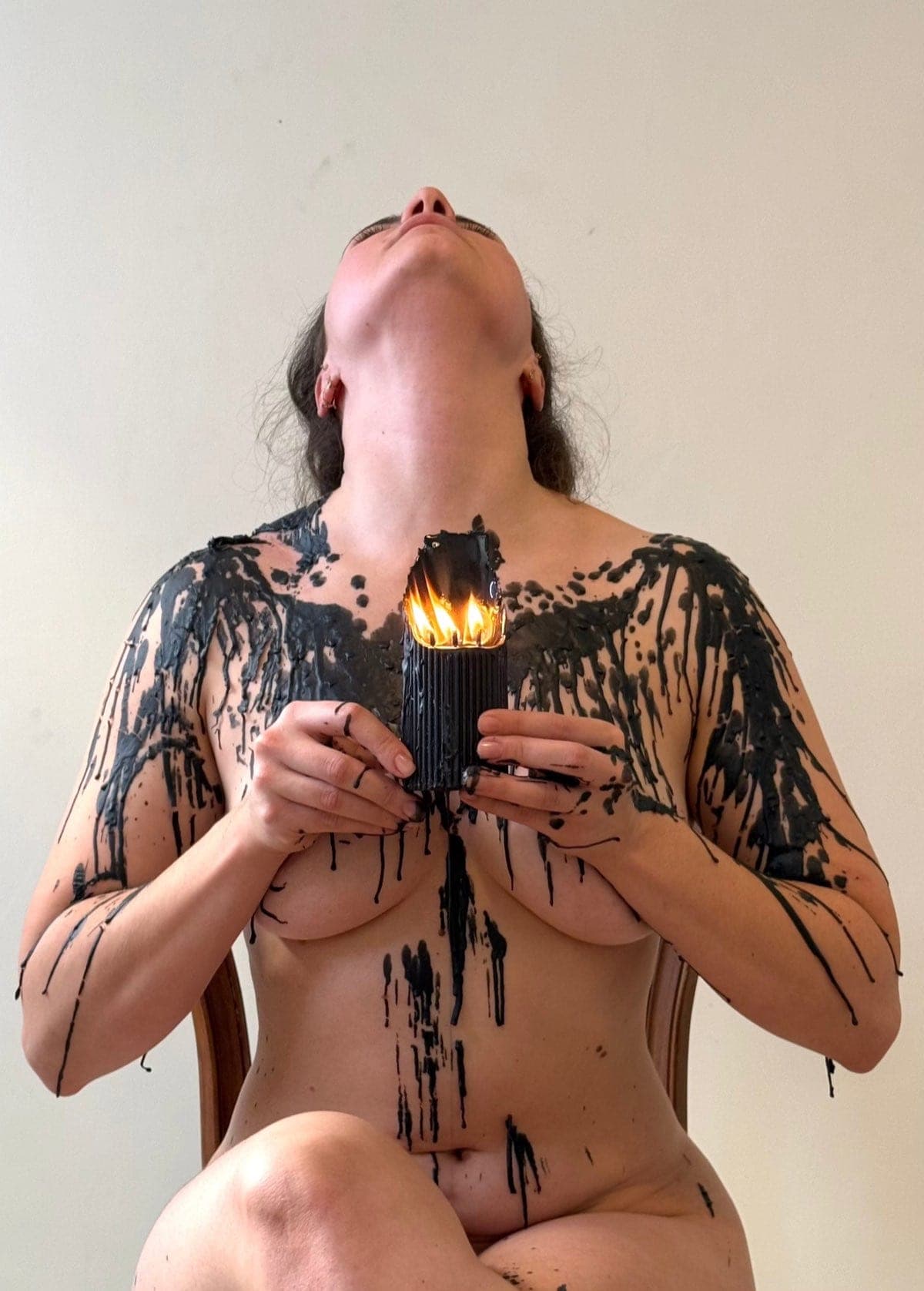
Best wax play candles are not chosen by branding alone. They are chosen by how reliably they behave on skin. That means temperature rating, body-safe wax blend, ingredient discipline, and a format that suits the level of experience in the room. A candle can look luxurious and still be the wrong buying decision if it lands at the wrong intensity or asks for more technique than the buyer actually has.
That is why a temperature-based guide works better than a generic "top products" list. Wax play is not one product category with one perfect winner. It is a progression. A first-time buyer usually needs gentle predictability. An intermediate buyer usually wants a more distinct sting without losing control. An advanced buyer often wants range, contrast, or uncompromising intensity. The best candle changes with that context.
Good buying content should make those decisions easier before someone reaches the product page. It should explain what body-safe really means, how wax type and wick design affect the experience, and why a 50°C candle solves a very different problem than a 75°C one. That is what makes this article useful for both SEO and conversion: it meets the buyer at the moment they are no longer asking "what is wax play?" and are asking "which wax play candle should I actually buy?"
The first shortcut is simple. If you do not yet understand how the temperature ladder works, keep our temperature guide open while reading. The second shortcut is even simpler. Buy for the session you can use well now, not the identity you want to perform later.
That sounds obvious, but it is the difference between a satisfying first purchase and a shelf product that looked exciting in theory.
As a sexologist and the maker behind SenseMe candles, Olga approaches buying advice with one rule above all: trust beats hype. The best candle is the one that creates repeatable pleasure, clear communication, and enough safety margin for the people using it. This guide breaks the range down by temperature so you can compare beginner, intermediate, and advanced options with less noise and more clarity. If you want the broader permanent resource after this article, the full buyer's guide sits alongside it.
What to Look For in a Body-Safe Wax Play Candle
The first buying filter is formulation. Body-safe candles for wax play are designed for skin contact. Regular household candles are not. That difference is not marketing decoration. It is the product category. A proper wax play candle should use a controlled wax blend, cosmetic-grade colorants, cotton wicks, and fragrance choices that are made for close body use rather than only shelf appeal.
The second filter is temperature control. This matters more than almost anything else because temperature determines not only intensity but decision quality. A product that tells you exactly where it sits on the ladder lets you buy with intent. Without that information, you are shopping blind. That is one reason temperature-rated candles convert better than vague "massage candle" language for serious buyers. Buyers want to know whether they are choosing gentle warmth, medium sting, or advanced heat.
The third filter is wick behavior and wax pool shape. A single candle with a smaller pool usually supports precision and shorter pours. A larger pool or three-wick design can create broader coverage, longer lines, and a more dramatic style of scene. Neither is automatically better. They simply create different buying logic. Precision often suits a cautious or learning-focused buyer. Coverage and flow often suit a buyer who already knows what they enjoy.
The fourth filter is scent and ingredient discipline. Scent matters because wax play is always more than temperature alone. It is ritual, atmosphere, and memory. But scent should still support the experience rather than complicate it. If someone has reactive skin, strong scent sensitivities, or is buying for a first session, cleaner and gentler choices usually win. This is where buyers start to appreciate that the best wax play candles are sensory products, not just heat-delivery tools.
The final filter is honesty about progression. Many buyers want one product that does everything. In practice, the best buying decisions respect stage. Low temperatures are best for trust-building. Medium temperatures are best for players who want more definition and more technique. High temperatures are for experienced players who already know their body map and their communication under pressure. That is why buying by temperature is more reliable than buying by aesthetics alone.
If you remember only one rule from this section, make it this: buy for predictability first, intensity second. The candle that performs clearly and consistently will almost always become more valuable over time than the one that only impressed you at checkout.
Best for Beginners (50-55°C)
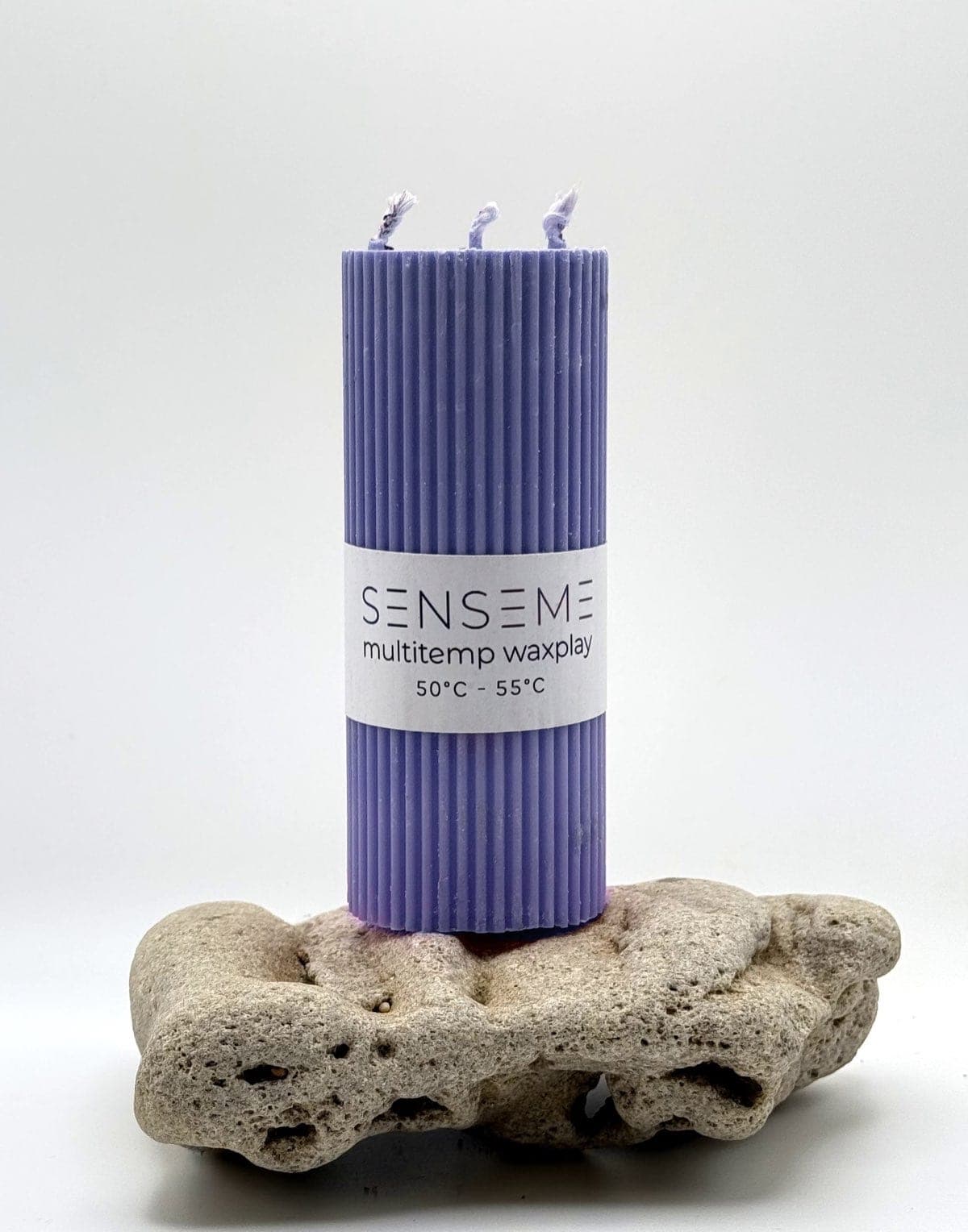
The best beginner wax play candles live in the 50-55°C range because they let new users learn sensation without turning the first session into a stress test. At 50°C, the wax tends to read as warm, approachable, and easy to repeat. At 55°C, the heat becomes more present and more informative, but still stays within a beginner-friendly part of the ladder. Together, these two temperatures do the most important thing a first purchase can do: they create confidence.
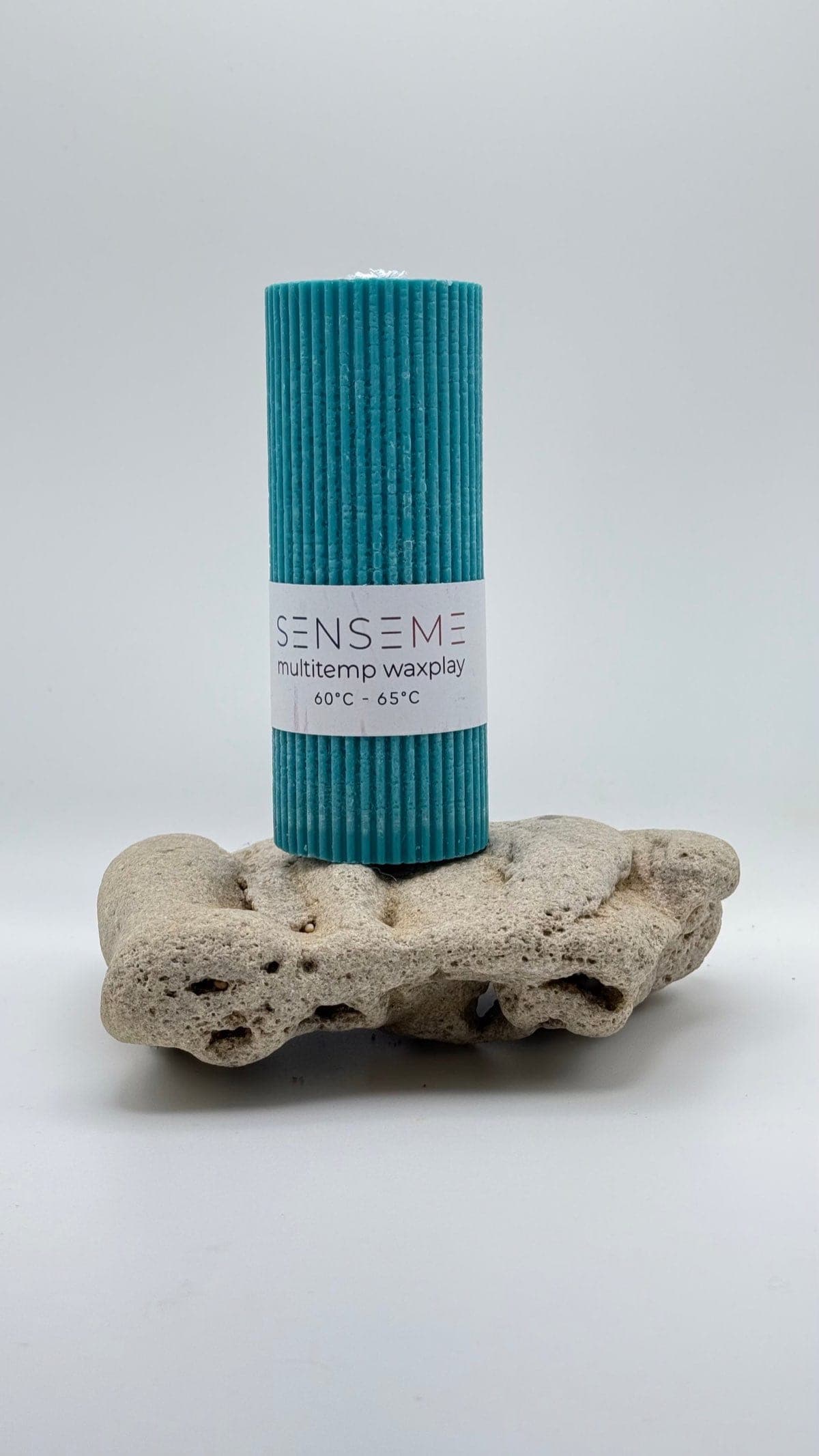
50°C Violet is the cleanest recommendation for true first-timers, cautious buyers, or anyone prioritizing gentleness and recovery. It is the candle that answers the question, "What if I want the safest-feeling place to start?" 55°C Ocean is usually the better choice for buyers who already know they enjoy light sensation play and want a little more presence from the first pour. Neither choice is "better" in the abstract. The right one depends on whether the buyer wants reassurance or a slightly stronger read on temperature.
Commercially, this is where many returns are prevented before they happen. A buyer who should have purchased 50°C but jumps to something hotter often blames themselves or the category. A buyer who starts at the correct low temperature is far more likely to enjoy the experience, trust the brand, and come back for the next step later. That is why the beginner tier is not only good pedagogy. It is good conversion design too.
If you want the full breakdown of how these two candles differ on skin, our low temp deep dive is the right companion piece. The short version is that 50°C is ideal for softness and repeatability, while 55°C gives you the first meaningful step toward a more noticeable, more playful sting. For many shoppers, that makes the comparison itself more useful than a single recommendation.
Beginner buyers who are shopping for two people rather than one often find that low temperatures are also the easiest way to protect the mood of the scene. They reduce pressure, keep communication open, and make it far easier to stop early and still feel successful. In practical buying terms, that is often what separates a good first purchase from an overly ambitious one.
Best for Intermediate Players (60-65°C)
Intermediate buyers are usually not asking whether wax play is for them. They are asking how to upgrade the feeling without losing control. That is exactly where 60°C and 65°C start to matter. The Ember tier is where wax begins to arrive with a clearer sting, cleaner contrast, and a stronger reward for good technique. It is often the most commercially important temperature band because it solves the "I want more, but not recklessly more" problem.
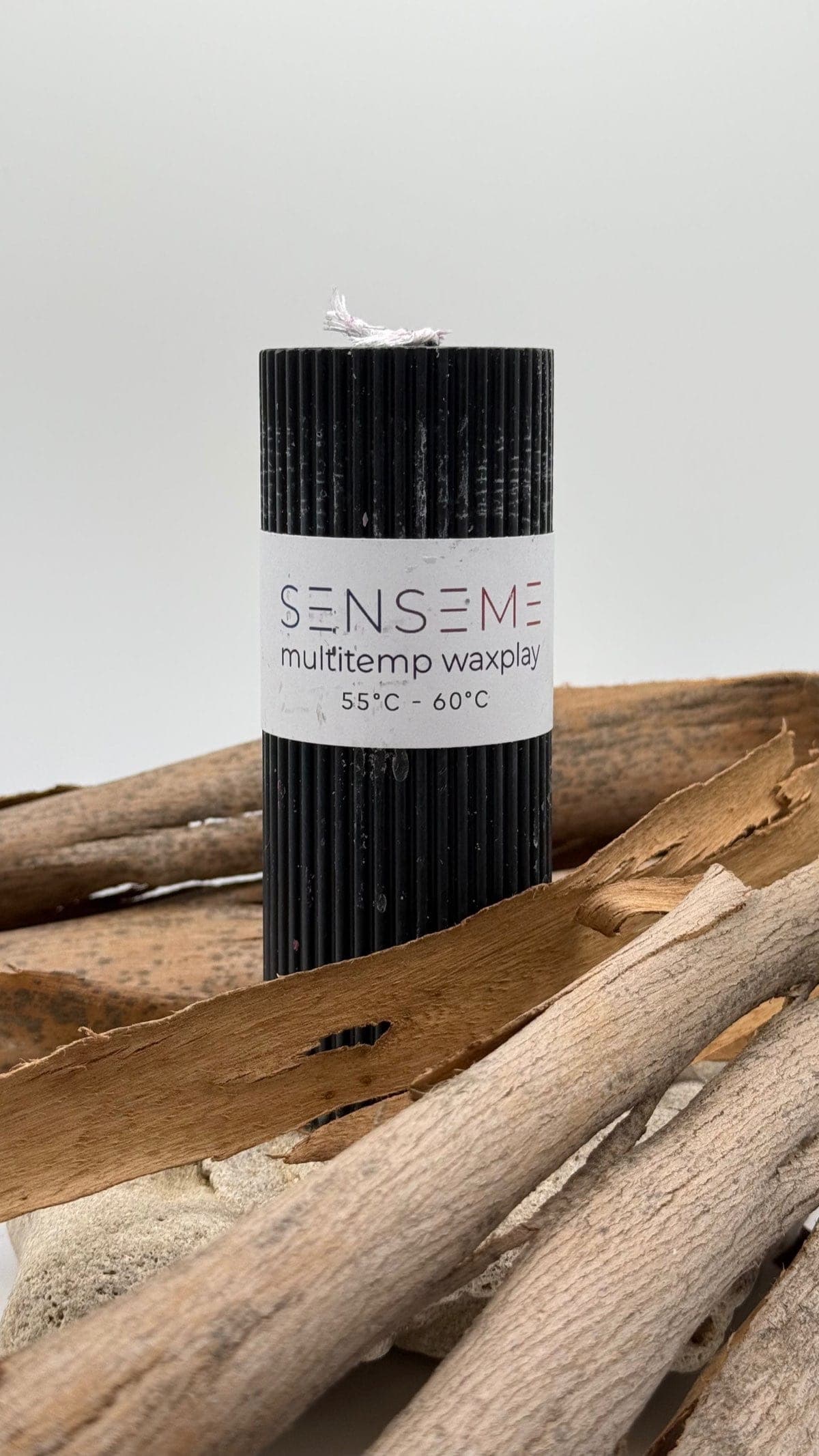
60°C Black is the best intermediate candle for buyers who want controlled intensity. It gives a more distinct edge than the beginner tier while still leaving enough room for deliberate height, pacing, and body-area decisions. Buyers who like precision usually land here first. 65°C Red suits a different intermediate shopper: someone who wants broader coverage, more visual drama, and a more ceremonial style of session. In other words, 60°C is often the better educational step, while 65°C is often the better dramatic step.
This distinction matters because intermediate shoppers are often the first buyers who genuinely compare products instead of simply choosing the safest one. They want to understand tradeoffs. Is the extra heat worth the lower margin? Does a more theatrical pour fit the session style they actually enjoy? Are they buying for repeat practice or for a stronger occasional scene? Good buying content has to answer those questions honestly, because this tier is less about permission and more about fit.
If you want more depth on that fit question, our medium temp deep dive explains why many experienced players settle here for the long term. Medium temperatures often outperform hotter ones for repeat buyers because they combine clarity, atmosphere, and enough challenge to stay interesting. That makes them some of the best wax play candles for people who care about both sensation and craft.
For shoppers sitting in the middle of the funnel, this is also the range where a carefully chosen set can begin to make more sense than another single candle. Not because the buyer needs more products, but because contrast becomes part of the experience. That logic matters again in the set section below.
Best for Advanced Players (70-75°C)
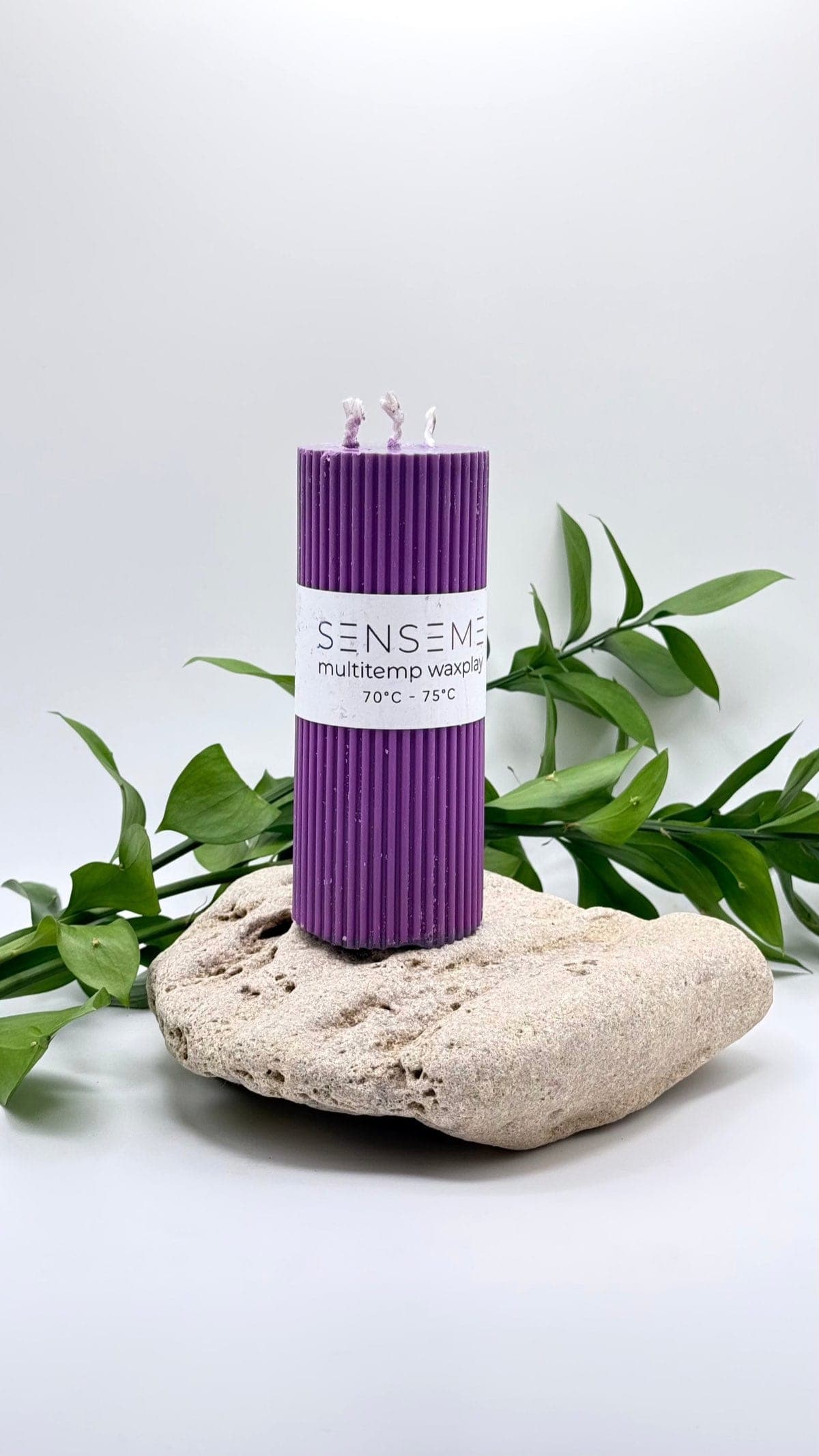
At the advanced end of the range, the best candle is rarely the one with the biggest number alone. It is the one that matches how the buyer actually uses high heat. 70°C Purple is often the smartest advanced recommendation because it delivers immediate authority while still leaving room for technique and scene design. 75°C Nude is the right choice for buyers who already know they want maximum intensity and understand the smaller margin that comes with it.
This is where honesty becomes a conversion tool in its own right. Advanced buyers usually do not need exaggerated promises. They need someone to tell them whether a product gives range or only ceiling, whether it suits contrast play or sustained intensity, and whether it makes sense for their current level rather than their ego. That is why 70°C often converts well with experienced buyers who initially assume they want 75°C. It is not weaker in a disappointing way. It is more usable in a repeatable one.
75°C has its place, but it should be bought for a reason. The right buyer wants the uncompromising edge, has prior success with medium and high temperatures, and can name what this candle adds to the session beyond status. The wrong buyer wants the top number because it feels like progress. That is not a product problem. It is a buying problem. Good advanced content should protect readers from making it.
Our high temp deep dive goes much deeper into prerequisites, margins, and mixing strategies. In buyer terms, the short version is simple: 70°C is often the most versatile advanced single, and 75°C is the most specialized one. Both are excellent when chosen intentionally. Neither is a shortcut.
That distinction is part of what makes high-temperature candles some of the best wax play candles for advanced players and some of the worst for beginners. The product quality can be exceptional and still be wrong for the person buying it. In a serious category, fit matters as much as craftsmanship.
Best Sets for Every Level
Single candles are excellent when the buying question is precise. Sets become better when the buying question is broader. If a shopper wants to compare two temperatures, buy for a couple, build longer sessions, or create contrast inside one scene, a set often solves the decision better than another individual candle. This is where the catalog starts behaving less like a list of products and more like a menu of use cases.
For beginners, Duo Holy Intimacy is often the most rational set purchase because it turns uncertainty into comparison. Instead of asking whether 50°C or 55°C might feel better, the buyer gets both and learns through actual use. For more experienced shoppers, temperature contrast becomes the point. A medium-to-high pairing lets the buyer move between control and intensity rather than choosing only one tone for the whole session.
At the advanced end, Trio Inferno makes sense because it creates a real ladder inside one box. That is useful for players who already know they are designing sessions around range and progression, not only around a favorite single temperature. In other words, sets win whenever variety itself creates value. That is why they often outperform single candles for couples, returning buyers, and gift shoppers who want flexibility rather than one exact answer.
There is also a bottom-funnel buying question hiding inside this section: are you deciding between bundles and individual candles? If that is the question you are actually trying to answer, our sets vs singles guide goes directly into the tradeoffs. This article is broader. That one is built specifically for decision-stage buyers.
The practical takeaway is simple. Buy singles when you know exactly which temperature you want. Buy sets when you want comparison, contrast, or room to grow without having to place the next order immediately. For many buyers, that one distinction cleans up the entire decision.
Size Guide: S, M, L, XL
Size is one of the most underrated conversion levers in wax play buying because it changes value perception immediately. In the current range, single candles scale from 120g in size S to 350g in size XL, with prices stepping from €20 to €50. That makes size S ideal for testing a temperature, scent, or new category without overcommitting. It makes M and L the strongest choices for repeat use. XL starts making the most sense for frequent players who already know the candle will earn its place.
Duo sets follow the same logic at a higher starting point. You are paying for variety as well as volume, so the question becomes whether the extra comparison value matters to you. Trio sets push that logic further again. They are not only more wax. They are more range, more session architecture, and often better value per scenario if you already know you enjoy multi-temperature play.
The easiest way to choose is to be honest about whether you are buying for trial, routine, or ritual. Trial buyers should optimize for lower commitment. Routine buyers should optimize for the size they will realistically reuse. Ritual buyers, especially set buyers, should optimize for range and longevity. That is why the best size is not universal. It depends on how often the candle will be lit and how many decisions you want one purchase to solve.
Gift buyers should usually resist going too small unless the present is deliberately symbolic. S can feel elegant and low-risk, but M often feels more complete as an actual gift. L and XL work best when the buyer already knows the recipient loves wax play or when the purchase is meant to support longer-term exploration rather than just an introduction.
If you want the shortest route from research to purchase, our full collection lets you compare sizes and temperatures together, while sets & bundles is the fastest path if variety is part of the goal. The right size is rarely the largest one. It is the one that matches how the candle will actually be used.
Customer Reviews
Reviews for product: duo-holy-intimacy-set
Shop all candles
Choose by temperature first, then by format. The right candle should feel predictable, body-safe, and well matched to the session you actually want.
Explore Collection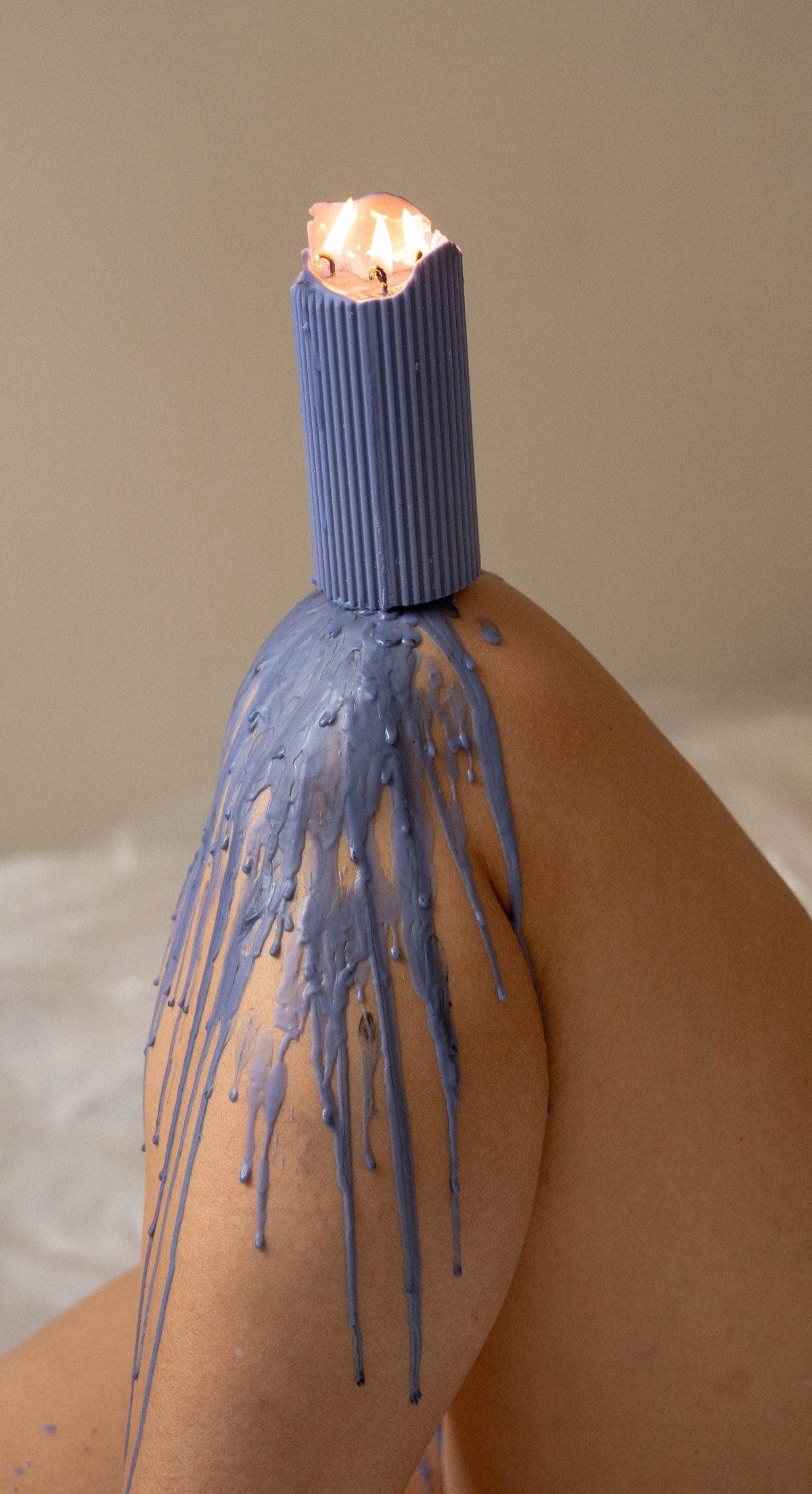
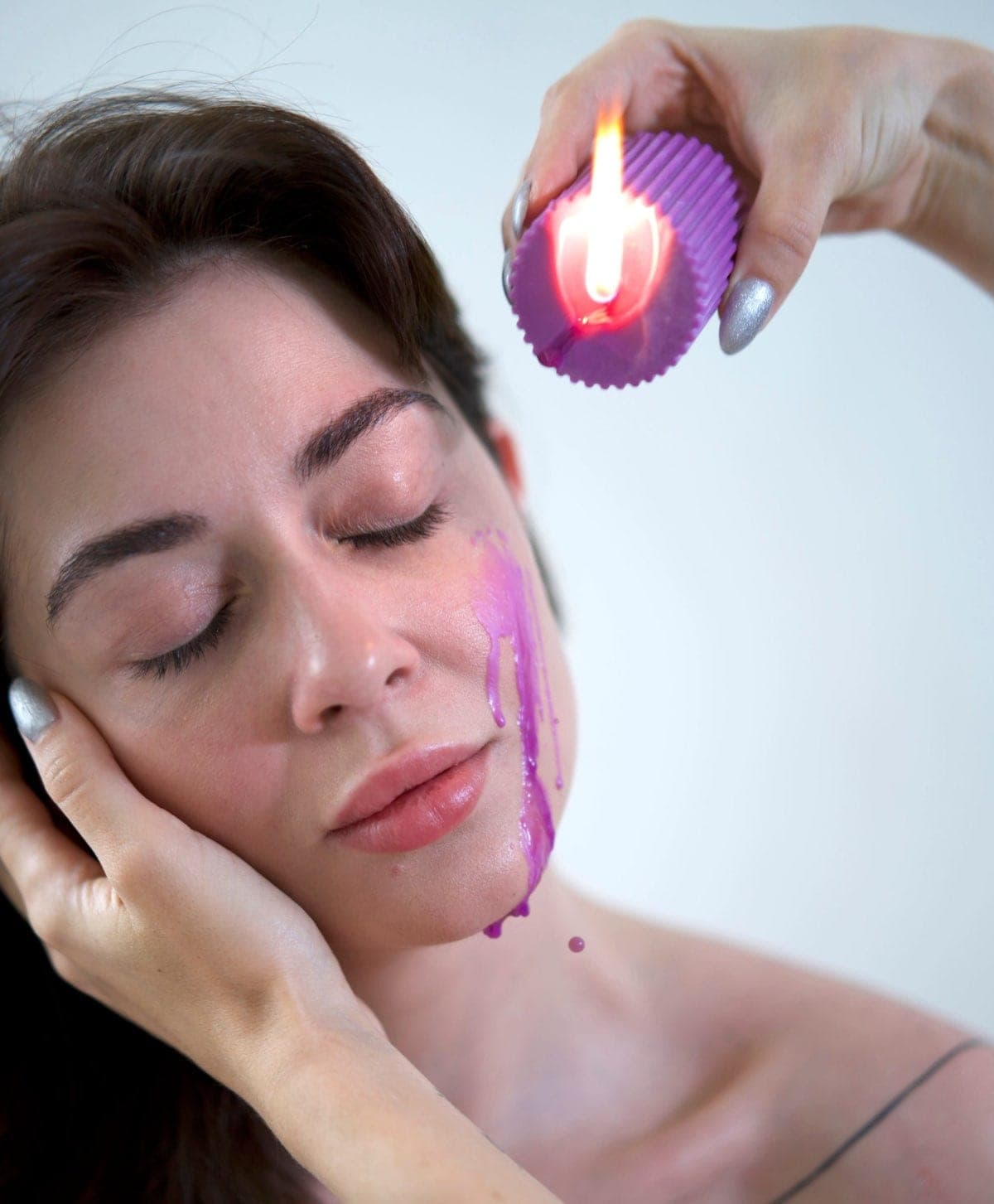
Keep exploring
- Guide
Temperature Guide
Intro - cornerstone explanation of the full temperature ladder.
- Guide
Full Buyer'S Guide
Intro - evergreen complementary buyer resource.
- Article
Low Temp Deep Dive
Beginner section - detailed comparison of 50°C and 55°C.
- Article
Medium Temp Deep Dive
Intermediate section - decision support for 60°C vs 65°C buyers.
- Article
High Temp Deep Dive
Advanced section - prerequisites and buying fit for Blaze tier.